Table of Contents

Hospital MRI Machine Buying Guide: Types, Features, Cost Factors, Installation Requirements, and Healthcare Technology Insights

Hospital MRI Machine Buying Guide: Types, Features, Cost Factors, Installation Requirements, and Healthcare Technology Insights

Magnetic Resonance Imaging (MRI) systems are among the most advanced diagnostic imaging technologies used in modern healthcare. Hospitals, diagnostic centers, research institutions, and specialized medical facilities rely on MRI technology to generate detailed images of internal body structures without the use of ionizing radiation.

MRI systems have evolved significantly over the years through advancements in magnet technology, software processing, artificial intelligence, workflow automation, and image quality enhancement. As healthcare facilities evaluate imaging infrastructure, understanding MRI technology, installation requirements, operational considerations, and cost factors becomes increasingly important.

This guide provides an educational overview of MRI machine categories, technical features, installation considerations, and healthcare technology developments. It does not provide medical, purchasing, financial, engineering, regulatory, or professional healthcare advice.

What Is an MRI Machine?

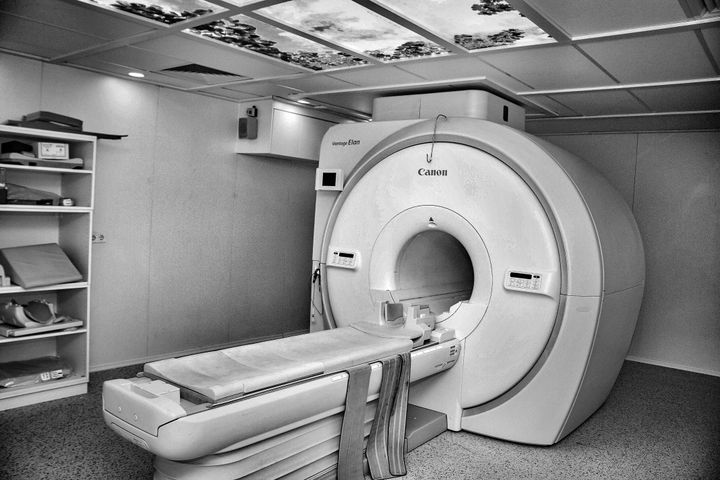
An MRI machine is a diagnostic imaging system that uses powerful magnetic fields, radiofrequency energy, and advanced computer processing to create detailed images of organs, tissues, bones, and other internal structures.

MRI technology is commonly utilized for imaging:

  • Brain structures
  • Spine and nervous system
  • Musculoskeletal anatomy
  • Cardiovascular systems
  • Soft tissues
  • Internal organs

The specific imaging applications depend on clinical requirements and healthcare protocols.

How MRI Technology Works

MRI systems operate through a combination of sophisticated technologies.

Core components include:

  • Superconducting magnets
  • Radiofrequency coils
  • Gradient systems
  • Image-processing software
  • Computerized control systems

These components work together to generate detailed anatomical images that healthcare professionals may use for diagnostic and clinical purposes.

Types of MRI Machines

MRI systems are available in several configurations.

Closed MRI Systems

Closed MRI machines are the most commonly used systems in hospitals.

Characteristics may include:

  • Cylindrical scanning design
  • High magnetic field strength options
  • Advanced imaging capabilities
  • Broad clinical applications

Open MRI Systems

Open MRI systems are designed with more open structures.

Potential characteristics include:

  • Increased patient accessibility
  • Alternative scanner configurations
  • Specialized imaging environments

Wide-Bore MRI Systems

Wide-bore systems provide larger scanning openings while maintaining advanced imaging capabilities.

These systems may help accommodate diverse patient needs and clinical workflows.

Understanding Magnetic Field Strength

MRI systems are often categorized by magnetic field strength.

Common categories include:

  • Low-field MRI
  • Mid-field MRI
  • High-field MRI
  • Ultra-high-field MRI

Field strength can influence image quality, scan capabilities, workflow considerations, and clinical applications.

MRI Coils and Imaging Components

MRI coils are important elements within imaging systems.

Various coil designs may support imaging of:

  • Head structures
  • Spine regions
  • Extremities
  • Cardiovascular anatomy
  • Whole-body examinations

Coil selection often depends on clinical objectives and imaging protocols.

Artificial Intelligence in MRI

Artificial intelligence is increasingly integrated into diagnostic imaging technologies.

Potential applications may include:

  • Image reconstruction
  • Workflow optimization
  • Scan planning support
  • Quality enhancement
  • Operational analytics

AI technologies continue contributing to efficiency and imaging innovation across healthcare environments.

Advanced Image Processing

Modern MRI systems utilize sophisticated software platforms.

Potential functions include:

  • Image enhancement
  • Noise reduction
  • Reconstruction algorithms
  • Visualization tools
  • Data management

Software capabilities continue evolving alongside hardware improvements.

Patient Comfort Features

Healthcare facilities increasingly consider patient experience during equipment selection.

Comfort-related features may include:

  • Wider bore designs
  • Noise-reduction technologies
  • Improved lighting systems
  • Patient communication tools
  • Ergonomic positioning aids

Comfort considerations can influence workflow and patient satisfaction.

Workflow Automation Technologies

Automation plays an increasingly important role in medical imaging environments.

Examples may include:

  • Automated scan setup
  • Protocol management
  • Workflow coordination
  • Image processing automation
  • Scheduling integration

Automation technologies aim to improve operational efficiency.

Installation Requirements

MRI installation is a complex process involving multiple technical considerations.

Common requirements may include:

Facility Planning

Healthcare facilities often evaluate:

  • Available space
  • Structural considerations
  • Workflow design
  • Accessibility requirements

Shielding Systems

MRI environments generally require specialized shielding solutions.

Examples may include:

  • Magnetic shielding
  • Radiofrequency shielding
  • Environmental protection systems

Infrastructure Support

Installation projects may involve:

  • Electrical systems
  • Cooling systems
  • Network connectivity
  • Equipment room planning

Specific requirements vary by system design and facility conditions.

Safety Considerations

MRI environments require strict operational and safety protocols.

Areas commonly addressed include:

  • Magnetic field management
  • Access controls
  • Equipment compatibility
  • Staff training
  • Environmental monitoring

Healthcare facilities typically establish procedures based on applicable standards and regulations.

Factors Influencing MRI System Costs

MRI equipment pricing varies significantly depending on technical specifications and operational requirements.

Factors may include:

System Configuration

Different machine categories may have varying engineering requirements and capabilities.

Magnetic Field Strength

Field strength is often one factor influencing system complexity and associated costs.

Software Capabilities

Advanced imaging software, automation tools, and AI technologies may affect overall system pricing.

Installation Complexity

Site preparation and infrastructure requirements can influence project costs.

Service and Support Programs

Long-term maintenance and operational support may also contribute to total ownership considerations.

Because specifications differ substantially, costs can vary widely across healthcare environments.

Maintenance and Lifecycle Management

MRI systems typically require ongoing maintenance and operational support.

Examples may include:

  • Preventive maintenance
  • Performance evaluations
  • Software updates
  • Component inspections
  • Operational monitoring

Maintenance strategies vary according to facility requirements and manufacturer recommendations.

Data Management and Connectivity

Modern imaging environments increasingly rely on digital healthcare systems.

Examples may include:

  • Image archiving platforms
  • Healthcare information systems
  • Digital workflows
  • Network integration
  • Data security measures

Connectivity plays an important role in modern diagnostic operations.

Sustainability and Energy Efficiency

Healthcare facilities are paying greater attention to sustainability initiatives.

Areas of focus may include:

  • Energy-efficient system design
  • Resource optimization
  • Equipment lifecycle management
  • Environmental impact reduction

Manufacturers continue exploring innovations that support operational efficiency.

Healthcare Technology Trends in 2026

Several developments continue influencing MRI technology and diagnostic imaging.

Current trends include:

  • AI-assisted imaging workflows
  • Advanced image reconstruction
  • Faster scan technologies
  • Enhanced patient comfort systems
  • Digital healthcare integration
  • Predictive maintenance analytics
  • Workflow automation platforms
  • Smart imaging ecosystems

These trends reflect broader advancements occurring throughout healthcare technology sectors.

Frequently Asked Questions

What is an MRI machine?

An MRI machine is a diagnostic imaging system that uses magnetic fields and radiofrequency technology to generate detailed internal body images.

What are the main types of MRI systems?

Common categories include closed MRI systems, open MRI systems, and wide-bore MRI systems.

Why is magnetic field strength important?

Field strength can influence imaging capabilities, scan performance, and clinical applications.

What factors affect MRI system costs?

Factors may include system type, field strength, software capabilities, installation requirements, and support services.

How is artificial intelligence used in MRI?

AI may support image reconstruction, workflow optimization, scan planning, and operational efficiency.

Conclusion

MRI technology remains one of the most sophisticated diagnostic imaging solutions in modern healthcare. Through advancements in magnetic systems, artificial intelligence, workflow automation, digital integration, and patient-focused design, contemporary MRI platforms continue supporting healthcare innovation and diagnostic capabilities.

As healthcare technology evolves, MRI systems are expected to become increasingly intelligent, efficient, connected, and integrated within broader digital healthcare ecosystems.

Disclaimer

This article is intended solely for informational and educational purposes. It does not provide medical, clinical, engineering, purchasing, legal, financial, regulatory, operational, safety, or healthcare consulting advice. It does not endorse, recommend, compare, rank, review, market, or promote any MRI manufacturer, healthcare provider, imaging system, technology vendor, or service provider. Equipment specifications, installation requirements, costs, regulations, and clinical applications vary by jurisdiction, facility, and use case. Readers should consult qualified healthcare, engineering, regulatory, and procurement professionals before making related decisions.

author-image

Ravi Shankar Maurya

We create purposeful content that speaks, resonates, and drives action.

June 23, 2026 . 10 min read