Air Purifier and Dehumidifier Explained: Learn Filtration Methods, Moisture Reduction Advice, Maintenance Knowledge, and Indoor Air Quality Details
Air purifiers and dehumidifiers are indoor environmental technologies designed to improve air conditions within residential, commercial, and industrial spaces. While both devices contribute to healthier indoor environments, they perform different functions.
Understanding Air Purifiers and Dehumidifiers
An air purifier focuses on removing airborne particles and contaminants such as dust, pollen, smoke, pet dander, and certain microorganisms. A dehumidifier, on the other hand, reduces excess moisture in the air, helping maintain balanced humidity levels.
These technologies exist because indoor air can contain pollutants and humidity fluctuations that affect comfort, building conditions, and overall indoor environmental quality. As modern buildings become more energy efficient and tightly sealed, indoor air quality solutions have become increasingly important.
Many households use an air purifier for home environments to reduce airborne particles, while a dehumidifier for basement spaces is commonly used to control moisture accumulation. Larger facilities may rely on commercial air purifier systems, industrial dehumidifier equipment, and HVAC air purification system technologies as part of broader air quality management solutions.
Why Indoor Air Quality Matters Today
Indoor air quality has become an important topic due to changing lifestyles, urban development, and increased awareness of environmental health factors. Many people spend a significant portion of their time indoors, making indoor air conditions a critical consideration.
Poor indoor air quality can result from multiple factors, including:
- Dust accumulation
- Pollen infiltration
- Indoor smoke particles
- Pet-related allergens
- Excess humidity
- Mold growth
- Volatile organic compounds (VOCs)
- Poor ventilation
Humidity control systems and filtration technologies help address these challenges by improving environmental stability and reducing the presence of airborne contaminants.
The importance of these technologies extends to:
- Homeowners
- Apartment residents
- Property managers
- Schools
- Healthcare facilities
- Office buildings
- Manufacturing environments
The table below summarizes common indoor air concerns and associated solutions.
| Indoor Air Challenge | Common Solution |
|---|---|
| Dust and Allergens | HEPA air purifier |
| Excess Humidity | Dehumidifier |
| Mold-Prone Areas | Humidity control systems |
| Large Building Air Quality | HVAC air purification system |
| Industrial Air Conditions | Industrial dehumidifier |
| Continuous Monitoring Needs | Smart home air purifier |
Types of Air Purifiers and Dehumidifiers
Different technologies are designed to address specific environmental conditions and building requirements.
HEPA Air Purifiers
A HEPA air purifier uses High-Efficiency Particulate Air filtration technology to capture very small airborne particles. These systems are commonly used in homes, healthcare settings, and office environments.
Activated Carbon Air Purifiers
Activated carbon filtration focuses on reducing odors, gases, and certain airborne chemical compounds.
UV-Based Air Purifiers
These systems use ultraviolet light technology as part of the purification process. They are often combined with traditional filtration methods.
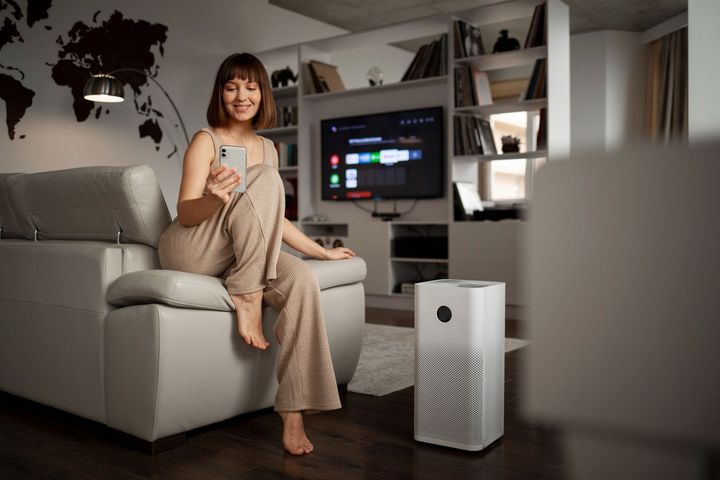
Smart Home Air Purifiers
A smart home air purifier integrates sensors, connectivity features, and mobile applications that allow users to monitor indoor air conditions and receive maintenance notifications.
Portable Residential Dehumidifiers
These units are commonly used in bedrooms, living spaces, and storage areas where moisture control is needed.
Dehumidifier for Basement Applications
Basements often experience elevated humidity due to limited airflow and underground construction. Specialized units help maintain appropriate moisture levels in these environments.
Commercial Air Purifier Systems
Commercial air purifier technologies are designed for larger indoor environments such as offices, schools, retail buildings, and healthcare facilities.
Industrial Dehumidifier Equipment
Industrial dehumidifier systems support manufacturing facilities, warehouses, laboratories, and processing environments where humidity management is essential.
HVAC Air Purification Systems
An HVAC air purification system integrates filtration and air treatment technologies directly into a building's heating, ventilation, and air conditioning network.
Benefits and Applications
Air purification and humidity management technologies provide several practical advantages across different environments.
Improved Indoor Air Quality
Filtration systems help reduce airborne particles, contributing to cleaner indoor environments.
Better Humidity Balance
Humidity control systems help maintain moisture levels within recommended ranges, reducing excessive dampness.
Reduced Mold Risk
Lower humidity levels can limit conditions that encourage mold growth.
Enhanced Building Preservation
Controlling moisture may help protect building materials, furniture, and stored items from prolonged exposure to humidity.
Support for Air Quality Management Solutions
Organizations often use air quality management solutions as part of broader environmental monitoring and facility management strategies.
The following chart illustrates estimated areas where indoor environmental technologies contribute to overall building management.
| Area of Impact | Relative Contribution (%) |
| Air Filtration | 35 |
| Humidity Control | 25 |
| Environmental Monitoring | 15 |
| Building Protection | 15 |
| Energy Optimization Support | 10 |
Common applications include:
- Residential homes
- Apartment complexes
- Educational institutions
- Hospitals and clinics
- Data centers
- Warehouses
- Manufacturing facilities
- Hospitality properties
Top 5 Leading Provider Company Names
Several organizations are widely recognized for their contributions to air purification, filtration technologies, humidity control systems, and indoor environmental management.
- Daikin Industries
- Honeywell
- Carrier Global Corporation
- Trane Technologies
- LG Electronics
These companies participate in the development of residential, commercial, and industrial technologies related to air quality improvement and environmental control.
Recent Updates and Industry Trends
The indoor air quality sector has experienced notable developments during the past year.
Expansion of Smart Monitoring Features (2025–2026)
Manufacturers have continued integrating advanced sensors into smart home air purifier systems. These sensors provide real-time measurements of particulate matter, humidity, and air quality indicators.
Greater Focus on Indoor Environmental Health
Throughout 2025 and early 2026, building operators increasingly emphasized indoor air quality assessments as part of facility management practices.
Growth of Integrated HVAC Solutions
HVAC air purification system technologies have become more common in commercial buildings as organizations seek centralized environmental management approaches.
Improved Energy Efficiency Standards
Recent product developments have focused on reducing energy consumption while maintaining filtration and dehumidification performance.
Advanced Humidity Control Technologies
Humidity control systems now increasingly include automated adjustment capabilities that respond dynamically to changing indoor conditions.
Laws and Policies Affecting Air Quality Technologies
Air purifiers and dehumidifiers are influenced by various regulations, standards, and public programs.
Indoor Air Quality Guidelines
Many countries publish indoor air quality recommendations through environmental and public health agencies. These guidelines help establish recommended environmental conditions.
Energy Efficiency Regulations
Governments often establish efficiency standards for electrical appliances, including environmental control equipment.
Building Codes
Building codes may contain ventilation requirements, moisture management provisions, and air quality considerations for residential and commercial structures.
Environmental Protection Policies
Environmental agencies frequently support initiatives aimed at reducing indoor pollutant exposure and improving air quality awareness.
Green Building Programs
Sustainable building certification programs often encourage the use of technologies that support healthier indoor environments and improved energy performance.
Because regulations vary by country and region, users should consult applicable local requirements when evaluating environmental management systems.
Helpful Tools and Resources
A variety of tools can assist individuals and organizations in monitoring and improving indoor environments.
Mobile Applications
- Indoor air quality monitoring apps
- Humidity tracking applications
- Smart home integration platforms
- Environmental reporting tools
Air Quality Monitoring Devices
- PM2.5 monitors
- Carbon dioxide sensors
- Temperature sensors
- Humidity monitors
Online Resources
- Environmental agency websites
- Indoor air quality education portals
- Building performance resources
- Ventilation guidance documents
Planning and Assessment Resources
- Indoor air quality checklists
- Maintenance tracking templates
- Environmental inspection forms
- Humidity management worksheets
The table below summarizes commonly used resources.
| Resource | Purpose |
| Air Quality Monitor | Track indoor pollutants |
| Humidity Sensor | Measure moisture levels |
| Smart Home Dashboard | Monitor environmental data |
| Maintenance Log | Record filter changes and inspections |
| Indoor Air Checklist | Evaluate environmental conditions |
Frequently Asked Questions
What is the difference between an air purifier and a dehumidifier?
An air purifier removes airborne particles and contaminants, while a dehumidifier reduces excess moisture in the air.
What is a HEPA air purifier?
A HEPA air purifier uses specialized filtration technology designed to capture very small airborne particles, including dust, pollen, and other particulates.
Why is a dehumidifier for basement areas commonly recommended?
Basements often experience higher humidity levels due to limited ventilation and underground construction, making moisture control particularly important.
How do HVAC air purification systems work?
HVAC air purification systems integrate filtration and air treatment technologies into a building's existing ventilation network, allowing air quality management throughout multiple rooms.
What are air quality management solutions?
Air quality management solutions refer to technologies, monitoring tools, filtration systems, humidity control equipment, and environmental practices used to maintain healthier indoor conditions.
Conclusion
Air purifiers and dehumidifiers play important roles in maintaining indoor environmental quality. While air purifiers focus on reducing airborne contaminants through filtration methods such as HEPA air purifier technology, dehumidifiers help manage excess moisture through humidity control systems.
From residential applications involving an air purifier for home use to large-scale commercial air purifier installations and industrial dehumidifier systems, these technologies support broader indoor air quality solutions. The continued growth of smart home air purifier technologies, advanced monitoring systems, and integrated HVAC air purification system designs reflects increasing attention to healthier and more efficient indoor environments.
By understanding filtration methods, moisture reduction strategies, maintenance considerations, regulatory influences, and available resources, individuals and organizations can make informed decisions regarding air quality management solutions and long-term indoor environmental improvement.
Informational Disclaimer: Any references to equipment specifications, environmental performance, energy usage, maintenance schedules, packages, or pricing-related considerations are provided for general educational purposes only.

You May Also Like