Skin Rejuvenation Techniques: Expert Tips for Healthier Skin
Healthy, radiant skin is often associated with confidence and overall well-being. As people age, environmental exposure, stress, and lifestyle habits can affect skin texture, elasticity, and appearance. Fortunately, modern skin rejuvenation techniques and evidence-based skincare practices can help support healthier, smoother, and more youthful-looking skin.
Understanding how skin renewal works is the first step toward making informed skincare decisions. The skin naturally sheds old cells and produces new ones, but this process slows down with age. Research suggests that collagen production can begin declining in the mid-to-late twenties, contributing to fine lines, wrinkles, and reduced firmness over time.
Understanding Skin Rejuvenation
Skin rejuvenation refers to methods and skincare approaches designed to improve the appearance, texture, and overall health of the skin. These techniques focus on supporting natural skin renewal, enhancing hydration, promoting collagen stimulation, and reducing visible signs of aging.
A comprehensive approach often combines healthy lifestyle habits, advanced skincare ingredients, and protective measures that prevent further skin damage.
Why Skin Health Changes Over Time
Several factors influence skin aging and overall skin quality:
- Sun exposure and UV damage
- Environmental pollution
- Stress and lack of sleep
- Poor hydration
- Smoking and excessive alcohol consumption
- Natural collagen loss
- Hormonal changes
Addressing these factors can significantly improve long-term skin health.
Essential Skin Rejuvenation Techniques
Prioritize Daily Sun Protection
Dermatology experts consistently identify ultraviolet radiation as one of the leading causes of premature skin aging. Daily use of broad-spectrum sunscreen helps reduce the appearance of wrinkles, dark spots, and uneven skin tone.
Even on cloudy days, UV rays can affect the skin. Consistent sun protection supports long-term skin renewal and helps maintain a youthful complexion.
Use Collagen-Boosting Ingredients
Collagen is a structural protein responsible for skin firmness and elasticity. Skincare ingredients that support collagen production have become increasingly popular in anti-aging skincare routines.
Common ingredients include:
- Retinoids and retinol
- Peptides
- Vitamin C
- Niacinamide
- Growth factor skincare formulations
These ingredients may help improve skin texture, reduce fine lines, and promote a smoother appearance when used consistently.
Focus on Deep Hydration
Hydrated skin appears healthier, plumper, and more radiant. Moisturizing ingredients help strengthen the skin barrier and reduce moisture loss.
Look for ingredients such as:
- Hyaluronic acid
- Ceramides
- Glycerin
- Squalane
Maintaining proper hydration can improve skin resilience and support overall skin rejuvenation.
Advanced Approaches to Skin Renewal
Chemical Exfoliation
Chemical exfoliants remove dead skin cells and encourage fresh cell turnover. Alpha hydroxy acids (AHAs) and beta hydroxy acids (BHAs) are widely used to improve skin brightness and texture.
Regular exfoliation may help:
- Minimize dullness
- Improve skin clarity
- Reduce uneven texture
- Enhance product absorption
However, over-exfoliation can lead to irritation, making moderation important.
Microneedling and Collagen Induction
Microneedling has gained attention for its ability to support natural collagen stimulation. The process creates controlled micro-injuries that encourage skin repair and renewal.
Many skincare professionals consider collagen induction therapy a valuable option for addressing:
- Fine lines
- Acne scars
- Enlarged pores
- Uneven skin texture
Light-Based Skin Rejuvenation
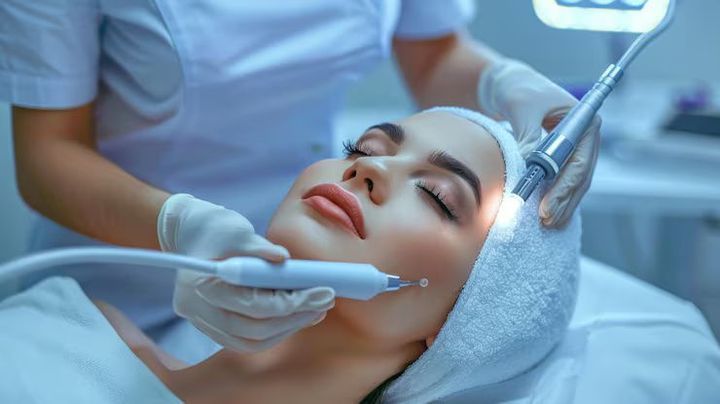
Light and laser-based technologies continue to evolve as effective skin resurfacing solutions. These treatments are commonly used to improve pigmentation concerns, skin tone irregularities, and signs of aging.
Advancements in skin technology have increased interest in non-invasive skin rejuvenation methods that support recovery with minimal disruption to daily routines.
Lifestyle Habits That Support Healthier Skin
Maintain a Nutrient-Rich Diet
Skin health starts from within. Nutrients play a critical role in supporting collagen synthesis, skin barrier function, and overall appearance.
Foods commonly associated with healthy skin include:
- Fatty fish rich in omega-3 fatty acids
- Colorful fruits and vegetables
- Nuts and seeds
- Lean proteins
- Whole grains
Antioxidant-rich foods may help combat oxidative stress, one of the major contributors to premature aging.
Improve Sleep Quality
During sleep, the body undergoes repair and recovery processes that support skin regeneration. Poor sleep habits can contribute to dullness, puffiness, and visible signs of fatigue.
Experts generally recommend seven to nine hours of quality sleep per night to support overall wellness and skin vitality.
Manage Stress Levels
Chronic stress may affect skin balance and contribute to various concerns, including breakouts and accelerated aging. Stress management techniques such as mindfulness, exercise, and relaxation practices can positively influence skin health.
Emerging Trends in Skin Rejuvenation
The global skincare industry continues to evolve with innovations focused on personalized skincare, regenerative aesthetics, and advanced anti-aging solutions. Artificial intelligence-assisted skin analysis, biomimetic peptides, and microbiome-focused skincare products are becoming increasingly popular among consumers seeking targeted skin improvement strategies.
Interest in preventive skincare is also growing, with more individuals adopting proactive routines designed to maintain healthy skin before visible aging concerns become prominent.
Conclusion
Skin rejuvenation is not about chasing perfection. It is about supporting the skin's natural ability to renew, repair, and remain healthy over time. Consistent sun protection, collagen-supporting ingredients, proper hydration, balanced nutrition, and healthy lifestyle choices form the foundation of effective skin care.
By understanding the science behind skin renewal and adopting evidence-based practices, individuals can improve skin texture, maintain elasticity, and enjoy healthier, more radiant skin for years to come.