Explore Vegan Nutrition: Essential Tips & Smart Food Choices
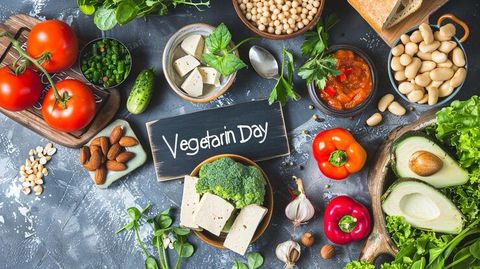
Vegan nutrition focuses on eating foods that come entirely from plant sources. This means avoiding animal-based foods such as meat, dairy, eggs, and similar ingredients. A vegan eating pattern mainly includes vegetables, fruits, legumes, grains, nuts, seeds, and plant-based protein sources.
In recent years, plant-based eating has gained attention because of health awareness, environmental concerns, and changing lifestyle preferences. Many people are exploring vegan nutrition to improve dietary balance, reduce processed food intake, or better understand sustainable eating habits.
A well-planned vegan diet can support overall wellness, but it requires awareness of important nutrients. Understanding nutritional balance helps people avoid common deficiencies and make informed food choices.
Understanding Vegan Nutrition
Vegan nutrition exists because people increasingly seek food systems that align with personal values, health goals, and environmental awareness. Unlike restrictive dieting trends, vegan nutrition focuses on replacing animal-based foods with nutrient-rich plant alternatives.
The main goal is not simply removing certain foods. Instead, it involves maintaining healthy intake of protein, vitamins, minerals, and essential fats.
Important nutrients often discussed in vegan diet planning include:
- Plant-based protein
- Vitamin B12
- Iron
- Calcium
- Omega-3 fatty acids
- Vitamin D
- Zinc
The table below highlights major nutrients and common plant-based sources.
| Nutrient | Plant-Based Sources | Why It Matters |
|---|---|---|
| Protein | Lentils, tofu, beans, quinoa | Muscle repair and growth |
| Iron | Spinach, chickpeas, seeds | Oxygen transport |
| Calcium | Fortified plant milk, sesame | Bone strength |
| Omega-3 | Flaxseeds, walnuts, chia | Brain function |
| Vitamin B12 | Fortified foods | Nervous system support |
Balanced meal planning is essential because some nutrients are naturally easier to obtain from animal products than from plants.
Why Vegan Nutrition Matters Today
Vegan nutrition matters more today because modern lifestyles often involve processed foods, irregular eating habits, and rising health concerns.
People from many age groups now explore plant-based eating, including:
- Young professionals
- Athletes
- Families
- Older adults
- Students
This topic affects anyone interested in nutritional wellness, sustainable food systems, or preventive health awareness.
Common challenges vegan nutrition helps address include:
- Excess saturated fat intake
- Low fiber consumption
- Poor dietary diversity
- Overdependence on processed foods
Plant-focused diets are often rich in fiber, antioxidants, and phytonutrients. These nutrients may support digestive health and help improve meal quality when planned correctly.
A simple nutrient balance chart shows the ideal structure of many vegan meals.
| Meal Component | Recommended Portion |
|---|---|
| Vegetables | 40% |
| Whole Grains | 25% |
| Protein Sources | 25% |
| Healthy Fats | 10% |
This structure helps improve nutritional density without making meals complicated.
Recent Updates in Vegan Nutrition
The plant-based food industry has evolved significantly during the past year.
In 2025, nutrition researchers continued studying plant protein quality and amino acid balance. More attention shifted toward minimally processed plant foods rather than highly processed alternatives.
Key recent developments include:
- Greater focus on whole-food vegan diets
- Increased use of fermented plant proteins
- Expansion of fortified foods for B12 and calcium
- Rising awareness of ultra-processed vegan products
Nutrition experts in late 2025 and early 2026 emphasized that “vegan” does not automatically mean healthy. Highly processed foods can still contain excess sodium, refined oils, or added sugars.
A major trend in 2026 is personalized nutrition. Digital diet planning tools now help people track micronutrients more accurately.
Emerging nutrition trends include:
- AI-based meal planning
- Smart nutrition tracking
- Personalized nutrient analysis
- Protein optimization calculators
These innovations help improve dietary planning and reduce nutrient gaps.
Laws and Policies Related to Vegan Nutrition
Government policies influence vegan nutrition through food labeling, dietary guidelines, and public health regulations.
In countries such as India, United States, and United Kingdom, food labeling regulations require packaged foods to display ingredient information and nutrition facts.
Important policy areas include:
- Food labeling rules
- Nutrition labeling standards
- Fortification guidelines
- School nutrition frameworks
- Public health dietary recommendations
For example, some governments encourage fortified foods containing:
- Vitamin B12
- Vitamin D
- Calcium
- Iron
In India, vegetarian and vegan labeling systems help consumers identify suitable packaged foods more easily through standardized symbols.
Dietary policy frameworks also influence public nutrition awareness campaigns and healthy eating education.
Useful Tools and Resources
Many tools can help people better understand vegan nutrition and meal balance.
Helpful resources include:
- Nutrient tracking calculators
- Meal planning templates
- Macronutrient planners
- Protein intake calculators
- Grocery planning sheets
- Nutrition education portals
Digital nutrition tools commonly help users monitor:
- Daily protein intake
- Fiber consumption
- Vitamin levels
- Mineral balance
- Calorie distribution
A simple weekly meal template can improve consistency.
| Meal Type | Example Focus |
|---|---|
| Breakfast | Whole grains + protein |
| Lunch | Legumes + vegetables |
| Dinner | Balanced nutrient plate |
| Snacks | Seeds, nuts, fruits |
Meal planning reduces guesswork and improves long-term dietary balance.
Frequently Asked Questions
Can a vegan diet provide enough protein?
Yes. Protein can come from lentils, beans, tofu, soy products, peas, quinoa, nuts, and seeds. Combining diverse plant foods helps improve amino acid intake.
Is Vitamin B12 important in vegan nutrition?
Yes. Vitamin B12 is one of the most important nutrients for vegans because it supports nerve function and red blood cell production.
Is vegan nutrition suitable for athletes?
Yes, when properly planned. Many athletes use plant-based diets while focusing on adequate protein, iron, calories, and recovery nutrition.
Can children follow vegan nutrition?
Children can follow a vegan diet if meals are carefully planned to support growth and development with adequate nutrients.
Are processed vegan foods always healthy?
No. Some processed vegan foods may contain high sodium, refined oils, or added sugars. Reading nutrition labels remains important.
Conclusion
Vegan nutrition is more than simply removing animal products from meals. It involves understanding nutrients, choosing diverse plant foods, and maintaining balanced eating habits.
As awareness around health, sustainability, and smart nutrition grows, vegan diets continue evolving with better tools, stronger research, and improved dietary guidance. The most effective approach focuses on whole foods, nutrient diversity, and informed meal planning.