ENT Equipment and Machinery Guide: Explore Explanation, Knowledge, Facts, Advice, Resources, and Helpful Information
ENT stands for Ear, Nose, and Throat, a medical specialty focused on diagnosing and managing conditions affecting these parts of the body. ENT equipment and machinery are specialised medical devices used in clinical, hospital, diagnostic, and surgical settings to support examination, imaging, monitoring, and treatment procedures.
The field of otolaryngology has evolved significantly over the years. Early examinations relied heavily on visual inspection and basic instruments. Today, healthcare facilities use advanced diagnostic systems, imaging technologies, surgical navigation tools, and digital documentation equipment to improve accuracy and efficiency.
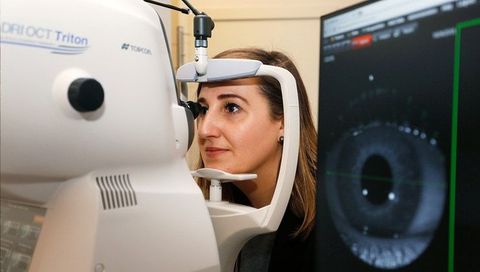
Common examples of ENT equipment include endoscopy systems, audiology testing devices, surgical microscopes, diagnostic imaging systems, hearing assessment equipment, and patient examination units. These technologies help healthcare professionals gather detailed information and make informed clinical decisions.
Many modern healthcare facilities integrate ENT machinery with electronic health record systems, allowing diagnostic information to be stored and reviewed more efficiently.
Common Types of ENT Equipment
The following table highlights several widely used categories of ENT equipment and their general applications.
| Equipment Category | Primary Function |
|---|---|
| ENT Examination Unit | Supports routine examinations |
| Endoscopy System | Visualises nasal, throat, and ear structures |
| Audiometer | Evaluates hearing function |
| Tympanometer | Assesses middle ear performance |
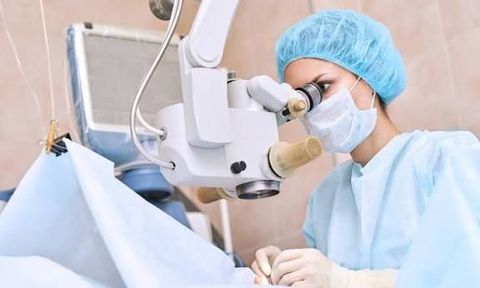
| Surgical Microscope | Provides magnified surgical views |
| ENT Treatment Chair | Supports patient positioning |
| Imaging Equipment | Assists diagnostic evaluation |
| Suction Systems | Removes fluids during procedures |
| Surgical Navigation Systems | Supports precision during surgery |
Why ENT Equipment Matters in Modern Healthcare
ENT disorders affect individuals of all ages. Hearing difficulties, sinus conditions, throat disorders, allergies, infections, and balance-related concerns can impact daily life and overall wellbeing.
Modern ENT equipment contributes to healthcare systems by supporting:
- Early identification of health concerns
- Detailed visual examination of internal structures
- Hearing and balance assessments
- Documentation of patient findings
- Minimally invasive procedures
- Clinical research and medical education
Healthcare professionals, medical institutions, researchers, and patients all benefit from advancements in ENT technology.
The increasing prevalence of hearing-related conditions among ageing populations has also increased attention toward audiology equipment and diagnostic technologies.
Key Benefits of Advanced ENT Machinery
Modern ENT devices provide several advantages within healthcare environments:
- Improved diagnostic precision
- Enhanced image quality
- Better patient documentation
- Increased workflow efficiency
- Support for minimally invasive techniques
- Integration with digital healthcare systems
These developments help healthcare professionals gather more comprehensive information while maintaining consistent clinical standards.
ENT Equipment Market and Technology Trends
Recent years have seen rapid technological developments across the medical device sector, including ENT machinery.
The chart below illustrates major technology trends influencing ENT equipment adoption.
| Technology Trend | Industry Impact |
|---|---|
| Digital Endoscopy | Higher image clarity |
| Artificial Intelligence Support | Improved image analysis |
| Portable Diagnostic Devices | Greater accessibility |
| Cloud-Based Data Storage | Easier record management |
| 3D Imaging Technologies | Enhanced anatomical visualisation |
| Robotic-Assisted Procedures | Increased surgical precision |
Recent Updates and Industry Developments
Several developments have influenced ENT equipment and machinery throughout 2025 and 2026.
Healthcare providers continue expanding the use of high-definition endoscopy systems, which provide improved visualisation during examinations and procedures.
Artificial intelligence-assisted imaging tools have become more common in diagnostic workflows. These systems help clinicians review images and identify areas requiring closer examination.
Portable audiology and hearing assessment equipment has gained attention due to growing interest in community-based healthcare programmes and remote patient assessment initiatives.
Digital integration remains another significant trend. Many manufacturers now focus on interoperability, enabling equipment to communicate with hospital information systems and electronic medical records.
Surgical navigation technologies have also become more sophisticated, offering enhanced anatomical mapping during complex sinus and skull-base procedures.
Growing research in hearing health, balance disorders, and minimally invasive surgical approaches continues to influence equipment development worldwide.
Emerging Innovations in ENT Technology
Several innovations are expected to shape future ENT environments:
- AI-enhanced diagnostic support
- Wireless hearing assessment systems
- Advanced image-guided surgery platforms
- Digital patient monitoring solutions
- High-resolution imaging technologies
- Integrated clinical workflow systems
These innovations aim to improve efficiency, accuracy, and accessibility within healthcare settings.
Laws, Regulations, and Policy Considerations
ENT equipment and machinery are regulated medical technologies. Regulatory requirements vary by country, but most healthcare systems follow similar principles focused on safety, quality, and effectiveness.
Key regulatory areas typically include:
- Medical device classification
- Product safety standards
- Clinical evaluation requirements
- Manufacturing quality controls
- Post-market surveillance
- Cybersecurity protections for connected devices
Healthcare facilities must ensure that medical equipment is operated according to manufacturer guidance and applicable regulations.
Examples of Regulatory Frameworks
| Regulatory Area | Purpose |
|---|---|
| Medical Device Registration | Verifies compliance before market entry |
| Quality Management Systems | Maintains manufacturing standards |
| Clinical Evidence Requirements | Demonstrates device performance |
| Safety Monitoring Programmes | Tracks potential risks after deployment |
| Data Protection Rules | Protects patient information |
Many governments also support digital health initiatives that encourage secure integration of medical technologies into healthcare systems.
Healthcare organisations increasingly prioritise cybersecurity because modern ENT equipment often connects to networks, imaging databases, and electronic patient records.
Standards Relevant to ENT Equipment
Several international standards frequently influence medical device development:
- ISO quality management standards
- Electrical safety standards
- Electromagnetic compatibility requirements
- Medical software validation guidelines
- Data privacy and information security regulations
Compliance with these frameworks helps support patient safety and equipment reliability.
Helpful Tools and Resources
Professionals, students, and researchers can access numerous resources related to ENT equipment and machinery.
Useful categories include:
- Medical device databases
- Clinical guideline repositories
- Audiology reference tools
- Anatomy learning platforms
- Medical imaging education resources
- Regulatory guidance portals
- Research publication databases
Examples of Common Resource Types
| Resource Type | Purpose |
|---|---|
| Clinical Guidelines | Evidence-based recommendations |
| Medical Journals | Research and scientific findings |
| Device Databases | Technical equipment information |
| Anatomy Platforms | Educational learning resources |
| Hearing Assessment References | Audiology education and research |
| Regulatory Portals | Compliance and policy information |
Healthcare professionals frequently use these resources to remain informed about evolving technologies, safety standards, and clinical practices.
Factors Considered When Evaluating ENT Equipment
Healthcare institutions often assess multiple factors when reviewing ENT technologies:
- Diagnostic capabilities
- Imaging quality
- Data integration features
- User interface design
- Maintenance requirements
- Regulatory compliance
- Clinical workflow compatibility
- Long-term reliability
These considerations help ensure equipment aligns with healthcare objectives and patient care requirements.
Frequently Asked Questions
What does ENT equipment include?
ENT equipment includes devices used for examining, diagnosing, monitoring, and supporting procedures involving the ear, nose, and throat. Examples include endoscopes, audiometers, surgical microscopes, imaging systems, and examination units.
Why is digital technology becoming important in ENT machinery?
Digital technology improves image quality, record management, data sharing, and workflow efficiency. It also supports integration with electronic health record systems and advanced diagnostic tools.
What is an audiometer?
An audiometer is a diagnostic device used to evaluate hearing ability. It helps healthcare professionals assess hearing thresholds and identify potential hearing-related conditions.
Are ENT devices subject to regulation?
Yes. ENT equipment is generally classified as medical devices and must comply with applicable safety, quality, and performance requirements established by regulatory authorities.
What trends are shaping the future of ENT technology?
Current trends include artificial intelligence-assisted diagnostics, portable assessment devices, advanced imaging systems, digital integration, robotic-assisted procedures, and improved surgical navigation technologies.
How do endoscopy systems support ENT examinations?
Endoscopy systems provide visual access to internal structures of the ear, nose, and throat. They help healthcare professionals observe anatomical details that may not be visible during routine external examinations.
Conclusion
ENT equipment and machinery play a significant role in modern healthcare by supporting the assessment, documentation, and management of ear, nose, and throat conditions. From diagnostic endoscopy systems and audiology equipment to advanced imaging and surgical navigation technologies, these tools contribute to informed clinical decision-making and improved healthcare workflows.
Recent developments in digital integration, artificial intelligence, portable diagnostics, and image-guided technologies continue to influence the field. At the same time, regulatory standards and medical device policies remain important for ensuring safety, quality, and reliability.
As healthcare technology evolves, ENT equipment will likely become increasingly connected, data-driven, and precise, supporting clinicians, researchers, educators, and healthcare organisations in meeting the growing demands of modern medical practice.