Jump to a Chapter

OCT Machines and Equipment Guide: Explore Explanation, Details, Knowledge, Suggestions, and Helpful Insights

OCT Machines and Equipment Guide: Explore Explanation, Details, Knowledge, Suggestions, and Helpful Insights

Optical Coherence Tomography (OCT) machines are advanced imaging systems used to create detailed cross-sectional images of biological tissues and other materials. The technology works by using light waves to capture highly detailed images beneath the surface of an object without causing damage.

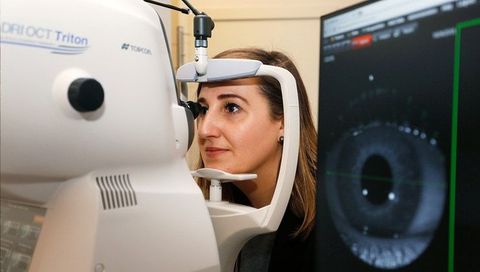
OCT technology was originally developed to improve diagnostic imaging in healthcare. Today, OCT machines are widely used in ophthalmology, cardiology, dermatology, research laboratories, biomedical engineering, and industrial inspection applications.

The main purpose of OCT equipment is to provide high-resolution imaging that allows professionals to examine internal structures in a non-invasive manner. This capability helps improve accuracy, supports informed decision-making, and enhances understanding of complex structures that may not be visible through conventional imaging methods.

Common components of OCT systems include:

ComponentFunction
Light SourceGenerates light used for imaging
InterferometerMeasures reflected light signals
Scanning UnitCaptures imaging data from the target area
Processing SoftwareConverts signals into visual images
Display SystemPresents scan results for analysis

Many modern OCT platforms incorporate artificial intelligence, cloud-based data management, and advanced image analysis features to improve workflow efficiency and diagnostic support.

Why OCT Machines and Equipment Matter

OCT equipment plays an important role across several industries because it provides precise imaging while avoiding invasive procedures.

In healthcare, OCT imaging helps specialists assess tissue structures with exceptional detail. Eye care professionals frequently use OCT scans to evaluate retinal layers and monitor conditions affecting vision. Cardiovascular specialists use OCT systems to examine blood vessels and support procedural planning.

In research environments, OCT technology contributes to studies involving tissue engineering, biomedical imaging, and disease progression analysis. Scientists rely on the technology to obtain detailed observations that support ongoing investigations.

Industrial sectors also benefit from OCT equipment. Manufacturers use OCT systems for quality assurance, material inspection, and non-destructive testing. The ability to analyse internal structures without damaging products supports production accuracy and process optimisation.

Key benefits include:

  • High-resolution imaging capabilities
  • Non-invasive examination methods
  • Rapid image acquisition
  • Improved visualisation of internal structures
  • Support for research and innovation
  • Enhanced inspection and monitoring processes

Industries Using OCT Technology

IndustryCommon Applications
OphthalmologyRetinal imaging and eye health assessment
CardiologyBlood vessel imaging
DermatologySkin structure analysis
Biomedical ResearchTissue and cellular studies
ManufacturingMaterial inspection and quality control
Semiconductor IndustryMicrostructure evaluation

The growing demand for advanced diagnostic imaging, medical equipment technology, healthcare analytics, and precision imaging solutions continues to increase interest in OCT systems worldwide.

Recent Developments and Trends

The OCT technology sector has experienced notable developments throughout 2025 and 2026.

One major trend involves the integration of artificial intelligence into imaging workflows. AI-powered software is increasingly being used to assist image interpretation, automate measurements, and identify patterns within scan data.

Another significant development is the advancement of swept-source OCT systems. These systems provide faster scanning speeds and deeper imaging penetration compared with earlier technologies. As a result, professionals can obtain more comprehensive visual information during examinations.

Portable and compact OCT devices have also gained attention. Manufacturers are developing smaller systems designed for greater flexibility in clinical, research, and field-based environments.

The chart below highlights key technology trends influencing OCT equipment.

Technology TrendImpact
AI-Assisted ImagingImproved image analysis
Swept-Source OCTFaster and deeper scans
Cloud IntegrationEnhanced data management
Portable SystemsIncreased accessibility
Advanced Software AnalyticsBetter interpretation capabilities

Another emerging area involves multimodal imaging platforms. These systems combine OCT with complementary imaging technologies to provide broader insights and more detailed assessments.

Healthcare institutions, research organisations, and technology developers continue to invest in advanced imaging infrastructure, reflecting the growing importance of precision diagnostic technologies and medical imaging innovation.

OCT Technology Adoption Trends


AI Integration         ██████████
Cloud Connectivity     ████████
Portable Devices       ███████
Advanced Analytics     █████████
Multimodal Imaging     ████████


The increasing adoption of digital healthcare systems and image analysis platforms is expected to influence future developments across both medical and industrial applications.

Regulations, Standards, and Policy Considerations

OCT machines are subject to various regulations and standards depending on the country and intended use.

Medical OCT systems generally fall within medical device regulatory frameworks. Regulatory authorities evaluate safety, performance, manufacturing quality, and clinical evidence before devices can be introduced into healthcare environments.

Important regulatory areas often include:

  • Medical device classification requirements
  • Safety and performance standards
  • Quality management systems
  • Data privacy and information security regulations
  • Clinical evaluation and validation processes
  • Post-market monitoring requirements

Examples of regulatory bodies include:

Regulatory AuthorityRegion
U.S. Food and Drug Administration (FDA)United States
European Medicines Regulatory FrameworkEuropean Union
Medicines and Healthcare Products Regulatory Agency (MHRA)United Kingdom
Health CanadaCanada
Therapeutic Goods Administration (TGA)Australia

Healthcare organisations using OCT systems may also need to comply with patient data protection regulations, cybersecurity standards, and digital health governance requirements.

As healthcare technology evolves, regulators continue to update guidance related to artificial intelligence, software-enabled medical devices, and digital imaging systems.

Helpful Tools and Resources

Professionals working with OCT equipment often utilise a variety of supporting resources to improve understanding and workflow efficiency.

Useful categories include:

Imaging Analysis Platforms

  • OCT image processing software
  • Retinal imaging analysis tools
  • Medical imaging analytics platforms
  • AI-assisted interpretation systems

Educational Resources

  • Biomedical engineering learning platforms
  • Clinical imaging training materials
  • Research publications and journals
  • Medical technology knowledge databases

Data Management Solutions

  • Secure image storage systems
  • Cloud-based healthcare platforms
  • Research data repositories
  • Digital imaging archives

Technical Resources

  • Equipment maintenance documentation
  • Device performance monitoring tools
  • Quality assurance templates
  • Calibration guidance materials

Common OCT Equipment Features

FeaturePurpose
High-Speed ScanningFaster image capture
Automated AnalysisReduced manual processing
3D VisualisationEnhanced structural understanding
Cloud ConnectivityData accessibility
AI SupportPattern recognition and analytics
Digital ReportingStructured documentation

Access to reliable educational materials and technology resources can help users remain informed about evolving imaging practices and equipment capabilities.

Frequently Asked Questions

What does OCT stand for?

OCT stands for Optical Coherence Tomography. It is an imaging technology that uses light waves to create detailed cross-sectional images of tissues and materials.

Where are OCT machines commonly used?

OCT machines are widely used in ophthalmology, cardiology, dermatology, biomedical research, manufacturing quality control, and semiconductor inspection.

Is OCT imaging invasive?

No. OCT imaging is generally considered a non-invasive technique because it uses light to obtain images without requiring surgical procedures or tissue removal.

What is swept-source OCT?

Swept-source OCT is an advanced form of OCT technology that uses rapidly changing laser wavelengths to achieve deeper tissue penetration and faster image acquisition.

How is artificial intelligence being used with OCT systems?

Artificial intelligence can assist with image analysis, automated measurements, pattern recognition, workflow optimisation, and decision-support processes based on imaging data.

Why is OCT technology important for research?

Researchers use OCT technology because it provides detailed visualisation of structures and processes, enabling better analysis, monitoring, and understanding of biological and material systems.

Conclusion

OCT machines and equipment have become valuable tools across healthcare, scientific research, and industrial inspection environments. By providing high-resolution, non-invasive imaging capabilities, OCT technology supports detailed analysis of internal structures that might otherwise be difficult to observe.

Recent developments involving artificial intelligence, advanced imaging software, cloud connectivity, and portable device designs continue to expand the capabilities of OCT systems. At the same time, regulatory frameworks help ensure safety, quality, and reliability in both medical and technical applications.

As imaging technology continues to evolve, OCT equipment is expected to remain an important part of modern diagnostic imaging, biomedical research, digital healthcare innovation, and precision inspection processes. Understanding the technology, its applications, and the resources available can help professionals and learners stay informed about this rapidly developing field.

author-image

Harshit Sharma

We are a performance-driven media buying team focused on scaling brands through smart, data-backed advertising strategies

July 29, 2026 . 8 min read