Plastic Molding Guide With Manufacturing Process Insights And Details
Plastic molding is one of the most widely used manufacturing processes for producing plastic components in industries ranging from automotive and electronics to healthcare, consumer goods, packaging, and construction. The process involves shaping plastic materials into specific forms using molds, heat, pressure, and specialized machinery. Plastic molding allows manufacturers to produce components with consistent dimensions, complex geometries, and repeatable quality across both small and large production volumes.
This topic is increasingly important because plastic components continue playing a significant role in modern manufacturing. According to global manufacturing research, plastic molding remains a critical production technology due to its efficiency, scalability, material versatility, and ability to support high-volume manufacturing. As industries seek lighter, more durable, and cost-effective materials, plastic molding technologies continue evolving to meet changing product requirements and production demands.
The real-world impact of plastic molding extends beyond factory operations. The products created through molding processes are found in everyday items such as medical devices, household appliances, electronic products, industrial equipment, transportation systems, and packaging materials. Understanding how plastic molding works helps manufacturers, engineers, designers, and industry professionals make informed production decisions, which naturally leads into who these processes affect and the challenges they help solve.
Who It Affects & Problems It Solves
Plastic molding affects manufacturers, product designers, engineers, production managers, supply chain professionals, quality control specialists, and businesses across numerous industries globally. Manufacturers rely on molding technologies to produce components efficiently and consistently. Product designers benefit because molding processes allow the creation of complex shapes that may be difficult or expensive to produce using alternative manufacturing methods.
Without effective molding technologies, organizations often face challenges related to production speed, product consistency, material utilization, and manufacturing costs. Traditional fabrication methods may require extensive machining, assembly, or finishing operations. Plastic molding helps address these challenges by enabling mass production, reducing material waste, and improving manufacturing efficiency.
A common misconception is that all plastic products are manufactured using the same molding process. In reality, different molding methods are designed for different product types, materials, and production requirements. Another challenge involves selecting inappropriate materials or processes for specific applications. Understanding these distinctions helps organizations optimize production outcomes, which naturally connects to recent developments influencing the industry.
Recent Updates
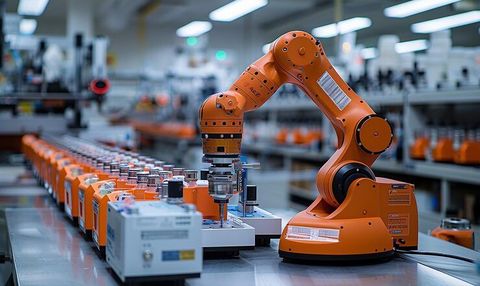
Over the past year, manufacturers globally have increased investments in automation technologies within molding operations. Advanced robotics, automated material handling systems, and intelligent monitoring solutions are becoming more common because organizations seek improved efficiency and production consistency. These technologies help reduce manual intervention while supporting higher productivity levels.
In early 2025, sustainability initiatives continued influencing plastic manufacturing strategies. Companies increasingly explored recycled materials, bio-based polymers, and material optimization techniques designed to reduce environmental impact while maintaining product performance standards. Sustainability remains an important driver of innovation within the plastics industry.
Another notable development involves the integration of digital manufacturing technologies. Smart sensors, machine monitoring platforms, and predictive maintenance systems are increasingly used to improve equipment reliability and production visibility. These technologies support data-driven decision-making and operational optimization.
At the same time, demand for lightweight and high-performance plastic components continues growing across multiple industries. Manufacturers are developing new materials and molding techniques capable of meeting increasingly demanding performance requirements. These developments provide valuable context for comparing molding processes and manufacturing approaches.
Comparison Table
The table below compares common plastic molding technologies and their primary manufacturing characteristics.
| Molding Process | Main Purpose | Key Advantage | Limitation | Typical Application |
|---|---|---|---|---|
| Injection Molding | High-volume production | Excellent precision | Higher tooling cost | Consumer products |
| Blow Molding | Hollow plastic products | Efficient container production | Shape limitations | Bottles and containers |
| Compression Molding | Large molded parts | Material efficiency | Longer cycle times | Industrial components |
| Rotational Molding | Hollow structures | Uniform wall thickness | Slower production | Storage tanks |
| Thermoforming | Sheet shaping | Lower tooling cost | Limited complexity | Packaging products |
| Extrusion Molding | Continuous profiles | High productivity | Profile-specific products | Pipes and tubing |
| Transfer Molding | Detailed components | Good dimensional control | More complex tooling | Specialized applications |
| Insert Molding | Integrated assemblies | Reduced assembly steps | Process complexity | Electronic components |
| Multi-Shot Molding | Multiple materials | Enhanced functionality | Higher equipment costs | Advanced products |
| Micro Molding | Small precision parts | High accuracy | Specialized equipment | Medical devices |
The comparison demonstrates that different molding technologies serve different production objectives. Some processes focus on high-volume manufacturing, while others prioritize specialized shapes, precision, or material efficiency. Understanding these distinctions creates a useful transition into regulations and practical manufacturing guidance.
Regulations & Practical Guidance
In most countries, plastic molding operations operate within broader frameworks related to workplace safety, environmental management, product quality, and manufacturing compliance. Regulatory authorities generally require organizations to maintain safe operating procedures, manage materials responsibly, and implement appropriate quality control practices. Compliance expectations vary depending on the products being manufactured and the industries they serve.
International manufacturing standards frequently encourage process validation, equipment maintenance, quality assurance systems, and documentation practices. Manufacturers are often expected to monitor production consistency, maintain traceability, and implement controls designed to ensure product reliability and customer satisfaction.
Another practical consideration involves process selection. Engineers and manufacturing specialists typically evaluate factors such as production volume, material characteristics, part complexity, dimensional requirements, and budget constraints before selecting a molding method. Successful projects often depend on aligning manufacturing processes with product objectives and operational capabilities.
Which Option Suits Your Situation?
A manufacturer producing large quantities of identical components may benefit from injection molding because it supports high-volume production and consistent product quality. This approach is widely used for consumer goods and industrial products.
An organization producing bottles, containers, or hollow products may find blow molding particularly suitable due to its efficiency and ability to create lightweight hollow structures. This process is commonly used within packaging industries.
A business requiring large hollow products such as tanks or containers may consider rotational molding because it supports uniform wall thickness and versatile product dimensions. This method is often used for industrial and storage applications.
A company developing specialized or multi-material products may explore advanced techniques such as insert molding or multi-shot molding. These technologies support enhanced functionality and product integration. These considerations naturally connect to useful resources and educational tools.
Tools & Resources
Several globally accessible resources can help professionals better understand plastic molding technologies and manufacturing practices.
Manufacturing Industry Publications — Provide insights into production technologies, materials, and process innovations.
Materials Engineering Resources — Explain polymer characteristics, material selection, and performance considerations.
Process Design Guides — Support evaluation of molding methods and production requirements.
Quality Management Frameworks — Provide information regarding manufacturing consistency and process control.
Industrial Automation Resources — Discuss smart manufacturing technologies and operational optimization.
Product Development Platforms — Help engineers evaluate design and manufacturability considerations.
Professional Manufacturing Associations — Offer educational resources and industry knowledge.
These resources support informed decision-making and continuous improvement initiatives, which naturally leads into frequently asked questions.
Frequently Asked Questions
What is plastic molding?
Plastic molding is a manufacturing process that shapes plastic materials into specific forms using molds, heat, pressure, and specialized equipment. It is widely used to produce components for consumer products, industrial equipment, medical devices, and packaging applications.
Who uses plastic molding technologies?
Plastic molding is used by manufacturers, product designers, engineers, automotive companies, healthcare organizations, electronics producers, packaging suppliers, and industrial businesses that require plastic components for their products.
Are plastic molding operations regulated?
In many regions globally, molding operations operate under workplace safety, environmental, quality management, and manufacturing regulations. Organizations are generally expected to maintain safe operations and comply with applicable industry standards.
Is injection molding the only plastic molding method?
A common misconception is that injection molding is the only molding process. In reality, manufacturers use various technologies such as blow molding, compression molding, rotational molding, thermoforming, and extrusion depending on product requirements and production objectives.
How do manufacturers choose a molding process?
Manufacturers typically evaluate production volume, material properties, product complexity, dimensional requirements, tooling costs, and performance objectives when selecting a molding technology. The most suitable process depends on the specific application and manufacturing goals.
Conclusion
Plastic molding remains one of the most important manufacturing technologies because it supports efficient production, product consistency, material versatility, and large-scale manufacturing capabilities. The most important takeaway is that different molding methods are designed for different products, materials, and operational requirements. Selecting the appropriate process plays a significant role in achieving successful production outcomes.
For most organizations, the best approach involves carefully evaluating product specifications, production volumes, material requirements, and long-term manufacturing objectives before choosing a molding technology. Strategic planning and process optimization often contribute significantly to quality, efficiency, and cost performance.
As manufacturing technologies continue evolving globally, plastic molding processes will likely become increasingly automated, sustainable, intelligent, and integrated with advanced digital manufacturing systems, helping organizations achieve higher levels of productivity and innovation.