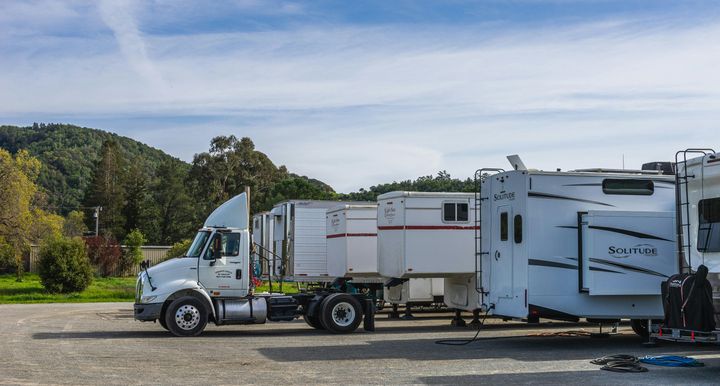
The concept exists to provide flexible access to utility vehicles without long-term ownership. Many individuals and organizations require a pickup truck only for specific activities such as moving items, construction tasks, or outdoor projects. Rentals make it possible to access such vehicles when needed.
Pickup truck rental is connected to areas such as commercial vehicle usage insights, logistics transportation solutions, and short-term vehicle access models. These systems support efficient handling of tasks that require mobility and load capacity.
The purpose is to bridge the gap between occasional need and permanent ownership, enabling users to complete transport-related activities effectively.
Importance – Why Pickup Truck Rental Matters Today
Pickup truck rental has become increasingly important due to changing transportation needs and the growing demand for flexible mobility solutions. Not everyone requires a utility vehicle on a daily basis, but many tasks occasionally depend on one.
One key benefit is versatility. Pickup trucks can be used for a wide range of activities, including transporting furniture, construction materials, and equipment. This aligns with utility vehicle flexibility insights and logistics efficiency strategies.
Another important factor is convenience. Rentals allow users to access a vehicle suited to their specific task without maintaining one permanently.
Pickup truck rental is relevant for:
-
Individuals handling relocation or home improvement tasks
-
Businesses requiring commercial transport vehicle solutions
-
Contractors managing short-term projects
-
Outdoor enthusiasts transporting gear
It also helps solve common challenges such as:
-
Limited access to large vehicles
-
Need for temporary transport solutions
-
Handling heavy or bulky items
-
Managing logistics for short-duration tasks
The table below compares temporary vehicle access and permanent ownership:
| Feature | Temporary Pickup Access | Permanent Ownership |
|---|
| Flexibility | High | Limited |
| Usage Frequency | Occasional | Regular |
| Maintenance | Managed externally | Owner responsibility |
| Storage Needs | Minimal | Required |
| Vehicle Variety | Multiple options | Fixed type |
This comparison highlights why temporary access models are widely used.
Recent Updates – Trends and Developments (2025–2026)
The pickup truck rental sector has evolved in recent years, influenced by technology and sustainability trends.
One notable trend is the introduction of electric pickup trucks into rental fleets. Since 2025, more providers have included electric models, supporting electric vehicle adoption insights and reducing environmental impact.
Another development is the integration of digital platforms. Mobile apps now allow users to locate vehicles, manage bookings, and track usage efficiently. This aligns with digital fleet management solutions.
There is also a growing focus on fuel efficiency and eco-friendly practices. Hybrid and electric options are becoming more common as sustainability becomes a priority.
The table below summarizes recent trends:
| Trend (2025–2026) | Description |
|---|
| Electric pickup trucks | Adoption of EV models for utility use |
| Digital booking systems | App-based vehicle access and management |
| Fleet optimization | Data-driven vehicle allocation |
| Sustainable transport | Reduced emissions and eco-friendly options |
| Advanced safety features | Improved driver assistance systems |
These trends indicate a shift toward smarter and more sustainable transportation solutions.
Laws or Policies – Regulations and Guidelines in India
Pickup truck rental in India is influenced by regulations related to vehicle operation, road safety, and commercial transport.
Drivers must comply with licensing requirements appropriate for the vehicle category. Additionally, vehicles used for commercial purposes must meet registration and permit standards.
Key regulatory considerations include:
-
Valid driving license for light or commercial vehicles
-
Compliance with motor vehicle laws and road safety rules
-
Vehicle registration and insurance requirements
-
Adherence to emission standards and environmental regulations
The Ministry of Road Transport and Highways oversees many of these regulations, ensuring safe and standardized vehicle usage.
These policies help maintain safety, accountability, and environmental compliance.
Tools and Resources – Platforms and Utilities
Various tools and resources can help individuals understand and manage pickup truck usage effectively.
Useful categories include:
-
Vehicle rental apps for locating and accessing trucks
-
Navigation tools for route planning
-
Load calculation tools for safe transport
-
Educational resources on commercial vehicle operation insights
Commonly used tools include:
-
Google Maps for route optimization
-
Uber for mobility solutions
-
Zoomcar for vehicle access
-
Fleet management dashboards for tracking usage and efficiency
The table below categorizes these resources:
| Resource Type | Purpose |
|---|
| Rental apps | Locate and access vehicles |
| Navigation tools | Plan efficient routes |
| Load calculators | Ensure safe weight distribution |
| Fleet management tools | Monitor vehicle usage |
| Educational platforms | Learn transport and safety guidelines |
These resources support better planning and efficient use of pickup trucks.
FAQs – Common Questions About Pickup Truck Rental
What is pickup truck rental?
It refers to the temporary use of a pickup truck for transporting goods or completing specific tasks.
Who can benefit from pickup truck rentals?
Individuals, businesses, and contractors needing short-term access to utility vehicles can benefit.
What types of tasks are suitable for pickup trucks?
Common uses include moving items, transporting equipment, and handling construction materials.
Are electric pickup trucks available?
Yes, electric models are increasingly being included in rental fleets as part of sustainability efforts.
What should be considered when using a pickup truck?
Important factors include load capacity, route planning, and adherence to safety and traffic regulations.
Conclusion
Pickup truck rental provides a practical and flexible solution for handling transportation tasks that require utility vehicles. By offering temporary access, it allows users to adapt to changing needs without long-term commitments.
The importance of this model continues to grow as individuals and businesses seek efficient and versatile transport options. Recent trends such as electric vehicles, digital platforms, and advanced safety features highlight the ongoing evolution of this sector.
Regulations in India ensure safe and compliant vehicle usage, while various tools and resources help users plan and manage their activities effectively. Understanding these aspects enables informed decision-making and efficient use of pickup trucks.
By exploring the basics, trends, and available resources, users can gain valuable insights into how pickup truck rental supports modern transportation needs.