Table of Contents

Deluxe Luxury Vanity Van Guide: Features, Design, and Mobile Comfort Insights

Deluxe Luxury Vanity Van Guide: Features, Design, and Mobile Comfort Insights

A deluxe luxury vanity van is a specialized mobile unit designed to provide comfortable, private, and functional interior spaces while on location. These vehicles are commonly used in film production, television broadcasting, event management, media operations, corporate activities, and mobile workspace environments.

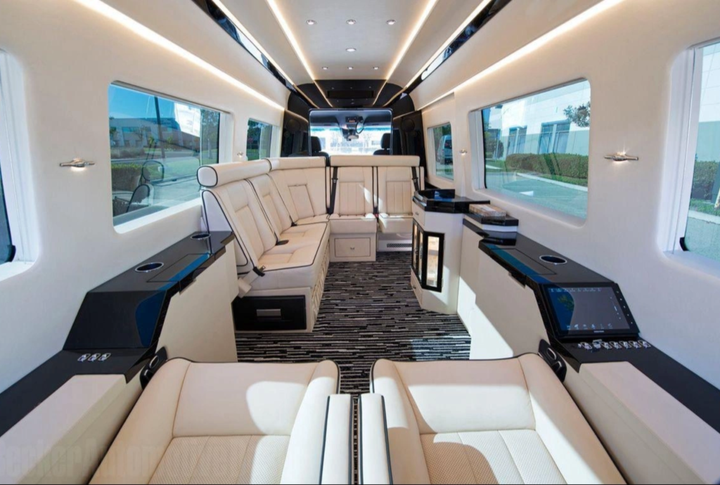
Unlike standard passenger vehicles, vanity vans are designed with a strong emphasis on interior comfort, privacy, convenience, and workspace functionality. Modern vanity vans often incorporate advanced interior design concepts, smart technologies, climate management systems, and ergonomic layouts to support extended usage.

High CPC keywords associated with this topic include luxury vehicle interiors, mobile workspace solutions, smart vehicle technology, transportation design, premium interior systems, commercial vehicle innovation, fleet management technology, mobile office solutions, automotive engineering, and intelligent transportation systems.

As mobile work environments continue evolving, vanity vans have become an important part of modern transportation and on-location operations.

Why Vanity Vans Matter Today

Many industries require temporary workspaces, preparation areas, private meeting spaces, or mobile facilities that can operate efficiently across different locations.

Luxury vanity vans help address several practical requirements:

  • Mobile comfort
  • Workspace flexibility
  • Privacy
  • Climate-controlled environments
  • Operational convenience
  • Efficient space utilization

These vehicles are relevant to media professionals, event organizers, production teams, transportation planners, corporate organizations, and mobile operations managers.

The growing need for flexible and mobile infrastructure has contributed to increased interest in advanced vanity van designs.

Design Philosophy of Modern Vanity Vans

Modern vanity vans are designed to maximize both functionality and passenger comfort within a limited mobile space.

Key design objectives include:

  • Efficient interior layouts
  • Passenger comfort
  • Flexible workspace arrangements
  • Privacy management
  • Ergonomic design
  • Modern aesthetics

Designers often focus on creating environments that feel similar to premium indoor spaces while maintaining mobility and practicality.

Interior Layout and Space Planning

Space planning is one of the most important aspects of vanity van design.

Common interior zones include:

  • Lounge areas
  • Preparation spaces
  • Seating zones
  • Storage compartments
  • Workstations
  • Rest areas

Careful planning helps optimize available space while maintaining comfort and accessibility.

Typical Interior Features

Interior FeaturePurpose
Lounge SeatingComfort and relaxation
Vanity MirrorsPersonal preparation
Storage SystemsOrganized space management
Climate ControlEnvironmental comfort
Lighting SystemsVisibility and ambiance
Work AreasFunctional workspace support

These features help create a practical and comfortable mobile environment.

Passenger Comfort Features

Passenger comfort remains a major priority in luxury vanity van design.

Common comfort-oriented features include:

  • Spacious seating arrangements
  • Adjustable lighting systems
  • Climate management technologies
  • Acoustic insulation
  • Ergonomic furniture
  • Interior entertainment systems

These features contribute to a more pleasant and productive user experience.

Smart Technology Integration

Technology plays an increasingly important role in modern mobile environments.

Common smart features include:

  • Automated lighting controls
  • Digital climate management
  • Wireless connectivity systems
  • Energy management technologies
  • Smart entertainment controls
  • Integrated communication systems

These technologies enhance operational efficiency and user convenience.

Lighting and Vanity Systems

Lighting is a critical component of vanity van functionality.

Modern systems may include:

  • LED lighting solutions
  • Adjustable brightness controls
  • Task lighting
  • Ambient lighting
  • Mirror illumination systems

Well-designed lighting environments support both comfort and practical usage requirements.

Mobile Workspace Applications

Vanity vans are often utilized as temporary mobile work environments.

Applications may include:

  • Production support
  • Media operations
  • Event coordination
  • Corporate field activities
  • Creative workspace functions
  • Mobile administration

The flexibility of these vehicles allows them to support a variety of operational needs.

Safety Features and Vehicle Design

Safety remains an essential consideration in mobile vehicle environments.

Common safety elements include:

  • Seatbelt systems
  • Emergency exits
  • Fire safety equipment
  • Vehicle stability technologies
  • Safety monitoring systems
  • Structural reinforcement

These features contribute to passenger protection and operational safety.

Safety Technology Overview

Safety FeatureFunction
Seatbelt SystemsOccupant protection
Stability ControlsVehicle handling support
Emergency EquipmentIncident preparedness
Structural DesignPassenger safety
Visibility SystemsDriver awareness
Monitoring TechnologiesOperational support

Modern vehicle engineering emphasizes both active and passive safety measures.

Material Selection and Interior Finishes

The materials used within vanity vans significantly influence durability, appearance, and user comfort.

Common materials include:

  • Engineered wood finishes
  • Premium textiles
  • Lightweight composites
  • Acoustic insulation materials
  • Decorative laminates
  • Durable flooring systems

Material selection often balances aesthetics, maintenance requirements, and long-term performance.

Transportation and Mobility Innovation

The transportation industry continues to introduce new technologies that improve vehicle functionality and passenger experiences.

Key innovations include:

  • Connected vehicle systems
  • Smart monitoring technologies
  • Digital fleet management
  • Energy-efficient systems
  • Advanced driver assistance technologies
  • Improved vehicle ergonomics

These developments are helping modern mobile environments become more efficient and adaptable.

Recent Trends and Updates (2025–2026)

Several trends have influenced mobile vehicle design over the past year.

Key developments include:

  • Increased focus on workspace flexibility
  • Enhanced smart technology integration
  • Improved climate management systems
  • Greater emphasis on sustainability
  • Advanced interior lighting solutions
  • Better connectivity and communication features

Manufacturers and designers continue exploring ways to improve comfort, efficiency, and operational functionality.

Mobile Comfort Comparison

Feature AreaTraditional Mobile UnitsModern Luxury Vanity Vans
Interior ComfortStandardEnhanced
Workspace DesignBasicFlexible
Lighting SystemsConventionalAdvanced
ConnectivityLimitedIntegrated
Climate ManagementBasicSmart Controls
Passenger ExperienceFunctionalUser-Centric

This evolution reflects growing expectations for mobile comfort and usability.

Laws and Policies Affecting Mobile Vehicle Operations

Vehicles used for transportation and mobile operations may be subject to various regulations and standards.

Important considerations include:

  • Vehicle safety regulations
  • Transportation compliance standards
  • Roadworthiness requirements
  • Accessibility guidelines
  • Environmental regulations
  • Occupational safety considerations

Compliance with applicable regulations helps support safe and responsible vehicle operation.

Tools and Resources

Useful resources related to mobile vehicle design and transportation technology include:

  • Vehicle design software
  • Fleet management platforms
  • Transportation planning tools
  • Safety assessment guides
  • Smart mobility research resources
  • Automotive engineering publications
  • Interior space planning applications
  • Vehicle technology databases

These resources help support research, planning, and transportation education.

Frequently Asked Questions

What is a luxury vanity van?

A luxury vanity van is a specialized mobile vehicle designed to provide comfortable, private, and functional interior spaces for mobile operations and on-location activities.

What features are commonly found inside vanity vans?

Common features include lounge seating, vanity areas, climate control systems, storage solutions, lighting systems, and workspace facilities.

Why is interior design important in vanity vans?

Effective interior design helps maximize space utilization, comfort, accessibility, and overall functionality.

What technologies are used in modern vanity vans?

Many modern vehicles incorporate smart lighting, climate controls, wireless connectivity, communication systems, and digital monitoring technologies.

What are major trends in 2026?

Flexible workspaces, smart vehicle technologies, sustainability initiatives, improved connectivity, and enhanced passenger comfort are among the leading trends.

Conclusion

Deluxe luxury vanity vans represent an innovative intersection of transportation, interior design, and mobile workspace functionality. By combining passenger comfort, smart technologies, ergonomic layouts, and modern vehicle engineering, these specialized mobile units support a wide range of operational and mobility requirements.

As transportation technologies, connectivity solutions, and interior design innovations continue advancing, vanity vans are expected to become increasingly sophisticated and adaptable. Understanding their design principles, comfort features, safety considerations, and technological developments provides valuable insight into the future of mobile environments and modern transportation solutions.

Disclaimer

This article is intended solely for informational and educational purposes. It does not promote, advertise, endorse, recommend, facilitate, or encourage the rental, booking, purchase, sale, or commercial use of any vehicle, vanity van, transportation provider, manufacturer, or organization. References to vehicle categories and transportation technologies are included only to explain design concepts, passenger comfort features, mobile workspace functionality, and industry developments. The content should not be interpreted as commercial, operational, financial, legal, transportation, or professional advice.

author-image

Ravi Shankar Maurya

We create purposeful content that speaks, resonates, and drives action.

June 03, 2026 . 11 min read