Gym Equipment Rentals Explore Guide: Tips, Insights, Advice, Basics, and Helpful Resources
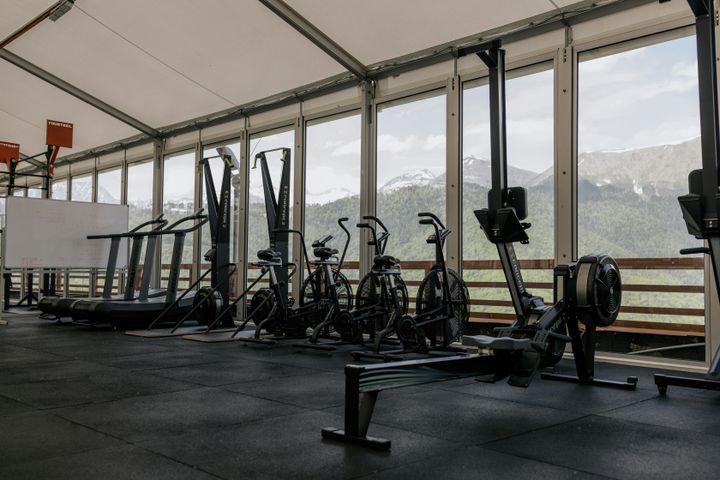
Gym equipment rentals refer to the temporary use of fitness machines and accessories for home or commercial purposes. Instead of permanent ownership, individuals or organizations access equipment such as treadmills, exercise bikes, weights, and resistance systems for a defined period.
This concept exists to provide flexibility in fitness routines. Not everyone has the space, long-term commitment, or immediate need for permanent gym setups. Rentals allow users to access equipment as needed, supporting changing fitness goals and lifestyles.
Gym equipment rentals are connected to areas like home fitness solutions, fitness equipment subscription models, and workout equipment accessibility insights. These solutions have become more relevant as people look for convenient ways to maintain health without relying solely on traditional gym memberships.
The purpose is to make fitness equipment more accessible while supporting short-term and evolving exercise needs.
Importance – Why Gym Equipment Rentals Matter Today
Gym equipment rentals have gained importance due to changing fitness habits and increased awareness of health and wellness. Many individuals prefer exercising at home or in flexible environments, making temporary access to equipment more practical.
One major benefit is adaptability. Users can adjust their fitness setup based on current goals, such as strength training, cardio workouts, or rehabilitation exercises. This aligns with personal fitness planning insights and custom workout program strategies.
Another important factor is space management. Not all households or facilities can accommodate large equipment permanently. Rentals help address this limitation by allowing temporary usage.
Gym equipment rentals are relevant for:
- Individuals focusing on home workout equipment solutions
- Fitness enthusiasts exploring different exercise routines
- Rehabilitation programs requiring short-term equipment use
- Organizations setting up temporary fitness spaces
They also help solve common challenges such as:
- Limited space for permanent equipment
- Changing fitness goals over time
- Need for specialized equipment for specific workouts
- Accessibility to diverse fitness tools
The table below compares temporary access and permanent ownership:
| Feature | Temporary Equipment Access | Permanent Equipment Setup |
|---|---|---|
| Flexibility | High | Limited |
| Space Requirement | Adjustable | Fixed |
| Variety | Easy to change equipment | Restricted to owned items |
| Commitment | Short-term | Long-term |
| Maintenance | Often managed externally | User responsibility |
This comparison highlights why flexible access models are increasingly relevant.
Recent Updates – Trends and Developments (2025–2026)
The gym equipment rental space has evolved in recent years, influenced by technology and changing consumer preferences.
One notable trend is the integration of smart fitness equipment. Since 2025, many rental offerings include machines with built-in tracking features, allowing users to monitor workouts, heart rate, and performance metrics. This supports fitness tracking technology insights.
Another development is the rise of hybrid fitness models. People are combining home workouts with occasional gym visits, increasing demand for flexible equipment access.
Sustainability has also become a focus. Reusing and circulating equipment reduces waste and aligns with environmental goals. This connects with sustainable fitness equipment usage insights.
The table below summarizes recent trends:
| Trend (2025–2026) | Description |
|---|---|
| Smart fitness equipment | Integrated tracking and performance monitoring |
| Hybrid fitness routines | Combination of home and gym workouts |
| Sustainable usage models | Reduced waste through shared equipment |
| Compact equipment designs | Space-saving machines for home use |
| Digital fitness integration | Connection with apps and virtual training |
These trends show how fitness solutions are becoming more flexible and technology-driven.
Laws or Policies – Regulations and Guidelines in India
Gym equipment rentals are influenced by regulations related to consumer safety, product standards, and business practices.
In India, fitness equipment must comply with safety and quality standards to ensure user well-being. These standards may cover aspects such as material durability, load capacity, and electrical safety for powered machines.
Consumer protection laws also apply, ensuring transparency in agreements and proper handling of equipment. Additionally, businesses must follow taxation and documentation requirements.
Key regulatory considerations include:
- Safety standards for fitness equipment usage
- Compliance with consumer protection laws
- Proper documentation and usage agreements
- Adherence to electrical and mechanical safety guidelines
These policies help ensure that equipment used in homes or facilities is safe and reliable.
Tools and Resources – Helpful Platforms and Utilities
Several tools and resources can support individuals in understanding and managing gym equipment usage effectively.
Useful categories include:
- Fitness tracking apps for monitoring workouts
- Equipment comparison platforms for fitness equipment insights
- Workout planning tools for structured routines
- Educational resources on exercise techniques
Commonly used tools include:
- Fitbit for activity and health monitoring
- MyFitnessPal for tracking workouts and diet
- Nike Training Club for guided exercise routines
- Strava for activity tracking
Below is a comparison table of resource types:
| Resource Type | Purpose |
|---|---|
| Fitness apps | Track workouts and performance |
| Planning tools | Create structured exercise routines |
| Educational platforms | Teach proper workout techniques |
| Equipment guides | Explain features and usage methods |
| Digital communities | Share fitness experiences and tips |
These resources help users improve their fitness routines and make informed decisions about equipment usage.
FAQs – Common Questions About Gym Equipment Rentals
What is gym equipment rental?
It refers to the temporary use of fitness machines and tools for a specific period, allowing flexibility in workout setups.
Who can benefit from gym equipment rentals?
Individuals, fitness enthusiasts, and organizations that need short-term or flexible access to equipment can benefit.
What types of equipment are commonly included?
Common items include treadmills, stationary bikes, weights, resistance bands, and strength training machines.
Are smart fitness features available in rental equipment?
Yes, many modern machines include tracking features for monitoring performance and health metrics.
How can equipment usage be optimized?
Using workout plans, tracking apps, and proper techniques can help maximize the benefits of fitness equipment.
Conclusion
Gym equipment rentals provide a flexible and practical approach to fitness, allowing individuals and organizations to adapt their workout environments based on changing needs. By offering temporary access to a wide range of equipment, this model supports convenience, variety, and efficient space usage.
The importance of gym equipment rentals has grown with the rise of home fitness and hybrid workout routines. Recent trends such as smart equipment, sustainability, and digital integration highlight the evolving nature of fitness solutions.
Regulations in India ensure safety and quality, while tools and resources help users plan and monitor their fitness activities effectively. Understanding these aspects enables individuals to make informed decisions about incorporating equipment into their routines.
By exploring the basics, trends, and available resources, users can gain valuable insights into how gym equipment rentals contribute to a more adaptable and accessible fitness experience.