Flight Travel Information Systems Knowledge Hub: Learn Travel Technology Details, Flight Information Services & Expert Information
Flight travel information systems are digital technologies and communication networks that help collect, process, organize, and distribute travel-related information throughout the aviation industry. These systems support the movement of information between airlines, airports, air traffic management organizations, and passengers.
As air transportation has expanded globally, information management has become increasingly important. Modern aviation relies on sophisticated digital platforms capable of handling flight schedules, operational updates, airport information, route planning, and passenger communications.
Flight information systems have evolved from manual reporting methods to highly integrated digital networks that support real-time communication and operational awareness. Today, these technologies form a critical part of modern aviation infrastructure.
Why Flight Information Systems Matter
Air travel involves numerous interconnected processes that require accurate and timely information. Flight information systems help improve communication and coordination across aviation networks.
These systems contribute to:
- Flight schedule management
- Passenger information distribution
- Airport operations coordination
- Aviation data management
- Travel planning support
- Operational monitoring
- Transportation network communication
- Aviation infrastructure management
Reliable information systems support efficiency, transparency, and operational awareness throughout the aviation sector.
Aviation Information Ecosystem
| Area | Function |
|---|---|
| Flight Information Systems | Manage operational data |
| Airport Information Networks | Coordinate airport activities |
| Passenger Information Services | Deliver travel updates |
| Air Traffic Systems | Support aviation coordination |
| Digital Communication Platforms | Share operational information |
These systems work together to support aviation operations and information management.
Key Components of Flight Information Systems
Modern aviation information networks consist of multiple technological components.
| Component | Purpose |
| Flight Databases | Store operational information |
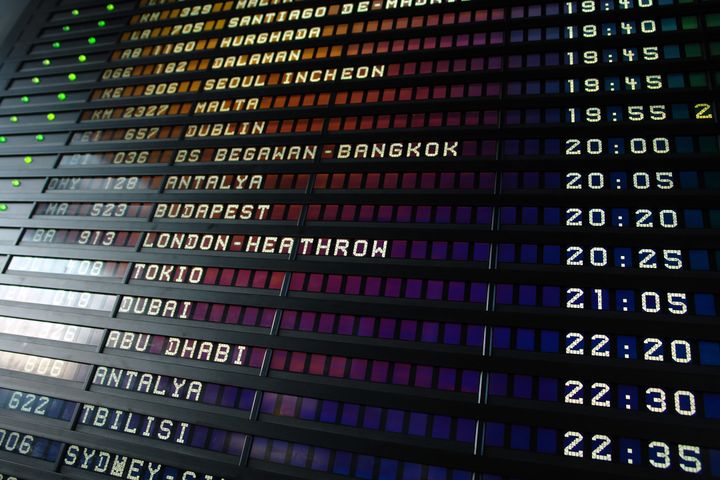
| Information Displays | Communicate travel updates |
| Communication Networks | Transfer aviation data |
| Scheduling Systems | Manage flight information |
| Monitoring Platforms | Track operational activities |
| Passenger Information Tools | Share travel-related updates |
| Data Processing Systems | Analyze operational information |
Each component contributes to the flow of information across aviation environments.
How Flight Information Systems Operate
Flight information systems collect data from multiple sources and distribute relevant information to stakeholders.
A typical information flow may include:
- Collection of operational data
- Processing through information platforms
- Verification of schedule and status updates
- Distribution to airports and airline systems
- Communication through passenger information channels
- Continuous monitoring and updates
This process helps maintain information consistency across aviation networks.
Common Applications of Aviation Information Systems
Flight information technologies support various areas of the aviation industry.
Airport Operations
Airports use information systems to coordinate flight schedules, gate assignments, and passenger communications.
Passenger Information Services
Travelers receive updates regarding schedules, airport operations, and travel information through digital channels.
Airline Operations
Airlines rely on information management systems to support operational planning and coordination.
Air Traffic Coordination
Information systems help facilitate communication and situational awareness across aviation environments.
Transportation Network Integration
Modern aviation increasingly connects with broader transportation systems through digital technologies.
Recent Developments in Aviation Technology
Several technology trends influenced aviation information systems during 2025 and 2026.
Artificial Intelligence Applications
Organizations continue exploring artificial intelligence for operational analysis and information management.
Cloud-Based Infrastructure
Cloud technologies support scalable aviation data storage and communication capabilities.
Real-Time Data Integration
Modern platforms increasingly utilize real-time information processing and distribution.
Digital Passenger Communication
Enhanced communication channels continue improving access to travel-related information.
Cybersecurity Awareness
The aviation sector continues emphasizing data security and information protection practices.
Technology Trends Overview
| Trend | Focus Area |
| Artificial Intelligence | Data analysis |
| Cloud Infrastructure | Information management |
| Real-Time Systems | Operational visibility |
| Digital Communication | Passenger information |
| Cybersecurity | Data protection |
These developments continue shaping aviation technology ecosystems.
Recent Industry Updates
Over the past year, aviation organizations have continued investing in digital transformation initiatives and information technology improvements.
Notable developments include:
- Expansion of digital aviation platforms.
- Increased use of cloud-based information systems.
- Greater focus on cybersecurity practices.
- Enhanced passenger information capabilities.
- Continued modernization of aviation communication networks.
These developments reflect broader technological trends across the transportation sector.
Laws, Regulations, and Aviation Policies
Flight information systems operate within regulatory frameworks designed to support aviation safety, security, and operational consistency.
Aviation Safety Regulations
Information systems often support compliance with aviation operational requirements.
Data Protection Frameworks
Digital platforms may be subject to privacy and information security regulations.
Airport Operational Standards
Airports frequently follow established procedures for information management and communication.
Transportation Technology Policies
Government agencies may establish guidelines related to digital transportation infrastructure.
Cybersecurity Requirements
Many aviation organizations implement cybersecurity measures to help protect information systems.
Regulatory requirements vary depending on country, airport authority, and aviation organization.
Helpful Tools and Learning Resources
Several educational resources support learning about aviation technology and information systems.
Educational Resources
- Aviation technology publications
- Transportation management learning materials
- Airport operations guides
- Industry research reports
Technical Resources
- Aviation data management references
- Information system documentation
- Transportation technology manuals
- Digital infrastructure studies
Research Resources
- Academic journals
- Aviation industry publications
- Transportation research papers
- Technology trend reports
Learning Platforms
- Aviation education programs
- Transportation technology courses
- Industry webinars
- Digital learning resources
These materials can help readers understand aviation information technologies and industry developments.
Frequently Asked Questions
What is a flight travel information system?
A flight travel information system is a digital platform or network that manages and distributes aviation-related information.
Why are flight information systems important?
They help support communication, coordination, and information sharing throughout aviation operations.
Who uses flight information systems?
Airlines, airports, aviation authorities, transportation organizations, and passengers may interact with these systems.
What information is commonly managed by these systems?
Examples include schedules, operational updates, airport information, and communication data.
How is technology changing aviation information services?
Technologies such as artificial intelligence, cloud computing, cybersecurity tools, and real-time data platforms continue influencing aviation information management.
Conclusion
Flight travel information systems play an important role in modern aviation by supporting communication, operational awareness, and information management across transportation networks. These technologies help facilitate the flow of information between airlines, airports, aviation authorities, and travelers.
As digital transformation continues across the transportation sector, aviation information systems are expected to evolve through advances in data management, communication technologies, cybersecurity, and intelligent automation. Understanding these systems can provide valuable insight into the technology infrastructure that supports global air travel.
Disclaimer
This article is published solely for educational and informational purposes. Its objective is to explain flight travel information systems, aviation technologies, passenger information services, and industry developments.
We do not sell, promote, advertise, endorse, recommend, broker, facilitate, arrange, or provide airline tickets, flight reservations, travel packages, accommodation bookings, transportation services, or any commercial travel-related activity.
The information presented should not be interpreted as travel advice, booking guidance, purchasing recommendations, financial advice, or endorsements of any airline, airport, travel platform, transportation provider, or organization. Any references to aviation technologies, transportation systems, or industry concepts are included solely for educational and informational context.