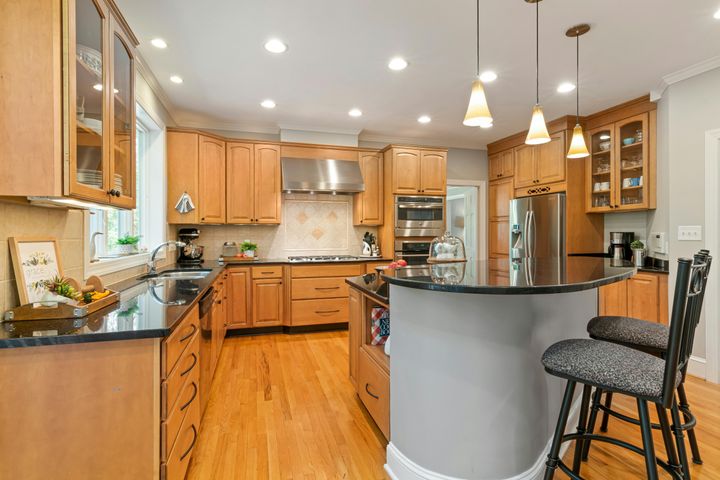
Kitchen & Bath Transformation: Maximizing Utility and Luxury
A kitchen and bathroom transformation involves the comprehensive redesign and structural improvement of the two most functional spaces within a residential property. In architectural terms, these areas are often referred to as "service cores" because they require complex integration of plumbing, electrical wiring, and specialised ventilation. Unlike a simple cosmetic update, a full transformation addresses the underlying infrastructure, spatial efficiency, and the ergonomic relationship between the user and the environment.
These projects exist because the needs of a household evolve over time. Older homes were often designed with compartmentalized layouts that do not accommodate modern appliances or contemporary lifestyles. A transformation seeks to bridge the gap between historical structures and modern requirements, focusing on high-performance materials and advanced engineering to create environments that are both resilient and intuitive.
The Significance of Functional Remodeling
Modern living places a heavy emphasis on the efficiency of the home environment. The kitchen has transitioned from a hidden service area to a central hub for social interaction and nutrition, while the bathroom has evolved into a space for hygiene and wellness. This shift makes the optimization of these rooms essential for the overall health and functionality of a household.
Renovating these spaces solves several critical problems:
Resource Management: Modern fixtures significantly reduce water and electricity consumption, addressing the global need for resource conservation.
Accessibility and Safety: Updated designs incorporate "Universal Design" principles, making spaces safer for elderly residents or individuals with mobility challenges.
Spatial Optimization: Clever storage solutions and layout adjustments solve the problem of clutter and restricted movement in smaller urban dwellings.
Structural Longevity: Addressing hidden issues like moisture infiltration or outdated wiring prevents long-term damage to the building’s integrity.
Recent Trends and 2025–2026 Industry Developments
The landscape of interior renovation has seen significant shifts over the past year. As of early 2026, there is a distinct move toward "quiet technology" and integrated wellness features.
Emphasis on Biophilic Design (Mid-2025 – Present):
Designers are increasingly incorporating natural elements like living walls or large-format stone surfaces that mimic outdoor environments. This trend is driven by a growing awareness of mental well-being and the impact of the indoor environment on stress levels.
Smart Infrastructure Evolution (Late 2025):
The integration of Matter-enabled devices has become standard. These devices allow different brands of smart faucets, lighting, and appliances to communicate seamlessly, creating a unified ecosystem that can be controlled via a single interface.
Circular Economy Materials:
In the last 12 months, there has been a surge in the use of "circular materials"—products made from recycled glass, composite paper, or reclaimed industrial waste. These materials are prized for their durability and low environmental footprint.
| Feature | Traditional Approach | Modern Transformation (2026) |
| Lighting | Static overhead fixtures | Layered, adaptive LED systems |
| Water Usage | Standard flow faucets | Sensor-based, low-flow precision fixtures |
| Storage | Fixed shelving | Modular, pull-out ergonomic systems |
| Ventilation | Basic exhaust fans | High-efficiency heat recovery ventilators |
Regulatory Frameworks and Building Standards
Renovating kitchens and bathrooms is not merely a matter of aesthetics; it is heavily governed by local and national building codes to ensure inhabitant safety. In India, for instance, the National Building Code (NBC) provides specific guidelines regarding ceiling heights, ventilation ratios, and electrical safety in wet areas.
Electrical Safety Standards: Due to the proximity of water and electricity, regulations require the installation of Ground Fault Circuit Interrupters (GFCI) or Residual Current Circuit Breakers (RCCB). These devices are designed to disconnect the circuit instantly if a leakage is detected, preventing accidental shocks.
Water Management Policies: Many urban municipalities now mandate the use of water-efficient fixtures that meet specific "Star" ratings or environmental certifications to manage the growing demand for urban water supply.
Waste Disposal Regulations: During a transformation, the disposal of debris is subject to environmental laws. Contractors must often follow specific protocols for segregating masonry waste from hazardous materials like old lead pipes or asbestos insulation found in vintage structures.
Essential Tools and Planning Resources
A successful transformation relies on precise planning and the use of technical resources to visualize and execute the design.
Design and Visualization Tools:
BIM (Building Information Modeling) Software: Tools like Revit or ArchiCAD allow for a 3-bit digital twin of the space to be created, ensuring that plumbing and electrical runs do not conflict with structural beams.
Room Visualizers: Many material manufacturers provide web-based augmented reality (AR) tools that allow users to see how different floor tiles or countertop slabs will look in their specific light conditions.
Calculation and Logistics Resources:
Lighting Calculators: Online tools help determine the required "lumens" for a space based on square footage and ceiling height, ensuring the kitchen work surfaces are adequately illuminated.
Energy Efficiency Rating Databases: Websites that list the performance metrics of appliances and fixtures help in selecting components that will minimize long-term utility expenses.
Project Management Templates: Spreadsheets and Gantt chart templates are vital for tracking the timeline of various trades, such as plumbers, electricians, and tilers.
Frequently Asked Questions
What is the "Kitchen Work Triangle" and is it still relevant?
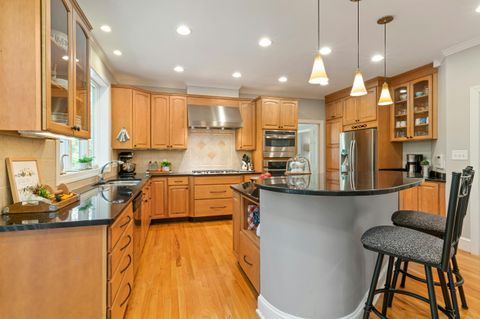
The Kitchen Work Triangle is a design principle that positions the sink, stove, and refrigerator in a triangular layout to minimize movement. While still a solid foundation, modern "Zone Design" is often preferred for larger kitchens, where the space is divided into specific areas for prep, cooking, cleaning, and socializing.
How does proper ventilation impact the longevity of a bathroom?
High-quality ventilation is the most effective way to combat moisture accumulation. Without it, humidity can lead to mold growth, which degrades wall finishes and can cause respiratory issues. Modern systems often include humidity sensors that activate the fan automatically when moisture levels rise.
Can structural walls be moved during a kitchen transformation?
Yes, but it requires an assessment by a structural engineer. If a wall is "load-bearing," it supports the weight of the floor or roof above. Moving it necessitates the installation of a reinforced beam (often steel or engineered timber) to redistribute the weight safely.
What are the benefits of using porcelain slabs over natural stone?
Porcelain slabs are engineered to be non-porous, meaning they do not require sealing and are highly resistant to stains and bacteria. While natural stone offers a unique aesthetic, porcelain provides a similar look with significantly higher durability and lower maintenance requirements.
Conclusion
A kitchen and bath transformation is a sophisticated undertaking that requires a balance of engineering, ergonomics, and environmental awareness. By focusing on utility through smart spatial planning and embracing luxury through high-quality, durable materials, homeowners can create spaces that are resilient to the passage of time.
As technology continues to integrate further into our living environments, the importance of foundational quality—proper plumbing, safe electrical systems, and efficient ventilation—remains the most critical aspect of any remodel. Informed decision-making, guided by current regulations and the latest resource tools, ensures that these central pillars of the home serve the needs of its occupants for decades to come. Exploring these transformations is not just about changing the appearance of a room; it is about enhancing the very fabric of daily life through better design and thoughtful execution.