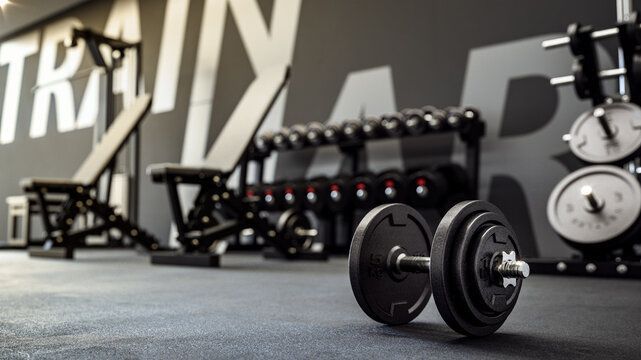
This concept exists because modern fitness habits are no longer fixed. People may follow short-term fitness goals, relocate frequently, or experiment with different workout routines. Renting equipment supports these needs by allowing access without long-term obligations. It also helps reduce storage challenges and maintenance responsibilities that typically come with ownership.
From home workouts to corporate wellness setups, gym equipment rentals have become part of a broader shift toward flexible consumption models. Similar to digital subscriptions or shared mobility, this approach prioritizes access over ownership.
Why Gym Equipment Rentals Matter Today
The relevance of gym equipment rentals has increased due to evolving health awareness and lifestyle patterns. Many individuals now prefer working out at home or in private spaces, especially when balancing work schedules or avoiding crowded environments.
This model affects a wide range of users:
-
Individuals setting up temporary home gyms
-
Businesses creating employee wellness programs
-
Fitness trainers conducting short-term sessions
-
Event organizers planning fitness-related activities
Several problems are addressed through this approach. Limited living space is one of the most common challenges, especially in urban settings. Renting allows access to large equipment without permanent storage concerns. Budget flexibility is another factor; users can align their fitness spending with short-term goals rather than making large upfront commitments.
Additionally, this model supports experimentation. Users can try different types of equipment before deciding whether they fit their routine. This reduces the risk of underutilized fitness machines, which is a common issue with ownership.
From a broader perspective, gym equipment rentals also contribute to resource efficiency. By circulating equipment among multiple users, overall utilization improves, which can reduce waste and extend product life cycles.
Recent Updates and Trends in Gym Equipment Rentals
Over the past year, several trends have shaped the gym equipment rental landscape.
One notable trend in 2025 is the integration of smart fitness technology. Many rental options now include equipment with built-in tracking systems, virtual coaching, and connectivity with fitness apps. This aligns with the increasing demand for data-driven workouts.
Another development is the rise of hybrid fitness models. People are combining home workouts with occasional gym visits. Rental services are adapting by offering short-duration access, such as weekly or monthly usage plans, to match flexible routines.
Sustainability has also gained attention. In early 2025, several fitness providers highlighted circular economy practices, encouraging reuse and refurbishment of equipment. This shift reflects growing environmental awareness among users.
Corporate wellness programs have expanded as well. Organizations are incorporating fitness solutions into employee benefits, and rental models provide a practical way to implement these programs without long-term infrastructure commitments.
The following table summarizes key trends observed recently:
| Trend Area | Description | Impact on Users |
|---|
| Smart Equipment | Integration with apps and tracking systems | Improved workout monitoring |
| Flexible Duration | Short-term and hybrid rental options | Greater convenience |
| Sustainability Focus | Reuse and refurbishment practices | Reduced environmental impact |
| Corporate Wellness | Fitness setups for workplaces | Enhanced employee engagement |
These trends indicate that gym equipment rentals are evolving beyond simple access models into more personalized and technology-driven solutions.
Laws and Policies Affecting Gym Equipment Rentals
Gym equipment rentals are influenced by various regulations, depending on the region. These rules are generally designed to ensure safety, consumer protection, and fair usage practices.
Safety standards are one of the most important aspects. Fitness equipment must comply with manufacturing and operational guidelines to prevent injuries. Regulatory bodies often set standards for mechanical stability, electrical components, and material quality.
Consumer protection laws also play a role. Agreements between providers and users must be transparent, clearly outlining usage terms, responsibilities, and conditions. This helps prevent disputes and ensures accountability.
In some regions, health and safety regulations require proper sanitation and maintenance of shared equipment. This became especially relevant after global health concerns in recent years, leading to stricter hygiene practices.
Environmental policies may also apply. Regulations related to electronic waste and recycling can influence how equipment is refurbished or disposed of. This aligns with broader sustainability goals.
For organizations using rented equipment in workplaces, occupational safety guidelines may apply. Employers are typically responsible for ensuring that equipment is used safely and that users receive basic instructions.
Understanding these policies helps users make informed decisions and ensures compliance with local requirements.
Tools and Resources for Gym Equipment Rentals
Several tools and resources can support effective planning and usage of gym equipment rentals. These resources help users track progress, manage schedules, and optimize fitness routines.
Common categories include:
-
Fitness tracking applications that monitor workouts and progress
-
Equipment comparison platforms that provide specifications and features
-
Workout planning templates for structured routines
-
Maintenance checklists to ensure safe usage
-
Budget calculators for estimating short-term fitness expenses
Popular digital tools include:
-
MyFitnessPal for tracking activity and nutrition
-
Fitbod for generating personalized workout routines
-
Nike Training Club for guided exercise programs
The table below highlights how different tools can be used:
| Tool Type | Purpose | Example Use Case |
|---|
| Tracking Apps | Monitor fitness progress | Recording daily workouts |
| Planning Templates | Structure workout routines | Weekly exercise scheduling |
| Comparison Platforms | Evaluate equipment features | Selecting suitable machines |
| Maintenance Guides | Ensure safe and proper usage | Regular equipment checks |
Using these tools can improve the overall experience and help users stay consistent with their fitness goals.
Frequently Asked Questions
What is gym equipment rental and how does it work?
Gym equipment rental allows users to access fitness machines for a limited period. The arrangement typically includes usage terms, duration, and responsibilities for care.
Who benefits most from this approach?
Individuals with short-term fitness goals, limited space, or changing routines often benefit the most. It is also useful for organizations implementing temporary wellness programs.
Are there safety considerations to keep in mind?
Yes, users should ensure that equipment meets safety standards and is used according to instructions. Regular checks and proper setup are important for safe workouts.
How does this compare to owning equipment?
Ownership provides long-term access but requires storage and maintenance. Rentals offer flexibility and lower commitment, making them suitable for temporary needs.
What trends are shaping this industry?
Recent trends include smart fitness technology, flexible usage models, sustainability practices, and increased adoption in corporate wellness programs.
Conclusion
Gym equipment rentals represent a flexible approach to fitness that aligns with modern lifestyles. By focusing on access rather than ownership, this model supports convenience, adaptability, and efficient resource use.
The growing interest in health and wellness, combined with technological advancements, has made this option more relevant than ever. Recent trends show a shift toward smarter, more sustainable, and user-focused solutions.
Understanding the regulatory environment and using appropriate tools can enhance the overall experience. Whether for personal use or organizational programs, gym equipment rentals provide a practical way to engage with fitness in a structured yet flexible manner.