Explore Refrigerated Truck Rentals: Detailed Overview, Facts, Benefits, and Practical Advice
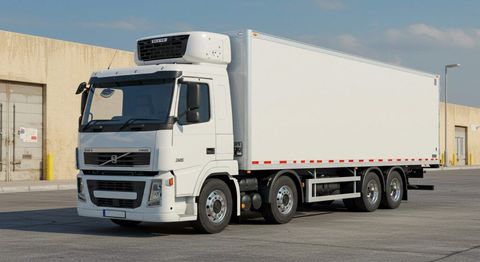
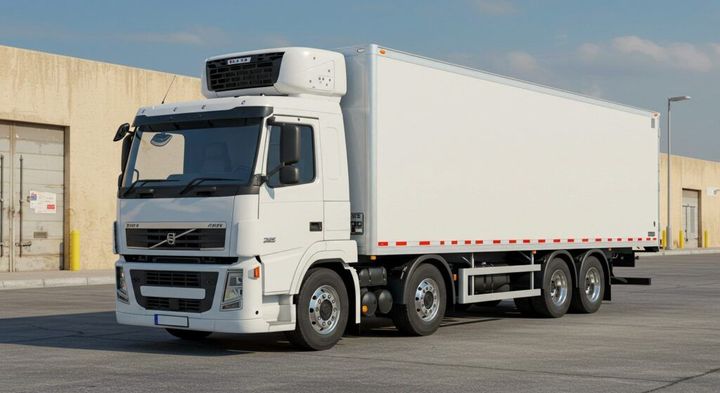
Refrigerated truck rentals refer to temperature-controlled vehicles designed to transport perishable or sensitive goods that require consistent cooling conditions. These vehicles are equipped with specialized refrigeration units that maintain a predefined temperature range, ensuring product integrity throughout transit.
The concept exists to support industries where temperature stability is critical, such as food distribution, pharmaceuticals, floral supply chains, and chemical logistics. Instead of maintaining a permanent fleet, many organizations rely on flexible rental models to manage seasonal demand, short-term logistics needs, or emergency transportation requirements.
Cold chain logistics has become a foundational part of global supply networks. Refrigerated transport plays a central role in preserving freshness, preventing spoilage, and maintaining compliance with safety standards.
Key components of refrigerated truck systems include:
- Insulated cargo compartments
- Temperature control units
- Monitoring sensors and digital tracking systems
- Backup power systems
These features collectively ensure that goods remain within safe temperature thresholds from origin to destination.
Why Refrigerated Transport Matters Today
The demand for refrigerated truck rentals has grown significantly due to evolving consumption patterns and stricter quality expectations. With increased reliance on fresh produce, frozen foods, and temperature-sensitive medical supplies, cold chain efficiency directly impacts public health and economic stability.
Industries that depend heavily on refrigerated logistics include:
- Food and beverage distribution
- Pharmaceutical and vaccine transport
- Agriculture and dairy supply chains
- Biotechnology and laboratory services
A key challenge solved by refrigerated transport is temperature fluctuation. Even minor deviations can lead to product degradation, financial loss, or regulatory non-compliance.
Another major factor is supply chain globalization. Products often travel long distances across varying climates, making reliable temperature control essential.
Below is a simplified comparison of product sensitivity levels:
| Product Type | Temperature Range (°C) | Risk Level if Exposed |
|---|---|---|
| Fresh Produce | 0 to 5 | Medium |
| Frozen Foods | -18 or lower | High |
| Pharmaceuticals | 2 to 8 | Critical |
| Dairy Products | 1 to 4 | High |
Maintaining these conditions ensures product safety, regulatory compliance, and reduced waste across supply chains.
Recent Developments in Refrigerated Logistics
Over the past year, refrigerated transport has seen several technological and operational advancements aimed at improving efficiency and sustainability.
One major trend is the integration of IoT (Internet of Things) in cold chain monitoring. Real-time tracking systems now provide continuous temperature data, enabling immediate corrective action if deviations occur.
Another development is the adoption of electric and hybrid refrigeration units. As of 2025, many logistics providers have begun transitioning toward low-emission cooling systems to align with environmental targets and reduce carbon footprints.
Digital fleet management platforms have also improved route optimization and predictive maintenance. These systems analyze vehicle performance and environmental conditions to minimize delays and energy consumption.
A simple trend overview:
| Trend (2025–2026) | Impact on Industry |
|---|---|
| IoT Temperature Monitoring | Improved accuracy and compliance |
| Electric Refrigeration Units | Reduced emissions and fuel usage |
| AI Route Optimization | Faster and efficient deliveries |
| Data Analytics Integration | Better decision-making |
Additionally, regulatory updates in various regions have emphasized stricter temperature documentation requirements, increasing the need for automated tracking solutions.
Regulatory Framework and Compliance Considerations
Refrigerated truck usage is closely governed by transportation and safety regulations. These rules are designed to ensure that temperature-sensitive goods are handled properly throughout the supply chain.
Common regulatory aspects include:
- Temperature control standards for food safety
- Documentation requirements for pharmaceutical transport
- Vehicle sanitation and hygiene protocols
- Calibration of temperature monitoring devices
For example, food safety frameworks often require continuous temperature logging during transit. Similarly, pharmaceutical logistics must comply with Good Distribution Practices (GDP), which mandate strict environmental controls and traceability.
Environmental regulations are also becoming more prominent. Emission standards now influence the type of refrigeration units used, encouraging the adoption of energy-efficient and eco-friendly technologies.
Failure to comply with these regulations can result in penalties, product recalls, or reputational risks, making compliance a critical aspect of refrigerated logistics operations.
Useful Tools and Resources for Cold Chain Efficiency
Managing refrigerated transport effectively often requires the use of digital tools and specialized resources. These solutions help monitor performance, ensure compliance, and improve operational efficiency.
Common tools used in the industry include:
-
Temperature Monitoring Apps
Applications that provide real-time alerts and historical data tracking -
Fleet Management Software
Platforms that optimize routes, fuel usage, and vehicle performance -
Cold Chain Compliance Checklists
Templates used to ensure adherence to safety and regulatory standards -
Data Loggers and Sensors
Devices installed inside trucks to record temperature fluctuations -
Route Optimization Calculators
Tools that determine the most efficient delivery paths based on traffic and climate conditions
Example comparison of tool benefits:
| Tool Type | Primary Function | Key Benefit |
|---|---|---|
| Temperature Sensors | Monitor internal conditions | Prevent spoilage |
| Fleet Software | Manage vehicles and routes | Improve efficiency |
| Compliance Templates | Ensure regulatory adherence | Reduce legal risks |
| Data Analytics Platforms | Analyze logistics performance | Better decision-making |
These resources enable logistics operators to maintain consistency, reduce losses, and meet industry standards more effectively.
Frequently Asked Questions
What is the purpose of refrigerated truck rentals?
Refrigerated truck rentals provide temporary access to temperature-controlled vehicles for transporting perishable or sensitive goods. They help maintain product quality without requiring long-term fleet ownership.
How do refrigerated trucks maintain temperature?
They use built-in refrigeration units combined with insulated cargo areas. Sensors continuously monitor internal conditions, ensuring the temperature remains within a specified range.
Which industries rely most on refrigerated transport?
Industries such as food distribution, pharmaceuticals, agriculture, and biotechnology depend heavily on refrigerated logistics to preserve product integrity.
What happens if temperature control fails during transit?
Temperature failure can lead to spoilage, reduced product quality, and potential regulatory violations. Modern systems often include alerts to address issues quickly.
Are there environmental concerns with refrigerated trucks?
Yes, traditional refrigeration units can contribute to emissions. However, newer technologies like electric cooling systems are reducing environmental impact.
Final Thoughts on Refrigerated Truck Rentals
Refrigerated truck rentals play a critical role in maintaining the integrity of temperature-sensitive goods across modern supply chains. As global demand for fresh and safe products continues to grow, the importance of reliable cold chain logistics becomes even more evident.
Advancements in technology, stricter regulatory frameworks, and increasing environmental awareness are shaping the future of refrigerated transport. By leveraging digital tools, adhering to compliance standards, and understanding operational requirements, organizations can ensure efficient and safe delivery processes.
In a world where product quality and safety are closely monitored, refrigerated logistics remains an essential component of sustainable and responsible supply chain management.