Explore Welding Machine Rentals: Overview, Basics, Key Facts & Expert Advice
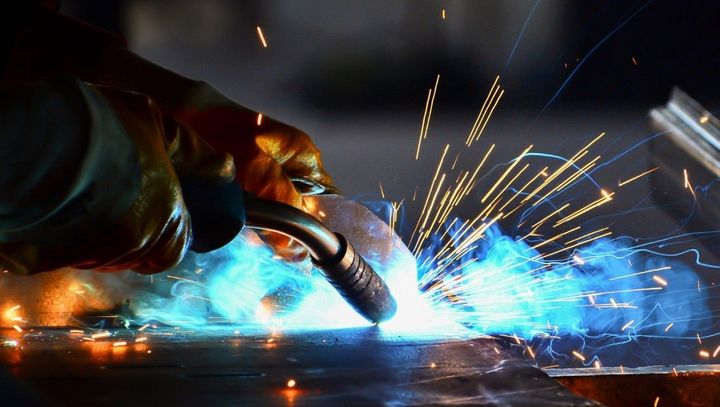
Welding machine rentals refer to the short-term use of welding equipment for industrial, construction, fabrication, or repair tasks without permanent ownership. This model exists to support flexibility in operations where equipment is needed for a limited duration, specific project scope, or specialized application.
Welding equipment varies widely, including arc welders, MIG welders, TIG welders, plasma cutters, and multi-process systems. Not every organization or individual needs continuous access to all types. Rentals help bridge this gap by providing access to appropriate tools when required.
This approach has grown alongside project-based work environments, where timelines and budgets fluctuate. It also aligns with broader trends in equipment leasing, asset-light operations, and shared industrial resources.
Common use cases include:
- Infrastructure repair and maintenance
- Fabrication workshops handling variable workloads
- Emergency or backup equipment needs
- Training and skill development programs
From a knowledge perspective, understanding welding machine rentals involves familiarity with equipment types, operational requirements, and safety compliance rather than ownership considerations.
Why Welding Machine Rentals Matter Today
Welding machine rentals play a key role in modern industrial workflows, particularly where operational flexibility is essential. They support efficiency by enabling access to the right equipment without long-term commitments.
Several factors highlight their relevance:
- Project variability: Construction and fabrication projects often require different welding processes at different stages.
- Technological advancement: Welding technology evolves rapidly, including inverter-based machines and automated systems. Rentals allow users to access updated equipment.
- Risk management: Temporary use reduces exposure to equipment obsolescence and maintenance complexity.
- Workforce training: Training institutes and certification programs use rental equipment to simulate real-world environments.
Industries most affected include:
- Construction and infrastructure development
- Manufacturing and heavy engineering
- Oil and gas maintenance
- Automotive repair and customization
These rentals help address practical challenges such as equipment downtime, peak workload demand, and specialized welding requirements. They also support compliance with workplace safety standards by enabling access to certified equipment.
Recent Updates and Industry Trends
Over the past year, several developments have influenced the welding equipment rental landscape. These changes reflect broader shifts in industrial technology and operational practices.
Digital Integration (2025):
Many rental providers have introduced digital tracking systems for equipment usage, maintenance logs, and performance monitoring. This improves transparency and operational efficiency.
Energy-Efficient Welding Machines:
There has been increased adoption of inverter welding machines, which are more energy-efficient and compact compared to traditional transformer-based units.
Automation and Smart Welding:
Robotic welding systems and semi-automated solutions are becoming more accessible through rental models, particularly in manufacturing environments.
Sustainability Focus:
Environmental regulations introduced in early 2025 have encouraged the use of energy-efficient and low-emission welding equipment. This has influenced the types of machines available in rental inventories.
Training and Certification Alignment:
Updated welding certification frameworks now emphasize hands-on training with modern equipment, increasing demand for short-term equipment access.
Data Snapshot: Equipment Trends
| Equipment Type | Usage Growth (2025) | Key Feature |
|---|---|---|
| Inverter Welders | High | Energy efficiency |
| MIG Welders | Moderate | Ease of use |
| TIG Welders | Moderate | Precision welding |
| Plasma Cutters | High | Clean cutting capability |
| Robotic Systems | Emerging | Automation and consistency |
These updates indicate a shift toward smarter, cleaner, and more adaptable welding solutions.
Laws, Regulations, and Compliance Considerations
Welding machine rentals are influenced by workplace safety regulations, environmental policies, and equipment certification standards. Compliance ensures safe operation and reduces risks associated with welding activities.
Key regulatory aspects include:
-
Occupational Safety Standards:
Welding operations must comply with workplace safety guidelines related to electrical safety, fire hazards, and protective equipment. -
Equipment Certification:
Rental equipment must meet recognized technical standards, including electrical safety certifications and operational testing requirements. -
Environmental Regulations:
Emission controls and energy efficiency standards affect the type of welding machines used, particularly in enclosed or sensitive environments. -
Training and Certification Requirements:
Operators are often required to hold valid welding certifications aligned with recognized industry standards. -
Inspection and Maintenance Protocols:
Regular inspection of welding machines is mandatory to ensure safe operation and compliance with regulatory frameworks.
Compliance Checklist Overview
| Compliance Area | Key Requirement |
|---|---|
| Electrical Safety | Grounding and insulation checks |
| Operator Training | Certified welding training |
| Equipment Inspection | Routine safety and performance tests |
| Environmental Rules | Emission and energy compliance |
| Protective Gear | Use of PPE such as helmets and gloves |
Understanding these policies is essential for safe and lawful use of rented welding equipment.
Tools and Resources for Welding Machine Rentals
A range of tools and resources can help individuals and organizations manage welding equipment rentals effectively. These tools support planning, safety, and operational efficiency.
Digital Tools and Platforms
- Equipment tracking software for monitoring usage and maintenance
- Welding parameter calculators for voltage, current, and material compatibility
- Mobile apps for safety guidelines and welding procedures
- Online documentation platforms for equipment manuals and compliance records
Educational Resources
- Welding certification programs and online courses
- Industry standards documentation and technical guides
- Safety training modules and instructional videos
Templates and Checklists
- Equipment inspection checklist
- Welding safety checklist
- Project planning templates for welding operations
Example: Welding Parameter Reference Table
| Material Type | Welding Process | Recommended Current Range |
|---|---|---|
| Mild Steel | MIG | 100–250 A |
| Stainless Steel | TIG | 50–200 A |
| Aluminum | TIG | 70–180 A |
| Cast Iron | Arc Welding | 90–160 A |
These resources help ensure proper equipment usage, safety compliance, and efficient workflow management.
Frequently Asked Questions
What types of welding machines are commonly available for rental?
Common options include MIG welders, TIG welders, arc welders, plasma cutters, and multi-process machines. The choice depends on the material and application.
Is training required to use rented welding equipment?
Yes, operators should have basic welding knowledge and, in many cases, formal certification. Proper training ensures safety and compliance with regulations.
How is safety maintained when using rental equipment?
Safety is maintained through regular equipment inspection, use of protective gear, adherence to safety guidelines, and proper handling of electrical systems.
Can rental equipment be used for industrial projects?
Yes, welding machine rentals are widely used in industrial applications, including construction, manufacturing, and maintenance projects.
What should be checked before using a rented welding machine?
Key checks include electrical connections, grounding, machine calibration, and overall condition. Reviewing the equipment manual is also important.
Conclusion
Welding machine rentals provide a flexible and practical solution for accessing specialized equipment across various industries. They support project-based work, technological adaptability, and compliance with safety standards.
As industrial practices evolve, the role of rental equipment continues to expand, driven by advancements in welding technology and increased emphasis on efficiency and sustainability. Understanding the basics, staying informed about recent trends, and following compliance guidelines are essential for safe and effective use.
By leveraging the right tools, resources, and knowledge, users can make informed decisions and maintain high standards of safety and performance in welding operations.