PCR Laboratory Equipment Guide: Essential Tools and Modern Insights
Learn about essential PCR laboratory equipment, modern advancements, compliance requirements, and important tools used in molecular diagnostics and laboratory testing.
Polymerase Chain Reaction, commonly called PCR, is one of the most important technologies in modern laboratory science. It is widely used to amplify small amounts of DNA, making genetic analysis faster and more accurate. PCR became highly recognized during infectious disease testing, especially after global health emergencies increased the demand for molecular diagnostics.
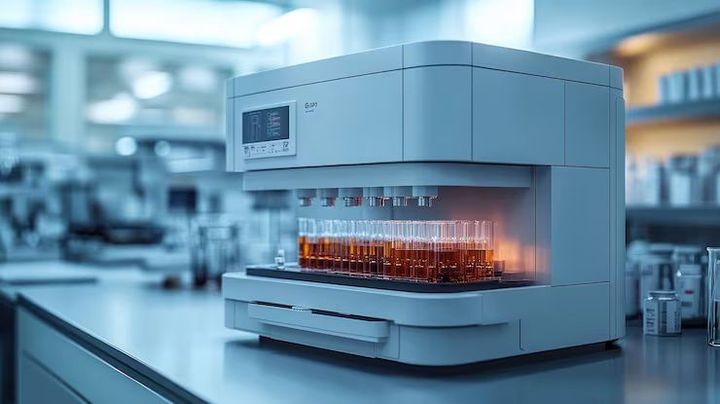
PCR laboratory equipment exists to support every step of the testing workflow, from sample preparation to DNA amplification and final analysis. These tools help researchers, diagnostic laboratories, academic institutions, and biotechnology facilities perform highly sensitive testing with reliable accuracy.
A standard PCR laboratory requires specialized equipment to maintain clean conditions and prevent contamination. Even minor errors in sample handling can affect test results. This is why modern laboratories rely on precision instruments and strict workflow management.
Common PCR Laboratory Equipment
| Equipment | Main Purpose |
|---|---|
| Thermal Cycler | Amplifies DNA through temperature cycles |
| Micropipettes | Transfers small liquid volumes |
| Centrifuge | Separates sample components |
| Biosafety Cabinet | Maintains contamination control |
| Gel Documentation System | Visualizes amplified DNA |
| Refrigeration Units | Preserves reagents and samples |
These tools form the backbone of molecular testing infrastructure.
Importance
PCR laboratory equipment matters because fast and accurate DNA analysis supports many critical industries. Healthcare laboratories use PCR for pathogen detection and genetic testing. Agricultural laboratories use it for crop research and food safety monitoring. Environmental scientists use it for microbial analysis and contamination studies.
The biggest problem PCR equipment solves is sensitivity. Traditional testing methods often require larger samples and longer processing times. PCR allows detection of extremely small genetic fragments, improving diagnostic speed and accuracy.
Key benefits include:
- Faster molecular diagnostics
- Improved laboratory automation
- Higher testing accuracy
- Better contamination control
- Scalable diagnostic workflows
High-performance laboratory automation has become increasingly important because testing volume continues to grow globally. Modern equipment now integrates digital monitoring, workflow tracking, and AI-assisted analysis to improve efficiency.
Recent Updates
PCR technology has evolved significantly over the past year.
Real-Time PCR Expansion
In 2025, real-time PCR systems became more common in diagnostic laboratories due to faster detection capabilities. These systems allow live monitoring during DNA amplification, reducing manual analysis.
AI-Powered Laboratory Analytics
Artificial intelligence is now helping laboratories optimize testing workflows. AI-based software can detect anomalies, predict maintenance needs, and improve equipment calibration.
Portable PCR Systems
Portable PCR devices gained attention during 2025 and 2026. Compact instruments enable field testing for agriculture, environmental monitoring, and outbreak response.
Automation Growth
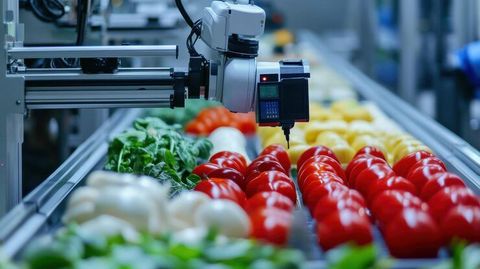
Robotic liquid handling systems are becoming increasingly common in high-throughput laboratories.
| Trend | Industry Impact |
|---|---|
| AI Analytics | Better data interpretation |
| Portable PCR | Faster field testing |
| Automation | Higher throughput |
| Digital Monitoring | Improved equipment efficiency |
These innovations are transforming molecular testing into a faster and more scalable process.
Laws and Policies
PCR laboratories operate under strict regulatory frameworks to ensure safety, reliability, and testing quality.
In many countries, molecular diagnostic laboratories must follow biosafety guidelines and laboratory accreditation standards. These frameworks define equipment maintenance, contamination control, and quality assurance procedures.
Important regulatory areas include:
Laboratory Safety Compliance
PCR labs often follow biosafety protocols for sample handling, waste disposal, and contamination prevention.
Equipment Calibration Standards
Regular calibration ensures instruments produce accurate and repeatable results.
Data Protection Rules
Digital laboratory systems handling genetic information may need to comply with privacy and data security regulations.
Government healthcare programs in many countries have also increased investment in molecular testing infrastructure since 2024, accelerating PCR equipment modernization.
Tools and Resources
Modern PCR laboratories use several digital and analytical resources to improve workflow management.
Helpful tools include:
- Laboratory Information Management Systems (LIMS)
- Sample tracking templates
- Temperature monitoring dashboards
- PCR cycle calculators
- Quality control checklists
- Laboratory workflow planners
Example PCR Workflow
Sample Collection → Sample Preparation → DNA Extraction → PCR Amplification → Result Analysis
Digital tools help reduce manual errors and improve laboratory efficiency. Automated reporting systems also support better data organization for large testing volumes.
FAQs
What is the most important PCR laboratory equipment?
The thermal cycler is usually considered the core PCR instrument because it controls the temperature cycles required for DNA amplification.
Why is contamination control important in PCR?
PCR is highly sensitive. Even tiny contamination can affect results, leading to inaccurate amplification.
What industries use PCR technology?
PCR is used in healthcare, biotechnology, agriculture, environmental research, and food safety laboratories.
What is real-time PCR?
Real-time PCR monitors DNA amplification during the reaction process, allowing faster and more precise analysis.
Is PCR laboratory equipment becoming automated?
Yes. Automation, robotics, and AI-driven workflow systems are becoming increasingly common in modern laboratories.
Conclusion
PCR laboratory equipment plays a central role in modern molecular diagnostics and scientific research. From thermal cyclers to digital workflow systems, these tools enable accurate DNA analysis across multiple industries.
Recent advances in AI, automation, and portable PCR systems are reshaping laboratory operations. As testing demands continue to rise, well-structured laboratory infrastructure and reliable equipment remain essential for accurate and efficient molecular analysis.