PCB Routing Machines and Automation Trends Guide
PCB routing machines are advanced industrial systems used to cut, separate, and shape printed circuit boards during electronics manufacturing. These machines are commonly used in industries such as telecommunications, automotive electronics, consumer devices, aerospace systems, and medical technology.
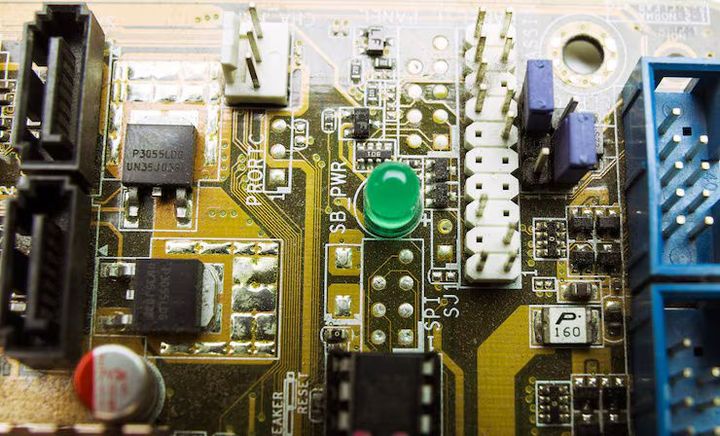
Printed circuit boards, often called PCBs, are the foundation of most electronic devices. They connect electronic components through conductive pathways and allow devices to function correctly. During manufacturing, large PCB panels are produced first and later separated into individual boards. PCB routing machines perform this separation process with precision and consistency.
Traditional PCB cutting methods relied heavily on manual operations or basic mechanical systems. As electronics became smaller and more complex, manufacturers began adopting automated routing technologies capable of handling delicate designs and tighter tolerances.
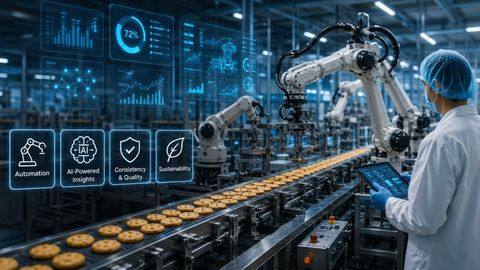
Modern PCB routing machines now include advanced automation features such as computer-controlled movement systems, optical alignment, precision spindles, and real-time monitoring tools. These technologies help improve manufacturing accuracy while reducing production interruptions.
Why PCB Routing Machines Matter Today
The demand for smart electronics and connected devices has increased significantly in recent years. This growth has made PCB manufacturing more important across global industries. PCB routing machines help manufacturers maintain production quality while supporting faster and more efficient workflows.
One of the main reasons these machines matter today is accuracy. Modern electronic devices require compact designs with very small components. Precision routing helps prevent damage to delicate circuits during the board separation process.
PCB routing systems also support manufacturing consistency. Automated systems reduce variations that may occur during manual handling. This consistency is important in industries where reliability and performance standards are strict.
Several industries depend heavily on advanced PCB routing technology, including:
- Automotive electronics and electric vehicles
- Consumer electronics manufacturing
- Industrial automation equipment
- Medical device production
- Telecommunications infrastructure
- Aerospace and defense systems
Another important advantage is production scalability. Manufacturers often need to handle large production volumes while maintaining quality standards. Automated routing systems help factories process thousands of circuit boards with minimal operational delays.
The increasing use of artificial intelligence, Internet of Things devices, and 5G communication technologies has also influenced PCB complexity. Routing machines are evolving to support multi-layer boards, compact layouts, and advanced material structures.
Key Features Found in Modern PCB Routing Systems
Modern PCB routing systems contain several advanced technologies designed to improve efficiency and precision.
| Feature | Purpose |
|---|---|
| CNC Control Systems | Improve cutting precision and movement accuracy |
| Vision Alignment Systems | Detect board positions automatically |
| Dust Collection Units | Reduce airborne particles during routing |
| Automated Tool Changers | Support continuous production workflows |
| Data Monitoring Software | Track machine performance and maintenance |
| Multi-Spindle Technology | Increase routing speed and productivity |
Many manufacturers are also integrating smart factory capabilities into PCB production systems. These systems can exchange operational data with centralized manufacturing platforms, improving process visibility and production management.
Recent Trends in PCB Routing Technology
Over the past year, several developments have influenced the PCB manufacturing sector. In 2025 and early 2026, automation and digital manufacturing technologies continued expanding across industrial production facilities.
One noticeable trend is the increased adoption of AI-assisted manufacturing systems. PCB routing machines are now being integrated with predictive maintenance software capable of detecting operational issues before production interruptions occur.
Another important development is the growth of compact electronics manufacturing. Devices such as wearable technology, electric vehicle components, and advanced sensors require highly precise PCB designs. This has encouraged manufacturers to invest in higher-speed routing systems with micro-level accuracy.
Sustainability has also become an important industry focus. Many manufacturers are working to reduce material waste and energy consumption during PCB production. New routing systems now include energy-efficient motors and optimized cutting algorithms that help minimize waste.
In 2025, several industrial manufacturing regions introduced incentives supporting smart factory upgrades. These programs encouraged factories to modernize production systems through automation and digital transformation technologies.
The use of cloud-connected monitoring platforms has also increased. Manufacturing teams can now review routing performance, maintenance schedules, and production statistics remotely through integrated software systems.
Automation Growth in PCB Manufacturing
The growth of automation in PCB manufacturing can be illustrated through recent industrial trends.
| Year | Automation Adoption Trend |
|---|---|
| 2022 | Moderate use of semi-automated systems |
| 2023 | Increased demand for smart manufacturing |
| 2024 | Expansion of AI-based production monitoring |
| 2025 | Growth in predictive maintenance integration |
| 2026 | Wider adoption of connected manufacturing systems |
Factories are increasingly prioritizing automated production environments to improve operational stability and support long-term manufacturing efficiency.
Regulations and Industry Policies Affecting PCB Manufacturing
PCB manufacturing is influenced by various environmental, safety, and industrial regulations. Different countries apply their own standards to electronic manufacturing operations.
Environmental regulations are especially important because PCB production involves chemical processes and industrial materials. Manufacturers are often required to manage waste responsibly and reduce hazardous substance usage.
Many regions follow international frameworks that limit the use of certain harmful materials in electronics manufacturing. These regulations encourage safer production practices and environmentally responsible manufacturing methods.
Workplace safety regulations also affect PCB routing operations. Factories must ensure machines include proper protective systems, dust control mechanisms, and emergency safety features.
Governments in several countries have also introduced policies encouraging industrial automation and smart manufacturing technologies. These initiatives aim to strengthen local electronics production capabilities and improve supply chain resilience.
Data security regulations are becoming increasingly relevant as manufacturing systems become more connected. Smart PCB routing systems that collect production data may need to comply with cybersecurity and digital infrastructure standards.
Manufacturers operating internationally often align production systems with multiple certification standards to support global supply chain requirements.
Helpful Tools and Resources for PCB Manufacturing Learning
Professionals and students interested in PCB manufacturing often use various tools and learning resources to understand routing technologies and production workflows.
Some commonly used resources include:
- PCB design simulation software
- CNC programming tutorials
- Manufacturing process calculators
- Industrial automation learning platforms
- Electronics engineering documentation templates
- Production workflow analysis tools
- Maintenance tracking systems
- Smart factory monitoring dashboards
Educational institutions and technical training programs are also expanding courses related to PCB manufacturing automation and industrial electronics engineering.
Digital learning platforms now provide easier access to tutorials explaining routing machine operations, PCB layout optimization, and electronics production principles.
Common Challenges in PCB Routing Operations
Although routing technology has improved significantly, manufacturers still face several operational challenges.
One challenge involves maintaining routing precision for extremely small and dense PCB layouts. As devices continue becoming smaller, routing systems must operate with tighter tolerances.
Tool wear management is another important factor. Routing bits experience wear over time, which can affect cutting accuracy and production quality if not monitored carefully.
Dust generation during routing operations also requires attention. Advanced dust collection systems help reduce contamination risks and support cleaner manufacturing environments.
Another challenge is balancing production speed with accuracy. Faster routing speeds can improve output efficiency, but maintaining precision remains critical for high-quality PCB manufacturing.
To address these challenges, manufacturers continue investing in advanced monitoring systems, automated calibration tools, and machine learning-based maintenance technologies.
Frequently Asked Questions
What is a PCB routing machine used for?
A PCB routing machine is used to cut and separate printed circuit boards from larger production panels during electronics manufacturing. It helps create accurate board shapes and clean edges.
Why is automation important in PCB manufacturing?
Automation improves manufacturing consistency, production speed, and routing accuracy. It also reduces manual handling and supports large-scale electronics production.
Which industries use PCB routing machines?
Industries such as automotive electronics, medical devices, aerospace systems, telecommunications, and consumer electronics commonly use PCB routing systems.
What are the latest trends in PCB routing technology?
Recent trends include AI-assisted monitoring, predictive maintenance systems, smart factory integration, cloud-connected manufacturing platforms, and energy-efficient routing technologies.
How do regulations affect PCB manufacturing?
Regulations influence environmental practices, workplace safety standards, hazardous material management, and cybersecurity requirements in connected manufacturing systems.
Conclusion
PCB routing machines play a critical role in modern electronics manufacturing. As electronic devices become smaller, smarter, and more complex, routing technologies continue evolving to support precision production requirements.
Automation, AI integration, predictive maintenance, and smart manufacturing systems are shaping the future of PCB production. These technologies help improve operational consistency while supporting efficient manufacturing workflows across multiple industries.