Paper Bag Machine Overview for Manufacturing
The growing focus on sustainable packaging has increased interest in paper-based products across many industries. Businesses involved in food packaging, retail packaging, grocery distribution, and industrial wrapping are exploring alternatives to plastic materials. As a result, the role of the paper bag machine has become more important in modern manufacturing environments.
A paper bag manufacturing setup supports the production of eco-conscious packaging materials while improving consistency and productivity. From small workshops to large-scale production facilities, different types of paper bag maker systems are used to create bags in multiple sizes and styles. Understanding how these machines work can help manufacturers select suitable production methods and packaging solutions.
Understanding Paper Bag Manufacturing
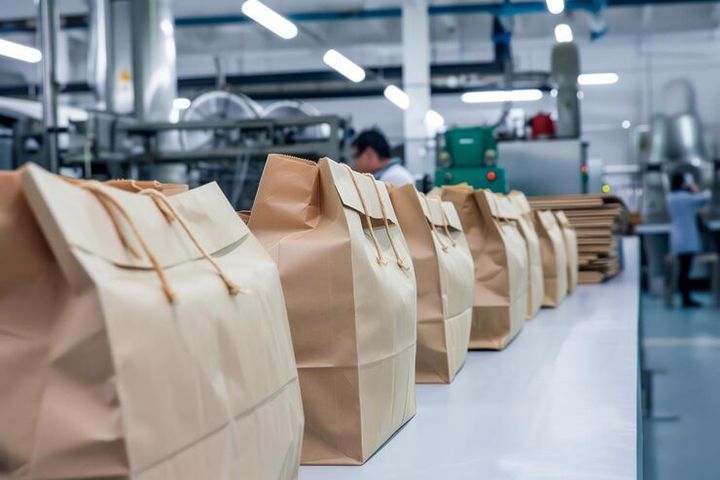
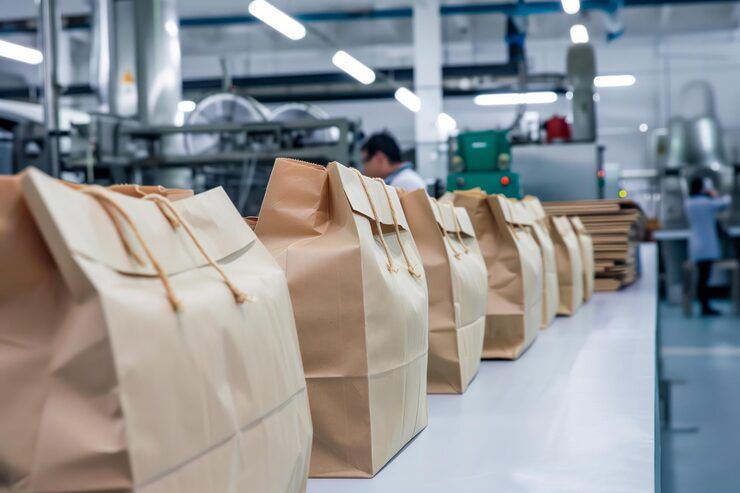
Paper bag manufacturing is the process of converting paper rolls or sheets into usable bags for packaging applications. The process includes paper feeding, folding, gluing, cutting, printing, and shaping. Modern machines automate these operations to improve speed and reduce material waste.
Many industries use paper bags because they are recyclable, lightweight, and suitable for branding. Restaurants, bakeries, pharmacies, grocery stores, and clothing retailers commonly rely on paper packaging materials.
The manufacturing process can vary depending on bag design. Flat bags, square-bottom bags, shopping bags, and handled bags all require different production methods and machine configurations.
Main Components of a Paper Bag Machine
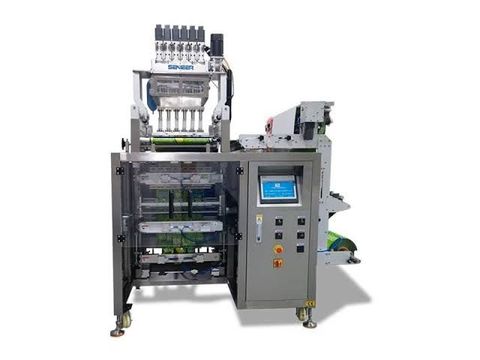
A paper bag machine typically includes several integrated systems that work together during production. These parts help ensure smooth operation and consistent bag quality.
Common machine components include:
- Paper roll feeding unit
- Printing section
- Folding mechanism
- Glue application system
- Cutting section
- Bottom forming unit
- Bag collection area
Advanced paper packaging machinery may also include touch-screen controls, automatic tension adjustment, and sensor-based monitoring systems.
Types of Paper Bag Maker Machines
Different manufacturing requirements lead to the use of specialized equipment. Selecting the correct machine depends on production capacity, paper type, and bag dimensions.
| Machine Type | Common Use | Key Feature |
|---|---|---|
| Flat Paper Bag Machine | Food packaging and pharmacy bags | Compact bag structure |
| Square Bottom Bag Machine | Grocery and shopping bags | Strong carrying capacity |
| Handle Bag Machine | Retail shopping bags | Integrated handle attachment |
| Newspaper Bag Making Machine | Lightweight packaging | Uses recycled newspaper paper |
| Small Paper Bag Making Machine | Small-scale production | Space-efficient design |
Each type of paper bag maker supports specific industrial applications. Some machines are designed for high-speed manufacturing, while others focus on flexibility and smaller production batches.
Small Paper Bag Making Machine Applications
A small paper bag making machine is commonly used in local packaging operations and compact manufacturing facilities. These machines require less installation space and are suitable for limited production environments.
Small machines are often preferred for:
- Boutique retail packaging
- Bakery and snack packaging
- Local grocery stores
- Educational production setups
- Eco-friendly packaging initiatives
Even though these systems are compact, many models still include automatic feeding and cutting functions to improve operational efficiency.
Role of Newspaper Bag Making Machine in Recycling
A newspaper bag making machine supports recycling-focused packaging production by converting newspaper paper into usable bags. These bags are frequently used in local markets, bookstores, and lightweight packaging applications.
Using newspaper materials reduces paper waste and supports environmentally conscious manufacturing practices. In many regions, recycled newspaper bags are becoming popular alternatives to single-use plastic packaging.
The machine process generally includes:
- Feeding newspaper sheets or rolls
- Folding the material
- Applying adhesive
- Forming the bag shape
- Cutting and stacking finished bags
These machines are valued for their simplicity and efficient use of recycled materials.
Production Workflow in Paper Packaging Machinery
Modern paper packaging machinery follows a structured workflow designed for continuous production. Automation reduces manual handling while improving output consistency.
The production cycle usually includes the following stages:
| Production Stage | Function |
|---|---|
| Paper Feeding | Supplies raw paper into the system |
| Printing | Adds logos or design elements |
| Folding | Shapes the paper structure |
| Gluing | Secures edges and bottom |
| Cutting | Creates bag dimensions |
| Final Collection | Organizes completed bags |
Advanced machines use sensors and digital controls to monitor alignment and adhesive placement during operation.
Manufacturers often prioritize machines with adjustable settings because they allow quick changes between different bag sizes and designs.
Importance of Automation in Paper Bag Manufacturing
Automation plays a major role in modern paper bag manufacturing because it improves speed, precision, and operational efficiency. Automated systems reduce manual labor while maintaining uniform bag dimensions.
Some advantages of automated machinery include:
- Faster production cycles
- Consistent product quality
- Reduced material waste
- Lower error rates
- Easier production monitoring
Digital interfaces and programmable settings also help operators manage multiple production configurations more effectively.
Manufacturing facilities handling large packaging volumes often use high-speed automated systems capable of producing thousands of bags per hour.
Materials Used in Paper Bag Production
The choice of raw material directly affects bag strength, appearance, and durability. Different paper grades are selected depending on packaging requirements.
Common materials include:
- Kraft paper
- Recycled paper
- Brown paper
- White paper
- Coated paper
- Newspaper paper
Kraft paper is widely used because of its durability and flexibility. Recycled paper is often selected for environmentally focused packaging applications.
Material thickness also influences machine compatibility. Paper packaging machinery is generally configured to handle specific GSM ranges for optimal performance.
Features Commonly Found in Modern Machines
Modern paper bag maker systems include several features that improve manufacturing control and production reliability.
Popular machine features include:
- Automatic counting systems
- Servo motor technology
- Touch-screen operation panels
- Adjustable bag sizing
- High-speed cutting units
- Error detection sensors
Some machines also support inline printing systems that allow manufacturers to add branding during the production process.
Energy-efficient motors and optimized glue systems are increasingly common in newer equipment designs.
Industrial Uses of Paper Bags
Paper bags are used in a wide range of industries because they support packaging, transportation, and branding requirements.
Industries using paper bags include:
- Food and beverage
- Grocery distribution
- Fashion retail
- Pharmaceutical packaging
- Agricultural products
- Gift packaging
The flexibility of paper bag manufacturing allows businesses to customize bags based on size, weight capacity, and visual appearance.
Many organizations also prefer paper packaging because it aligns with sustainability goals and environmental regulations.
Factors That Influence Machine Selection
Choosing suitable paper packaging machinery requires careful evaluation of production goals and technical specifications.
Manufacturers often consider the following factors:
| Selection Factor | Importance |
|---|---|
| Production Capacity | Determines output volume |
| Paper Compatibility | Supports different paper types |
| Automation Level | Affects labor requirements |
| Machine Size | Impacts installation space |
| Maintenance Needs | Influences operational efficiency |
| Bag Design Support | Allows multiple bag formats |
Production scale is usually the most important consideration. Large facilities may prioritize high-speed machines, while smaller operations may focus on flexibility and space-saving designs.
Maintenance and Operational Efficiency
Routine maintenance is essential for maintaining machine performance and extending equipment lifespan. Proper care also reduces production interruptions.
Important maintenance practices include:
- Cleaning glue systems regularly
- Inspecting rollers and blades
- Monitoring motor performance
- Lubricating moving parts
- Checking alignment systems
Operators should also follow recommended maintenance schedules to prevent wear-related issues.
Modern machines often include monitoring systems that alert operators when servicing is required.
Environmental Impact of Paper Packaging
Paper packaging has become an important part of sustainable manufacturing discussions. Many industries are transitioning toward recyclable and biodegradable packaging materials.
Paper bags can often be reused and recycled more easily than many plastic alternatives. This contributes to reduced environmental waste and improved resource management.
Paper bag manufacturing also supports circular economy initiatives when recycled paper materials are included in production.
However, efficient manufacturing practices remain important. Reducing paper waste, optimizing energy use, and improving material recovery all contribute to environmentally responsible production.
Future Trends in Paper Bag Manufacturing
The paper packaging industry continues to evolve as manufacturers adopt new technologies and sustainability practices.
Several trends are shaping the future of paper bag manufacturing:
- Increased automation
- Smart production monitoring
- Energy-efficient machinery
- Lightweight paper materials
- Improved printing integration
- Faster production speeds
Digital control systems are becoming more common in paper packaging machinery because they help improve operational accuracy and production tracking.
Demand for recyclable packaging is also encouraging innovation in machine design and material handling systems.
Conclusion
The paper bag machine industry plays a significant role in modern packaging manufacturing. From compact small paper bag making machine models to advanced automated paper packaging machinery, these systems support efficient and environmentally conscious production.
As industries continue shifting toward sustainable packaging methods, paper bag manufacturing is expected to remain an important part of packaging operations worldwide. Machines designed for flexibility, automation, and material efficiency help manufacturers meet changing packaging requirements while supporting responsible production practices.
Whether using a newspaper bag making machine for recycled packaging or a high-speed automated paper bag maker for large-scale operations, understanding machine functions and manufacturing workflows is essential for efficient packaging production.