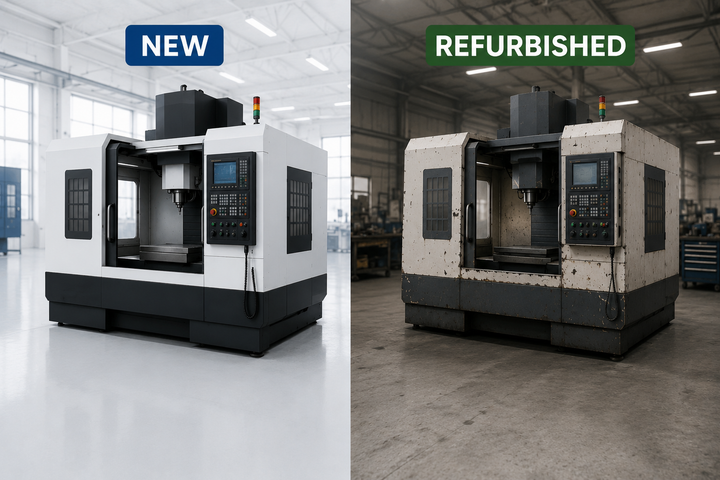
New vs Refurbished Industrial Machines Knowledge Hub: Industry Trends, Equipment Evaluation, and Manufacturing Insights
Industrial machines are the foundation of modern manufacturing, production, packaging, material processing, and industrial automation. These systems help businesses perform repetitive, high-volume, and precision-oriented tasks across various sectors including automotive manufacturing, food processing, pharmaceuticals, electronics, textiles, and metal fabrication.
As manufacturing technologies continue to evolve, organizations often evaluate different equipment acquisition strategies. Discussions frequently focus on the differences between newly manufactured machinery and professionally refurbished equipment.
Understanding these equipment categories can help industry professionals better understand manufacturing operations, equipment life cycles, technological advancements, and maintenance requirements.
Why Equipment Evaluation Matters Today
Manufacturing facilities depend heavily on machinery performance, reliability, productivity, and operational continuity.
Equipment evaluation is important because it influences:
- Production efficiency
- Manufacturing quality
- Operational planning
- Technology adoption
- Maintenance strategies
- Automation integration
- Workplace safety
- Equipment lifecycle management
As Industry 4.0 technologies become increasingly common, equipment assessment remains an important part of manufacturing decision-making.
What Are New Industrial Machines?
New industrial machines are equipment systems manufactured using current production standards and technologies. These machines are typically designed to incorporate the latest engineering developments, automation capabilities, safety systems, and software integrations.
Characteristics often associated with new machinery include:
- Modern control systems
- Current manufacturing standards
- Advanced automation capabilities
- Updated safety features
- Digital monitoring systems
- Enhanced connectivity options
New equipment frequently reflects the most recent technological innovations available at the time of production.
What Are Refurbished Industrial Machines?
Refurbished industrial machines are previously operated equipment systems that have undergone inspection, restoration, repair, upgrading, testing, and reconditioning processes.
Refurbishment activities may include:
- Mechanical restoration
- Component replacement
- Control system upgrades
- Software modernization
- Performance testing
- Safety inspections
- Cosmetic restoration
The scope of refurbishment varies depending on the machine type, industry requirements, and technical objectives.
Comparing Equipment Characteristics
The following chart illustrates common areas often evaluated when comparing industrial equipment categories.
While every manufacturing environment is unique, these factors are commonly discussed during equipment assessments.
Technology and Automation Features
Modern industrial equipment increasingly incorporates advanced technologies.
Common innovations include:
- Industrial Internet of Things (IIoT)
- Artificial intelligence analytics
- Predictive maintenance systems
- Machine vision technologies
- Remote diagnostics
- Cloud-based monitoring
- Digital twins
- Smart sensors
Newer equipment often integrates these technologies directly, while some refurbished systems may receive technology upgrades during modernization projects.
Industry 4.0 and Smart Manufacturing
Industry 4.0 refers to the integration of digital technologies into manufacturing operations.
Key Industry 4.0 components include:
| Technology | Purpose |
|---|---|
| IIoT Sensors | Real-time data collection |
| AI Analytics | Operational insights |
| Robotics | Automated processes |
| Digital Twins | Virtual equipment models |
| Cloud Platforms | Data accessibility |
| Predictive Maintenance | Equipment monitoring |
Both new and upgraded machinery may participate in smart manufacturing ecosystems.
Equipment Lifecycle Considerations
Industrial machines often operate for many years when properly maintained.
A typical lifecycle may involve:
- Installation and commissioning
- Operational use
- Preventive maintenance
- Component replacement
- System upgrades
- Refurbishment activities
- Continued operation
Lifecycle management helps organizations maximize equipment performance and operational longevity.
Safety Systems and Compliance
Industrial machinery is subject to various safety requirements and operational standards.
Common safety technologies include:
- Emergency stop systems
- Machine guarding
- Safety interlocks
- Operator monitoring systems
- Hazard detection technologies
- Lockout and isolation mechanisms
Manufacturing facilities typically evaluate equipment safety alongside operational performance.
Energy Efficiency and Sustainability
Environmental considerations increasingly influence manufacturing technologies.
Recent developments include:
- Energy-efficient motors
- Variable frequency drives
- Smart power management
- Resource optimization technologies
- Automated monitoring systems
- Sustainable manufacturing practices
Both newly manufactured and modernized equipment may incorporate sustainability-focused features.
Recent Industry Trends (2025–2026)
The industrial machinery sector continues to evolve through technological innovation.
Recent trends include:
- Increased AI integration
- Expansion of predictive maintenance platforms
- Greater adoption of robotics
- Enhanced machine connectivity
- Growth of digital manufacturing ecosystems
- Advanced cybersecurity measures
- Smart factory modernization projects
- Increased use of industrial analytics
These developments are shaping the future of manufacturing and industrial operations.
Examples of Industrial Machinery Manufacturers
The global industrial equipment sector includes numerous manufacturers involved in automation, machinery design, robotics, and industrial engineering.
Examples frequently referenced in manufacturing discussions include:
- Siemens
- ABB
- Rockwell Automation
- Schneider Electric
- FANUC
- Mitsubishi Electric
- Bosch Rexroth
These organizations are mentioned solely as examples of participants within the industrial machinery ecosystem and not as recommendations, rankings, endorsements, or comparative evaluations.
Regulations and Manufacturing Standards
Industrial equipment is commonly influenced by various regulations and standards.
Important areas include:
- Workplace safety regulations
- Machinery directives
- Electrical safety standards
- Environmental compliance requirements
- Occupational health guidelines
- Equipment certification programs
- Industrial cybersecurity frameworks
Regulatory requirements vary depending on jurisdiction and industry sector.
Tools and Resources
Manufacturing professionals often utilize specialized tools and resources for equipment evaluation.
Common resources include:
- Asset management software
- Predictive maintenance platforms
- Industrial monitoring systems
- Equipment inspection checklists
- Digital twin applications
- Production analytics dashboards
- Manufacturing execution systems (MES)
- Computerized maintenance management systems (CMMS)
These tools support operational visibility and equipment management.
Key Factors in Equipment Assessment
| Evaluation Area | Focus |
|---|---|
| Reliability | Operational consistency |
| Automation | Smart manufacturing capabilities |
| Safety | Compliance and protection |
| Connectivity | Data integration |
| Maintenance | Lifecycle management |
| Efficiency | Resource utilization |
These factors are frequently considered during industrial equipment reviews.
Frequently Asked Questions
What is a refurbished industrial machine?
A refurbished industrial machine is equipment that has undergone inspection, restoration, repair, testing, and modernization processes after previous operational use.
How does Industry 4.0 affect industrial machinery?
Industry 4.0 introduces technologies such as AI, IoT sensors, cloud platforms, and predictive maintenance systems that enhance manufacturing operations.
What is predictive maintenance?
Predictive maintenance uses sensor data and analytics to identify potential equipment issues before failures occur.
Can refurbished machines include modern technologies?
Depending on the refurbishment process, some machines may receive upgraded controls, automation systems, sensors, and software integrations.
Why are safety systems important in industrial equipment?
Safety technologies help reduce operational risks, support compliance requirements, and contribute to safer workplace environments.
Conclusion
Industrial machinery continues to play a central role in manufacturing, automation, and production environments worldwide. Whether discussing newly manufactured equipment or professionally refurbished systems, modern machinery increasingly incorporates advanced technologies such as artificial intelligence, predictive analytics, industrial connectivity, and smart automation.
As Industry 4.0 initiatives expand and digital manufacturing evolves, understanding equipment lifecycles, modernization strategies, safety requirements, and emerging technologies provides valuable insight into the future of industrial operations. Knowledge of these concepts helps professionals better understand how manufacturing equipment contributes to productivity, innovation, and operational efficiency.
Disclaimer
This article is intended solely for informational and educational purposes. It does not promote, endorse, compare, rank, recommend, market, or encourage the acquisition, use, replacement, refurbishment, or selection of any industrial machine, manufacturer, technology provider, or equipment category. Company names are mentioned only as examples of organizations participating in the industrial technology sector. This content should not be considered engineering, manufacturing, operational, legal, financial, regulatory, procurement, safety, or professional advice. Readers should consult qualified experts and applicable authorities regarding specific equipment, compliance, safety, operational, or technical matters.