Medical Equipment Manufacturing Machines: Guide to Advanced MedTech Production
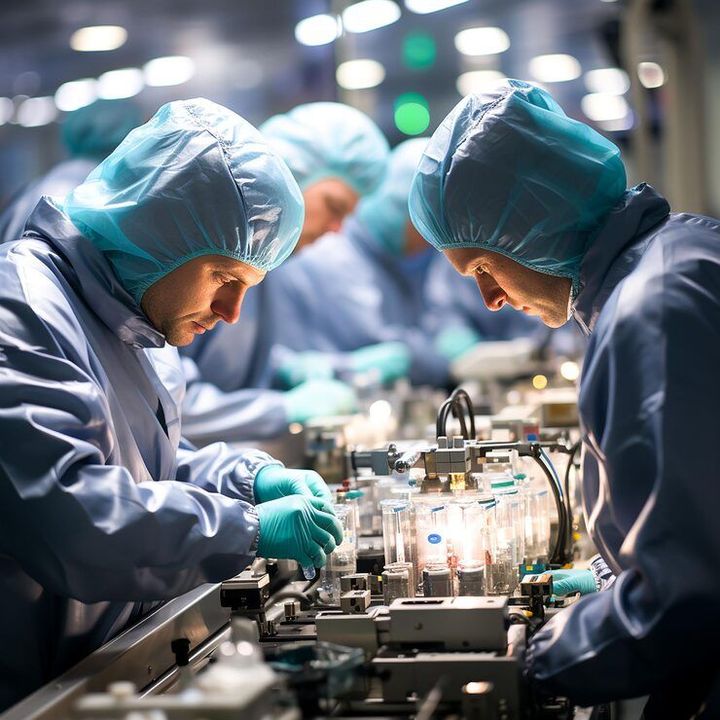
Medical equipment manufacturing machines are specialized systems used to produce, shape, assemble, inspect, package, and process components for medical devices and healthcare equipment. They support the production of products ranging from diagnostic instruments and surgical tools to hospital equipment, laboratory devices, implants, and monitoring systems.
The medical technology industry requires a high level of precision because manufactured components can directly affect device safety, reliability, and performance. Even a small variation in dimensions, surface quality, material properties, or assembly can influence how a medical device functions.
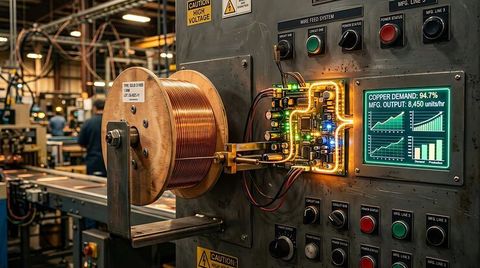
Manufacturing machinery helps create controlled and repeatable production environments. Depending on the product, manufacturers may use CNC machining systems, injection molding machines, laser processing equipment, automated assembly systems, cleanroom equipment, inspection machines, sterilization systems, and packaging machinery.
Some common machine categories include:
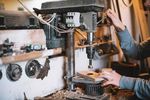
- CNC machining systems for precise metal and polymer components
- Injection molding machines for medical-grade plastic parts
- Laser cutting and marking equipment
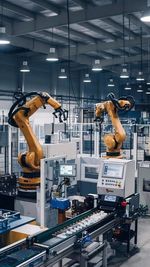
- Automated assembly machines
- Ultrasonic welding equipment
- Precision grinding and polishing systems
- Cleanroom manufacturing equipment
- Vision inspection systems
- Sterilization and decontamination equipment
- Medical packaging and sealing machines
- Additive manufacturing systems for selected components and prototypes
The exact equipment depends on the device classification, material, production volume, design requirements, and applicable quality controls.
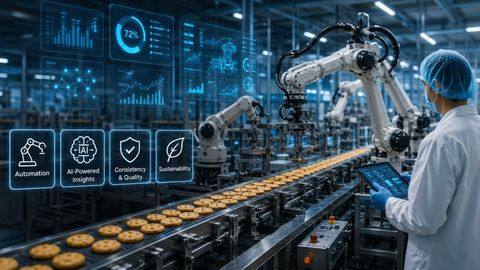
Modern medical equipment manufacturing is increasingly connected with automation, digital monitoring, robotics, machine vision, and data-based quality management. These technologies can help manufacturers maintain consistent production processes while generating useful manufacturing records.
Why Medical Manufacturing Machines Matter Today
The importance of medical equipment manufacturing machines has increased as healthcare systems require reliable diagnostic, monitoring, surgical, laboratory, and therapeutic equipment.
Manufacturing machinery affects several parts of the MedTech ecosystem. Device designers need production methods that can reproduce precise designs. Quality teams need inspection systems that can identify variations. Production teams need controlled processes that support consistency. Regulatory teams need documented evidence that manufacturing processes meet applicable requirements.
Advanced manufacturing equipment can address several practical challenges.
Precision and repeatability:
Computer-controlled machines can maintain consistent dimensions and production parameters across repeated manufacturing cycles. This is particularly important for small components, connectors, surgical instruments, and other precision parts.
Quality inspection:
Machine vision, dimensional measurement systems, and automated inspection equipment can identify defects or deviations that may be difficult to detect through manual inspection alone.
Production automation:
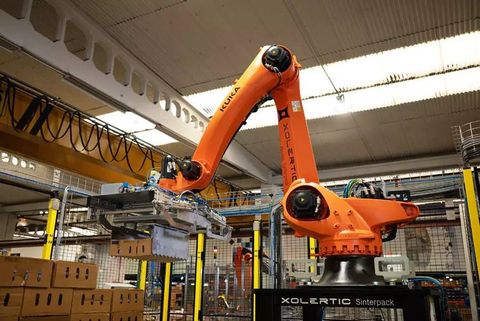
Automated handling and assembly systems can reduce unnecessary manual steps and improve process consistency. Automation can also support controlled environments where minimizing contamination is important.
Traceability:
Modern production systems can record process parameters, inspection results, batch information, and equipment status. Such records can support quality management and regulatory documentation.
Complex component production:
CNC machining, laser processing, and additive manufacturing can produce geometries that may be difficult to manufacture using conventional methods.
Medical manufacturing machines therefore form an important connection between product design, engineering, quality assurance, and regulatory compliance.
Major Types of Medical Equipment Manufacturing Machines
The machinery used in MedTech production varies significantly according to the device.
CNC Machining Machines:
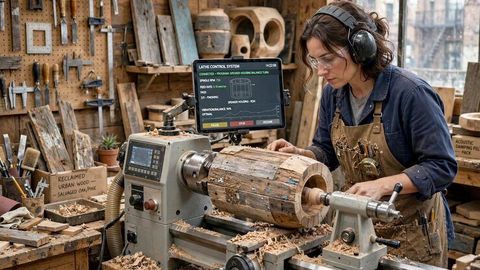
CNC systems are used for accurately machining metals, polymers, and other engineering materials. Milling, turning, drilling, and multi-axis machining can be applied to different medical components.
Injection Molding Machines:
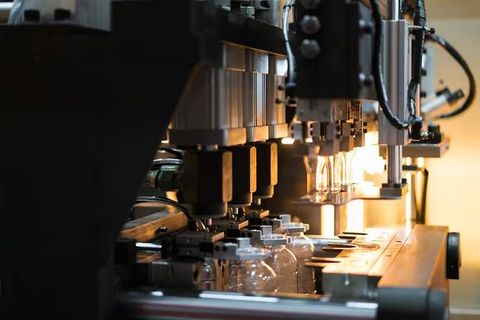
Injection molding is widely used for selected medical plastic components. Controlled temperature, pressure, mold design, and material handling are important for achieving consistent results.
Laser Processing Machines:
Laser systems can support cutting, marking, welding, engraving, and other precision applications. Laser parameters need to be carefully controlled according to the material and intended application.
Automated Assembly Machines:
Automated assembly equipment can position, join, inspect, and transfer components. Robotics and programmable systems may be integrated into larger production lines.
Inspection and Metrology Equipment:
Coordinate measuring machines, optical inspection systems, microscopes, surface measurement instruments, and automated vision systems help verify dimensions and product characteristics.
Additive Manufacturing Systems:
3D printing technologies can support prototyping, selected production components, tooling, and customized medical applications. The suitability of additive manufacturing depends on material, device requirements, validation, and regulatory considerations.
Recent Medical Manufacturing Trends
Medical equipment manufacturing has continued to evolve during 2025 and 2026, particularly around automation, regulatory modernization, digital manufacturing, and advanced production technologies.
In India, the Central Drugs Standard Control Organization (CDSCO) published several medical-device-related updates during 2025. These included updated risk-classification materials, guidance related to outsourced sterilization, and provisions concerning export-related documentation.
On June 23, 2026, CDSCO listed a draft notification concerning amendments to the Medical Devices Rules, 2017. Because this was identified as a draft notification, manufacturers should distinguish proposed changes from requirements already in force.
Automation and artificial intelligence are also becoming more relevant to manufacturing operations. Industry reporting during 2025 highlighted growing interest in AI, digital transformation, and advanced manufacturing capabilities within the broader healthcare and MedTech ecosystem.
Another developing area is connected manufacturing. Sensors, machine monitoring, digital records, automated inspection, and production analytics can provide manufacturers with greater visibility into equipment performance and process variation.
The growing use of additive manufacturing is also creating new possibilities for prototyping and selected medical applications. However, advanced technology does not automatically make a manufacturing process compliant. Validation, material control, process qualification, inspection, documentation, and risk management remain essential.
Laws and Policies Affecting Medical Equipment Manufacturing in India
In India, medical devices are regulated under the Medical Devices Rules, 2017, administered through the applicable regulatory framework of the Ministry of Health and Family Welfare and CDSCO. CDSCO maintains the Medical Devices Rules and related notifications, guidance documents, classifications, and regulatory information.
Medical devices are generally subject to regulatory requirements based on their classification and intended use. Risk-based classification is an important part of determining applicable regulatory controls.
Manufacturers should consider areas such as:
- Device classification
- Manufacturing licensing requirements
- Quality management systems
- Product testing and evaluation
- Technical documentation
- Risk management
- Post-market surveillance
- Adverse-event reporting
- Labeling and documentation
- Sterilization controls where applicable
- Inspection and regulatory compliance
CDSCO also published a June 24, 2025 document addressing requirements for outsourcing sterilization activities by medical-device manufacturers under the Medical Devices Rules, 2017.
A November 17, 2025 CDSCO circular also addressed licensing requirements in the procurement of medical devices and emphasized the regulatory framework applicable to medical-device manufacturing and distribution in India.
Manufacturers should always verify the latest applicable notification, rule, classification, and licensing requirement before making regulatory decisions because requirements can change.
Tools and Resources for Medical Equipment Manufacturing
Several categories of tools can support medical manufacturing planning and quality activities.
Design and engineering tools:
CAD platforms, simulation software, tolerance analysis tools, and digital prototyping systems can help develop and evaluate component designs.
Manufacturing planning tools:
Production planning software, machine-monitoring platforms, maintenance schedules, process documentation templates, and workflow management tools can support manufacturing operations.
Quality tools:
Statistical process control, measurement-system analysis, inspection checklists, nonconformance records, corrective-action templates, and risk-management worksheets can support quality activities.
Regulatory resources:
Manufacturers operating in India can consult official CDSCO notifications, Medical Devices Rules, classification documents, licensing guidance, and medical-device regulatory updates.
Measurement equipment:
Coordinate measuring machines, optical measurement systems, digital microscopes, surface measurement equipment, gauges, and calibration tools can support dimensional and quality verification.
Learning resources:
Technical standards, regulatory guidance documents, engineering textbooks, manufacturing training materials, quality-management frameworks, and professional educational resources can help teams understand medical-device production requirements.
Frequently Asked Questions
What machines are commonly used in medical equipment manufacturing?
Common equipment includes CNC machines, injection molding machines, laser processing systems, automated assembly machines, inspection equipment, packaging systems, sterilization equipment, and selected additive manufacturing systems.
Why is precision important in medical device manufacturing?
Precision helps ensure that components meet their intended dimensional, functional, and performance requirements. Consistent manufacturing is especially important when component variation could affect device operation or safety.
Is automation required for medical equipment manufacturing?
Automation is not universally required. The appropriate level depends on the product, process, production volume, risk profile, quality requirements, and regulatory expectations. Manual, semi-automated, and fully automated processes can all be appropriate when properly controlled.
What regulations apply to medical devices in India?
Medical devices in India are regulated under the Medical Devices Rules, 2017, with requirements varying according to device classification and intended use. CDSCO publishes applicable rules, notifications, guidance, and classification information.
How is AI being used in medical manufacturing?
AI can support areas such as visual inspection, predictive maintenance, process monitoring, production analytics, anomaly detection, and manufacturing planning. Its use should be appropriately validated for the specific application.
Conclusion
Medical equipment manufacturing machines provide the technological foundation for producing precise, consistent, and controlled healthcare devices. From CNC machining and injection molding to automated assembly, laser processing, inspection, and additive manufacturing, different technologies address different production requirements.
Disclaimer: The information provided in this article is for informational purposes only. We do not make any claims or guarantees regarding the accuracy, reliability, or completeness of the information presented. The content is not intended as professional advice and should not be relied upon as such. Readers are encouraged to conduct their own research and consult with appropriate professionals before making any decisions based on the information provided in this article.