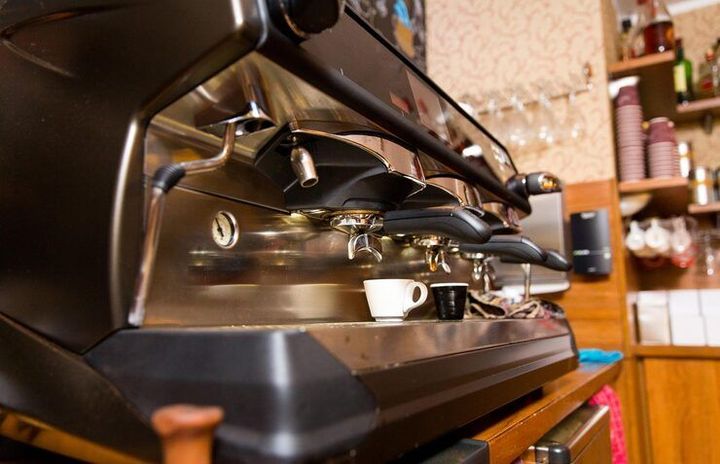
Mastering Commercial Espresso Machines: Essential Knowledge
Commercial espresso machines play a key role in preparing consistent espresso-based beverages in cafés, restaurants, hotels, and workplaces. Understanding their features, operation, maintenance, and industry developments helps readers appreciate modern coffee preparation while supporting informed decisions.
Commercial espresso machines are professional coffee preparation systems designed to produce espresso efficiently and consistently throughout the day. Unlike household machines, these systems are built for continuous operation, higher beverage output, and precise brewing control.
The development of commercial espresso machines reflects the growing demand for high-quality coffee across cafés, restaurants, hotels, offices, and hospitality environments. Over time, innovations such as digital temperature management, programmable brewing, automatic cleaning cycles, and energy-saving technology have improved both beverage consistency and operational efficiency.
Today, commercial coffee equipment combines mechanical engineering with digital controls to support accurate extraction and reliable performance.
Why Commercial Espresso Machines Matter
Importance in Modern Food and Beverage Operations
Coffee consumption continues to grow worldwide, making commercial espresso machines an important part of many professional environments. Consistent espresso preparation improves beverage quality while reducing variation between servings.
These machines benefit:
- Cafés and coffee houses
- Restaurants
- Hotels
- Corporate workplaces
- Educational institutions
- Hospitality facilities
They also help address common operational challenges, including:
- Consistent extraction quality
- Temperature stability
- Faster beverage preparation
- Improved workflow
- Better water management
- Reduced equipment downtime through preventive maintenance
Common Features
| Feature | Purpose |
|---|---|
| PID Temperature Control | Maintains stable brewing temperature |
| Multiple Group Heads | Supports simultaneous brewing |
| Pressure Monitoring | Helps maintain extraction consistency |
| Steam Wand | Produces milk foam for specialty beverages |
| Automatic Cleaning Programs | Simplifies routine maintenance |
| Water Filtration Compatibility | Improves machine longevity |
Recent Industry Updates
Commercial Espresso Machine Trends
During 2025–2026, several developments have influenced commercial coffee equipment across the global hospitality sector.
Growing Energy Efficiency
Manufacturers continue improving insulation, standby modes, and intelligent heating systems to reduce electricity consumption.
Smart Monitoring
Many professional machines now support cloud monitoring, allowing operators to review brewing statistics, maintenance reminders, and machine performance through connected dashboards.
Improved Water Management
Advanced filtration systems and water-quality monitoring have become increasingly important because mineral content directly affects espresso flavor and equipment durability.
Automation
Automatic milk texturing, programmable recipes, and digital touchscreen interfaces continue becoming more common, improving beverage consistency while simplifying operation.
Industry Trend Overview
| Trend | Growing Adoption |
|---|---|
| Smart Connectivity | High |
| Energy Saving Technology | High |
| Automatic Cleaning | High |
| Digital Touch Controls | Moderate to High |
| Water Quality Monitoring | Increasing |
Regulations and Industry Guidelines
Laws and Policies
Commercial espresso machines are generally subject to electrical safety, food hygiene, and workplace regulations. Requirements vary by country, but common areas include:
- Food safety standards for beverage preparation
- Electrical equipment certification
- Commercial kitchen safety regulations
- Water quality guidelines
- Workplace health and safety practices
- Energy efficiency standards in certain regions
Many countries also encourage energy-efficient commercial appliances through environmental policies that support reduced electricity consumption and sustainable operations.
Operators should regularly inspect equipment, maintain cleanliness, and follow manufacturer maintenance schedules to support compliance with local food preparation standards.
Helpful Tools and Learning Resources
Several practical resources can improve understanding and routine operation of commercial espresso equipment.
Useful learning resources include:
- Brewing ratio calculators
- Water hardness calculators
- Preventive maintenance checklists
- Equipment cleaning schedules
- Coffee extraction charts
- Temperature logging templates
- Grinder calibration guides
- Digital maintenance logs
- Educational coffee preparation courses
- Technical user manuals
These resources help improve consistency while encouraging proper equipment care and long-term performance.
Frequently Asked Questions
What makes a commercial espresso machine different from a home machine?
Commercial machines are designed for continuous daily operation, larger beverage volumes, greater temperature stability, and more advanced brewing controls.
Why is water quality important?
Water affects both espresso flavor and machine durability. Proper filtration helps reduce mineral buildup while improving extraction consistency.
How often should commercial espresso machines be cleaned?
Cleaning frequency depends on usage. Daily cleaning of brewing components and regular preventive maintenance help maintain consistent performance and hygiene.
What factors influence espresso quality?
Important factors include water temperature, brewing pressure, grind size, coffee freshness, extraction time, and equipment cleanliness.
Why is preventive maintenance important?
Routine maintenance helps reduce unexpected downtime, extends equipment lifespan, improves brewing consistency, and supports safe operation.
Conclusion
Commercial espresso machines have become an essential part of modern coffee preparation. Advances in digital controls, energy efficiency, smart monitoring, and water management continue improving performance across hospitality environments.
Understanding machine components, maintenance practices, industry developments, and applicable regulations allows readers to better appreciate how professional espresso equipment delivers consistent beverage quality. As technology continues evolving, commercial espresso machines are expected to become even more efficient, reliable, and environmentally responsible.
Disclaimer
This article is intended for general educational and informational purposes only. Regulations, equipment specifications, and operational requirements may vary by country, industry, and manufacturer. Readers should consult applicable local regulations and official equipment documentation when working with commercial espresso machines.