Manufacturing Machinery Basics: Everything You Need to Know
Manufacturing machinery plays a major role in modern industries. From automotive factories to food processing plants, machines help companies improve productivity, maintain quality, and handle large-scale production. As technology continues to advance, manufacturing systems are becoming smarter, faster, and more connected.
Many industries now depend on Industrial Automation Systems, CNC Machine Manufacturers, Plastic Injection Molding Machine technology, Heavy Equipment Manufacturing solutions, CNC Laser Cutting Machine tools, and Industrial Robotics to support daily operations. Understanding these technologies can help businesses and professionals stay informed about the changing manufacturing landscape.
Understanding Manufacturing Machinery
Manufacturing machinery refers to equipment used to produce, assemble, process, package, or shape products. These machines reduce manual labor while increasing precision and operational efficiency.
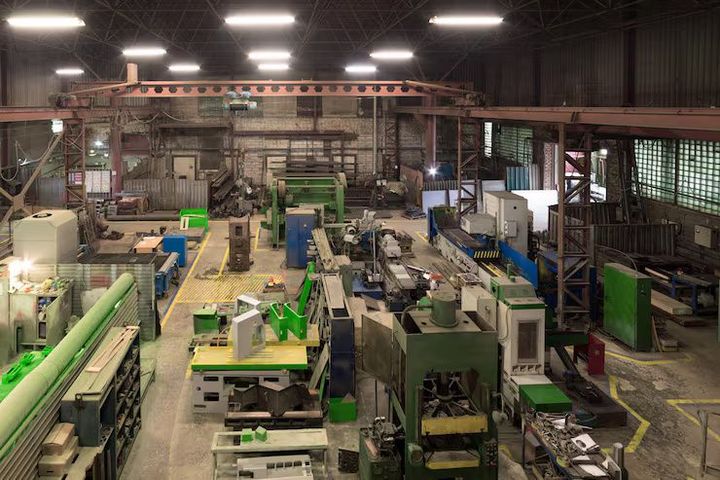
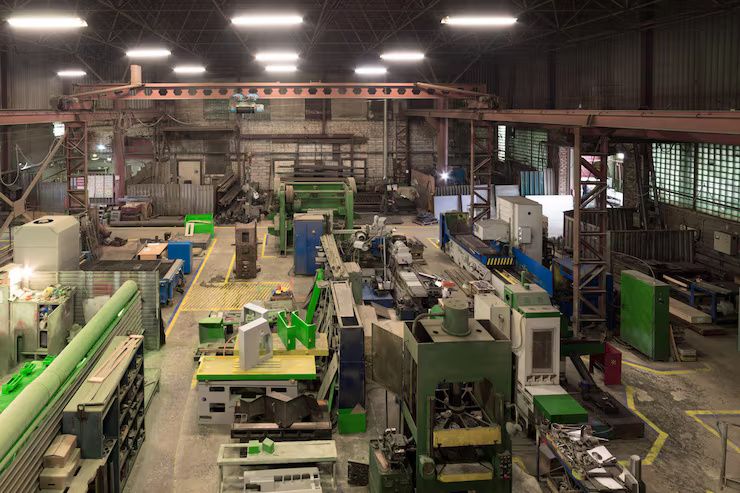
Modern machinery is designed to handle repetitive tasks with consistent accuracy. This helps industries maintain product standards while improving output speed. Manufacturing equipment can range from small workshop machines to large automated production systems.
Common examples include:
- CNC machines
- Hydraulic presses
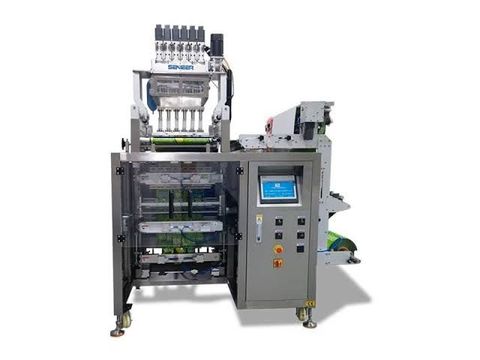
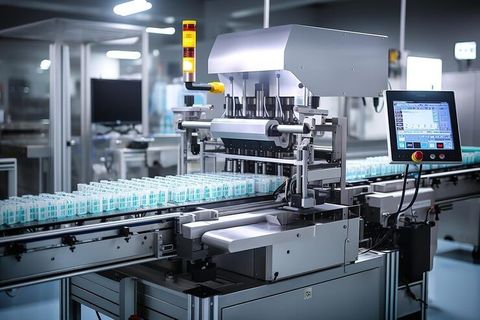
- Packaging equipment
- Conveyor systems
- Welding machines
- Laser cutting systems
- Injection molding machines
- Robotic assembly systems
Different industries use different machinery depending on production requirements and materials.
Importance of Manufacturing Machinery
Manufacturing machinery supports industrial growth and improves operational consistency. Advanced systems help companies manage high production volumes while minimizing errors.
Some major benefits include:
| Benefit | Explanation |
|---|---|
| Improved Efficiency | Machines perform tasks faster than manual operations |
| Better Accuracy | Automated systems reduce production mistakes |
| Consistent Quality | Repetitive processes maintain uniform output |
| Reduced Downtime | Modern systems include monitoring and maintenance tools |
| Workplace Safety | Machines reduce exposure to hazardous tasks |
| Scalability | Businesses can increase production more easily |
Manufacturing technology also helps industries respond to changing market demands and production challenges.
Industrial Automation Systems in Modern Manufacturing
Industrial Automation Systems are used to control machinery and production processes with minimal human intervention. These systems combine software, sensors, controllers, and communication tools to improve factory operations.
Automation systems are widely used in industries such as automotive, electronics, pharmaceuticals, and food production.
Key components of automation systems include:
- Programmable Logic Controllers (PLCs)
- Human Machine Interfaces (HMIs)
- Sensors and actuators
- Industrial networks
- Supervisory control systems
Automation helps manufacturers monitor production in real time. It also improves energy efficiency and supports predictive maintenance strategies.
Factories that implement automation often experience smoother workflows and improved operational reliability.
CNC Machines and Their Role in Precision Manufacturing
Computer Numerical Control (CNC) machines are among the most important technologies in modern manufacturing. CNC Machine Manufacturers develop systems that use computer programming to control machine tools with high precision.
CNC machines are commonly used for:
- Cutting
- Drilling
- Milling
- Turning
- Engraving
These machines operate using programmed instructions, allowing manufacturers to create complex parts accurately and repeatedly.
Types of CNC Machines
Several types of CNC equipment are used across industries:
| CNC Machine Type | Main Function |
|---|---|
| CNC Milling Machine | Shapes solid materials |
| CNC Lathe Machine | Rotates material for cutting |
| CNC Router | Cuts softer materials like wood or plastic |
| CNC Plasma Cutter | Cuts conductive metals |
| CNC Laser Cutting Machine | Uses laser beams for precise cutting |
CNC systems are valuable because they improve precision while reducing material waste. They also allow manufacturers to produce customized components efficiently.
CNC Laser Cutting Machine Technology
A CNC Laser Cutting Machine uses focused laser beams to cut materials with high accuracy. These machines are commonly used in metal fabrication, automotive production, electronics, and industrial design.
Laser cutting systems offer several advantages:
- Smooth cutting edges
- High-speed processing
- Minimal material waste
- Complex shape creation
- Reduced manual finishing
Different laser technologies are available for various industrial applications, including fiber lasers and CO2 lasers.
Manufacturers often use laser cutting systems for sheet metal processing because they provide excellent precision and flexibility.
Plastic Injection Molding Machine Applications
A Plastic Injection Molding Machine is designed to produce plastic components by injecting molten material into molds. This process is widely used in industries such as consumer products, medical devices, electronics, and automotive manufacturing.
Injection molding is popular because it supports large-scale production with consistent quality.
Products commonly made using injection molding include:
- Plastic containers
- Automotive parts
- Electronic housings
- Medical equipment components
- Packaging materials
The injection molding process generally includes:
- Heating plastic material
- Injecting molten plastic into a mold
- Cooling the material
- Removing the finished product
Modern molding machines use automation and monitoring systems to improve production accuracy and efficiency.
Heavy Equipment Manufacturing and Industrial Growth
Heavy Equipment Manufacturing involves the production of large industrial machines used in construction, mining, agriculture, and infrastructure development.
Examples of heavy equipment include:
- Excavators
- Bulldozers
- Cranes
- Loaders
- Industrial drilling equipment
Manufacturing heavy machinery requires advanced engineering, strong materials, and large production facilities. These machines are designed to handle demanding environments and heavy workloads.
Heavy equipment production often combines automation, robotics, welding systems, and CNC machining to maintain precision during assembly.
The growth of infrastructure projects around the world continues to increase demand for advanced industrial equipment.
Industrial Robotics and Smart Factories
Industrial Robotics has transformed modern manufacturing by introducing intelligent automation into production environments. Robots are now widely used for repetitive, dangerous, and high-precision tasks.
Industrial robots are commonly used for:
- Welding
- Material handling
- Packaging
- Assembly
- Inspection
- Painting
Robotic systems improve production consistency and help manufacturers maintain high operational efficiency.
Benefits of Industrial Robotics
Robotics technology provides several operational advantages:
| Benefit | Impact |
|---|---|
| Faster Production | Robots operate continuously with minimal interruptions |
| Increased Precision | Automated movements improve accuracy |
| Enhanced Safety | Workers avoid hazardous tasks |
| Reduced Errors | Consistent operations lower defect rates |
| Flexible Manufacturing | Robots can be reprogrammed for different tasks |
Smart factories often combine Industrial Robotics with Industrial Automation Systems to create connected production environments. These systems can share data in real time, helping operators monitor performance and identify maintenance needs quickly.
Emerging Trends in Manufacturing Machinery
Manufacturing machinery continues to evolve as industries adopt advanced technologies. Modern factories are becoming more connected and data-driven.
Important trends include:
- Artificial Intelligence integration
- Internet of Things (IoT) connectivity
- Predictive maintenance systems
- Cloud-based monitoring
- Energy-efficient machinery
- Digital twins and simulation software
These technologies help manufacturers improve efficiency, reduce downtime, and support long-term operational planning.
Sustainability is also becoming a major focus in industrial manufacturing. Many companies are developing machinery that consumes less energy and produces less waste.
Factors to Consider When Choosing Manufacturing Machinery
Selecting the right manufacturing machinery depends on production goals, materials, and operational requirements.
Important considerations include:
- Production capacity
- Machine accuracy
- Maintenance requirements
- Energy efficiency
- Software compatibility
- Safety features
- Scalability
Businesses should also evaluate whether machinery supports future automation upgrades and digital integration.
Working with experienced CNC Machine Manufacturers and industrial equipment providers can help organizations identify suitable solutions for their operations.
Maintenance and Operational Efficiency
Regular maintenance is essential for keeping manufacturing machinery operating efficiently. Poor maintenance can lead to equipment failures, production delays, and increased operational expenses.
Preventive maintenance practices often include:
- Lubrication checks
- Calibration testing
- Component inspections
- Software updates
- Temperature monitoring
- Vibration analysis
Modern Industrial Automation Systems can track machine performance and alert operators about potential issues before failures occur.
Predictive maintenance technology is becoming increasingly important because it helps reduce downtime and extend equipment lifespan.
The Future of Manufacturing Machinery
The future of manufacturing machinery will likely focus on intelligent automation, sustainability, and digital transformation. Factories are becoming more connected through advanced software, robotics, and data analysis systems.
Industrial Robotics, CNC Laser Cutting Machine technology, and Plastic Injection Molding Machine systems will continue evolving to improve efficiency and adaptability. Heavy Equipment Manufacturing will also benefit from smarter materials and automated production methods.
As manufacturing industries adopt advanced technologies, companies will need flexible machinery capable of adapting to changing production demands. Understanding manufacturing basics can help businesses and professionals prepare for the future of industrial production.