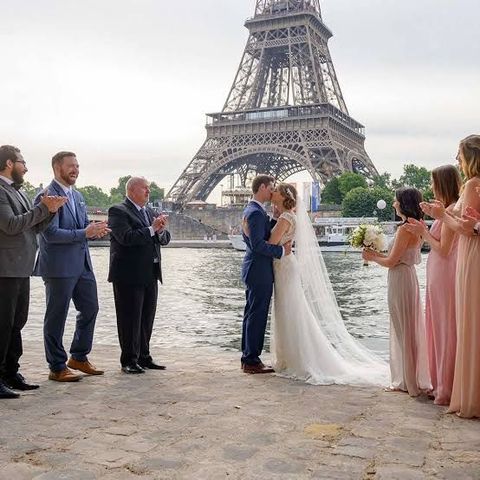
Luxury does not simply mean adding more decorations or choosing the largest venue. A truly well-planned celebration is built around location, atmosphere, guest experience, thoughtful design, seamless logistics and attention to detail.
The best European destination weddings create a sense of place while maintaining a cohesive and comfortable experience for the couple and their guests.
1. What Makes a Destination Wedding Feel Luxurious?
Luxury is often created through the quality and coordination of the overall experience.
Important elements can include:
-
Distinctive architecture
-
Scenic surroundings
-
Sophisticated event design
-
Personalised guest experiences
-
High-quality culinary planning
-
Elegant accommodation
-
Professional event coordination
-
Seamless transportation
-
Thoughtful entertainment
-
Detailed hospitality
The goal is to create an event that feels intentional rather than simply elaborate.
2. Why Choose Europe for a Luxury Destination Wedding?
Europe provides an unusually broad selection of wedding environments.
Couples can consider:
-
Historic castles
-
French-style estates
-
Italian villas
-
Mediterranean coastlines
-
Private islands
-
Vineyards
-
Alpine landscapes
-
Lakeside properties
-
Grand hotels
-
Historic city venues
The diversity allows couples to create different wedding personalities without leaving the European continent.
3. Italy for Luxury Destination Weddings
Italy is particularly well suited to couples interested in architecture, food, landscapes and classic European aesthetics.
Possible venue styles include:
-
Historic villas
-
Countryside estates
-
Vineyard properties
-
Lakeside venues
-
Coastal settings
-
Historic palaces
Italian-inspired wedding design often works beautifully with natural surroundings, classical architecture and regional cuisine.
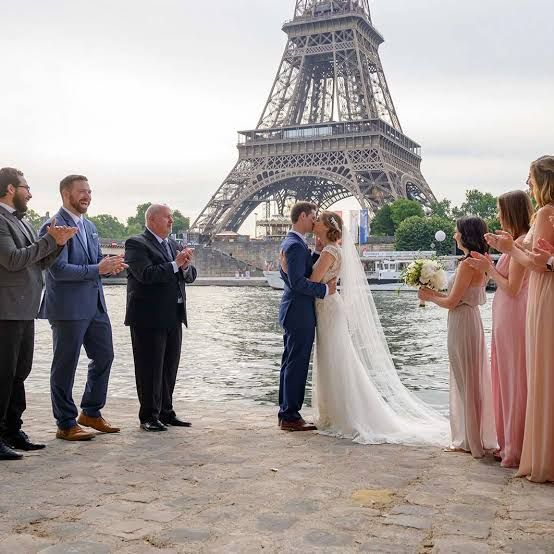
4. France for Elegant Celebrations
France offers a wide range of sophisticated wedding environments.
Venue concepts can include:
-
Châteaux
-
Historic estates
-
Formal gardens
-
Vineyards
-
Countryside properties
-
Coastal venues
-
Grand urban spaces
French-inspired celebrations can range from traditional and formal to contemporary and minimalist.
5. Greece for Mediterranean Luxury
Greece combines dramatic landscapes with Mediterranean architecture and coastal scenery.
Potential settings include:
-
Island properties
-
Seaside terraces
-
Cliffside venues
-
Boutique resorts
-
Historic surroundings
White architecture, natural stone, blue-water views and sunset settings can create a distinctive visual identity.
6. Spain for Stylish Destination Events
Spain offers varied landscapes and architectural traditions.
Luxury wedding concepts can include:
-
Historic estates
-
Mediterranean properties
-
Countryside venues
-
Coastal settings
-
Urban hotels
-
Island environments
Spanish destinations can accommodate both relaxed outdoor celebrations and formal multi-day events.
7. Portugal for Refined Coastal and Countryside Weddings
Portugal combines historic architecture, Atlantic scenery, countryside landscapes and distinctive cultural traditions.
Venue styles can include:
-
Historic estates
-
Vineyards
-
Coastal properties
-
Garden venues
-
Heritage buildings
Portugal can be particularly appealing for couples who want an elegant celebration combined with a broader travel experience.
8. Croatia for Adriatic Celebrations
Croatia offers a combination of:
-
Adriatic scenery
-
Historic architecture
-
Island environments
-
Coastal terraces
-
Mediterranean landscapes
Its coastal character can work particularly well for outdoor ceremonies and sunset receptions.
9. Switzerland for Mountain Luxury
Switzerland provides an alternative to traditional Mediterranean destinations.
Possible settings include:
-
Lakeside venues
-
Alpine properties
-
Mountain resorts
-
Historic estates
-
Scenic countryside
A Swiss wedding can create a sophisticated atmosphere built around mountains, lakes and seasonal scenery.
10. Austria for Historic and Alpine Elegance
Austria combines imperial architecture with mountain and countryside landscapes.
Venue concepts include:
-
Palaces
-
Historic estates
-
Lakeside properties
-
Mountain venues
-
Elegant gardens
Austria can work particularly well for classic, formal and winter wedding themes.
11. Choosing a Luxury Wedding Venue
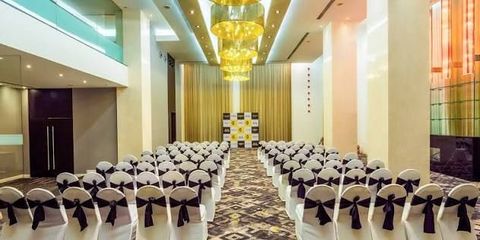
The venue is the foundation of the entire event.
Evaluate:
Architecture
Does the property naturally support the desired visual style?
Capacity
Can it comfortably accommodate the guest list?
Privacy
Does the environment provide an appropriate level of exclusivity?
Accommodation
Can guests stay conveniently nearby?
Event Spaces
Are there suitable areas for ceremonies, receptions and smaller gatherings?
Weather Backup
Is there an attractive indoor alternative?
Accessibility
Can guests reach the venue without unnecessary complexity?
Event Restrictions
Are there limitations relating to music, timing, décor, photography or external suppliers?
12. Luxury Wedding Venue Types
Historic Castles
Castles create a dramatic backdrop through architecture, gardens and history.
Private Villas
Villas can provide a more intimate atmosphere with distinctive architecture and outdoor spaces.
Grand Estates
Large estates can accommodate multi-day celebrations and multiple event areas.
Vineyards
Vineyard settings combine natural landscapes with food and regional culture.
Coastal Properties
Coastal venues are ideal for Mediterranean-style ceremonies and outdoor receptions.
Mountain Retreats
Mountain properties can create dramatic seasonal celebrations.
Luxury Hotels
Hotels can simplify accommodation, dining and event logistics for larger guest groups.
13. Multi-Day Wedding Experiences
A luxury destination wedding does not have to be limited to one event.
A three-day experience could include:
Day 1: Welcome gathering
Day 2: Main wedding ceremony and reception
Day 3: Farewell brunch or relaxed group activity
Additional events allow guests to experience the destination while extending the celebration.
14. Welcome Events
A welcome gathering introduces guests to the destination.
Ideas include:
-
Outdoor dinner
-
Cocktail reception
-
Cultural evening
-
Garden gathering
-
Sunset event
-
Informal family dinner
The welcome event can also provide an opportunity for guests to meet before the main celebration.
15. Ceremony Design
Luxury ceremony design often works best when it complements the venue.
Possible elements include:
-
Floral installations
-
Elegant seating
-
Architectural backdrops
-
Minimalist aisle designs
-
Natural greenery
-
Scenic outdoor arrangements
The strongest designs usually enhance the surroundings rather than hide them.
16. Reception Design
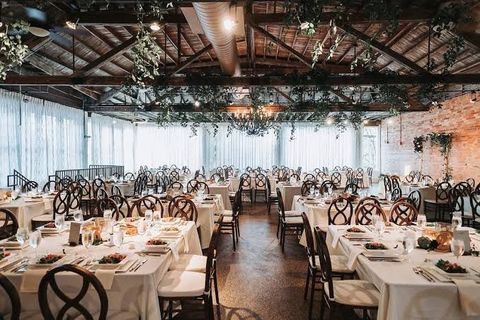
The reception can become the central visual expression of the wedding.
Important elements include:
-
Table design
-
Lighting
-
Floral arrangements
-
Furniture
-
Dinnerware
-
Place settings
-
Music
-
Dance-floor design
A cohesive colour palette can help connect different parts of the event.
17. Luxury Wedding Décor
Luxury décor is often about balance and detail.
Popular design approaches include:
Classic European
-
Soft floral arrangements
-
Elegant table settings
-
Classical details
-
Neutral tones
Mediterranean
-
Natural stone
-
Olive branches
-
Soft fabrics
-
Earth-inspired colours
Modern Luxury
-
Clean lines
-
Minimalist floral designs
-
Contemporary furniture
-
Architectural lighting
Countryside Elegance
-
Natural textures
-
Seasonal flowers
-
Greenery
-
Rustic architectural details
18. Lighting Design
Lighting can dramatically influence the atmosphere of an evening celebration.
Options can include:
-
Chandeliers
-
Candlelight
-
Architectural lighting
-
String lights
-
Uplighting
-
Table lighting
-
Outdoor illumination
Lighting should complement the venue and remain appropriate for photography and guest comfort.
19. Luxury Wedding Dining
Food can become an important part of the destination experience.
A sophisticated menu may combine:
-
Regional cuisine
-
Seasonal ingredients
-
International influences
-
Multiple courses
-
Vegetarian options
-
Dietary accommodations
-
Local culinary traditions
A destination wedding menu can tell part of the story of the location.
20. Beverage and Hospitality Planning
Hospitality extends beyond the main meal.
Planning may include:
-
Welcome beverages
-
Reception drinks
-
Non-alcoholic selections
-
Coffee and tea service
-
Late-evening refreshments
The objective should be a thoughtful experience rather than unnecessary complexity.
21. Guest Experience
Guest experience is one of the strongest indicators of a well-organised destination wedding.
Consider the journey from:
Arrival → Accommodation → Welcome Event → Wedding → Activities → Departure
Guests should have clear information about schedules, transportation and important travel details.
22. Accommodation Planning
Accommodation should ideally align with the overall wedding experience.
Consider:
-
Distance from the venue
-
Guest capacity
-
Room categories
-
Accessibility
-
Family requirements
-
Transportation
-
Check-in and check-out schedules
For multi-day events, convenient accommodation can significantly simplify logistics.
23. Transportation Planning
Luxury does not necessarily mean complicated transportation.
A well-planned system should make movement between:
-
Airports
-
Accommodation
-
Wedding venues
-
Event locations
-
Group activities
as straightforward as possible.
Clear schedules and reliable coordination are more important than unnecessary complexity.
24. Travel Planning for Guests
International guests may need to consider:
-
Passports
-
Visa requirements
-
Flight connections
-
Travel insurance
-
Local transportation
-
Currency
-
Weather
-
Local customs
Travel requirements vary by nationality and destination, so current official information should always be checked.
25. Legal Wedding Requirements
Marriage laws vary between European countries.
Potential requirements can involve:
-
Identification documents
-
Residency
-
Civil registration
-
Certified translations
-
Witnesses
-
Official appointments
Couples should research requirements well before the planned wedding date.
Some couples choose to complete the legal marriage process in their home country and hold a symbolic ceremony abroad.
26. Symbolic Destination Weddings
A symbolic ceremony can simplify destination planning.
It allows couples to focus on:
-
Ceremony design
-
Guest experience
-
Venue atmosphere
-
Personal vows
-
Celebration
However, couples should understand that a symbolic ceremony does not necessarily create legal marital status in the destination country.
27. Wedding Photography
Europe offers exceptional photographic variety.
Photographers can capture:
-
Historic architecture
-
Gardens
-
Landscapes
-
Coastal views
-
Mountain scenery
-
Candid guest moments
-
Evening celebrations
A good photography plan should consider travel time, venue restrictions, daylight and weather.
28. Destination Wedding Videography
Video can capture elements that photographs cannot fully communicate.
Consider documenting:
-
Ceremony
-
Speeches
-
Guest reactions
-
Venue atmosphere
-
Music
-
Destination scenery
-
Wedding-day details
A combination of planned footage and candid moments can create a more natural final result.
29. Entertainment
Entertainment can reflect both the couple's preferences and the destination.
Possible options include:
-
Live musicians
-
DJs
-
Classical ensembles
-
Cultural performances
-
Acoustic groups
-
Evening entertainment
Music restrictions and venue regulations should be reviewed in advance.
30. Personalisation
Luxury becomes more memorable when it feels personal.
Personalisation can include:
-
Custom stationery
-
Signature décor
-
Personal menus
-
Family traditions
-
Destination-inspired details
-
Personalised guest experiences
-
Meaningful ceremony elements
The objective is to create an event that feels connected to the couple rather than copied from another wedding.
31. Sustainable Luxury Weddings
Luxury and sustainability can work together.
Ideas include:
-
Seasonal flowers
-
Local ingredients
-
Reusable décor
-
Digital invitations
-
Reduced single-use materials
-
Local transportation
-
Responsible waste management
Using local resources can also strengthen the connection between the wedding and its destination.
32. Technology for Wedding Planning
Technology can simplify communication across countries.
Useful tools include:
-
Wedding websites
-
Digital invitations
-
Online RSVPs
-
Shared itineraries
-
Guest communication platforms
-
Digital seating plans
-
Video meetings
-
Online document storage
A central digital information hub can help guests find essential travel and event information.
33. Event Coordination
Multi-day destination weddings involve numerous moving parts.
Coordination can include:
-
Guest arrivals
-
Transportation
-
Venue schedules
-
Catering
-
Décor
-
Entertainment
-
Photography
-
Ceremony timing
-
Weather contingencies
A detailed timeline helps different teams work from the same plan.
34. Seasonal Luxury Wedding Ideas
Spring
Think:
-
Flower-filled gardens
-
Soft colours
-
Outdoor ceremonies
-
Fresh seasonal menus
Summer
Consider:
-
Coastal celebrations
-
Long outdoor dinners
-
Sunset ceremonies
-
Garden receptions
Autumn
Explore:
-
Vineyard landscapes
-
Warm colours
-
Seasonal cuisine
-
Elegant indoor receptions
Winter
Consider:
-
Alpine scenery
-
Candlelit interiors
-
Festive décor
-
Formal indoor celebrations
35. Wedding Budget Framework
Luxury destination wedding planning involves multiple financial categories.
Consider allocating planning resources across:
-
Venue
-
Accommodation
-
Travel
-
Food
-
Décor
-
Photography
-
Entertainment
-
Transportation
-
Documentation
-
Guest experiences
-
Contingency planning
Prioritising the elements that matter most to the couple can create a more coherent celebration than spreading resources across too many features.
36. Common Planning Mistakes
Choosing a Venue Only for Its Appearance
A beautiful venue may have limitations relating to capacity, access or event timing.
Ignoring Guest Logistics
International travel should be part of the planning process.
Leaving Legal Research Too Late
Documentation and administrative requirements can take time.
Overdesigning the Venue
Too much décor can hide the property's natural character.
Ignoring Weather
Outdoor celebrations need appropriate alternatives.
Creating an Overloaded Schedule
Guests need downtime between events.
Forgetting Cultural Context
Local traditions and regulations should be understood and respected.
37. Luxury Wedding Planning Checklist
Destination
-
Country selected
-
Wedding style defined
-
Season evaluated
-
Travel accessibility reviewed
Venue
-
Capacity confirmed
-
Event spaces reviewed
-
Accommodation assessed
-
Weather contingency checked
-
Venue restrictions understood
Guests
-
Guest list prepared
-
Travel information shared
-
Accommodation planned
-
Transportation organised
Event
-
Ceremony planned
-
Reception designed
-
Catering arranged
-
Décor developed
-
Entertainment selected
-
Photography coordinated
Legal
-
Marriage requirements researched
-
Documentation reviewed
-
Translation requirements confirmed
Logistics
-
Event timeline prepared
-
Transportation schedule created
-
Emergency contacts organised
-
Backup plans established
FAQs
What are the best countries for a luxury destination wedding in Europe?
Italy, France, Greece, Spain, Portugal, Croatia, Switzerland and Austria are among the countries that offer diverse luxury wedding environments, including historic estates, coastal venues, vineyards and mountain settings.
What makes a destination wedding luxurious?
Luxury is often created through thoughtful venue selection, high-quality hospitality, refined design, personalised experiences, smooth logistics and attention to detail rather than simply adding more elements.
How far in advance should a luxury European wedding be planned?
A planning period of around 12–18 months can provide useful flexibility for venue selection, guest travel, accommodation and documentation, although the ideal timeline depends on the destination and event complexity.
Should the legal wedding take place in Europe?
That depends on the couple's circumstances and the destination's legal requirements. Some couples complete the legal process at home and hold a symbolic ceremony abroad to simplify administration.
How can guests have a better destination wedding experience?
Clear travel information, convenient accommodation, reliable transportation, a manageable event schedule and thoughtful welcome activities can make the overall experience more comfortable and memorable.
Conclusion
A luxury destination wedding in Europe is ultimately about creating a complete experience rather than a single beautiful event.
The destination establishes the atmosphere, the venue provides the setting, the décor creates visual identity, and thoughtful hospitality connects everything together.
Italy and France offer classic European elegance, Greece and Croatia bring Mediterranean scenery, Portugal combines coastal and countryside character, while Switzerland and Austria provide distinctive Alpine environments.
The strongest celebrations balance beauty with practicality. Venue suitability, guest travel, legal requirements, weather, accommodation, transportation and event coordination deserve the same attention as décor and aesthetics.
With thoughtful planning, a clear event strategy and a strong sense of personal style, a European destination wedding can become an unforgettable celebration shaped by architecture, landscape, culture and shared experiences.
Disclaimer
This article is intended for general educational and informational purposes only. Destination wedding requirements, marriage laws, travel regulations, visa rules, venue policies and local procedures vary by country and can change over time. Couples and guests should verify current information through relevant official government, embassy and local authority resources and consult qualified professionals where appropriate. This article does not constitute legal, travel, financial or professional advice.