Every destination has its own character, climate, traditions, legal requirements and travel considerations. Choosing the right location therefore involves more than finding a beautiful venue.
A successful European destination wedding usually brings together venue selection, season, guest travel, accommodation, local regulations, food, photography, transportation and cultural details.
1. Why Choose Europe for a Destination Wedding?
Europe offers remarkable geographical and cultural variety within relatively accessible travel distances.
Couples can consider:
-
Mediterranean coastlines
-
Historic cities
-
Countryside estates
-
Alpine landscapes
-
Island settings
-
Vineyards
-
Historic castles
-
Lakeside venues
-
Elegant gardens
-
Rustic rural properties
Another advantage is the diversity of wedding styles available.
A couple looking for a relaxed outdoor celebration may prefer a Mediterranean destination, while someone interested in historic architecture might consider a European city or castle setting.
2. Best European Countries for Destination Weddings
There is no single best country for every couple. The right destination depends on wedding style, season, guest profile and planning requirements.
Popular European destinations include:
-
Italy
-
France
-
Greece
-
Spain
-
Portugal
-
Croatia
-
Switzerland
-
Austria
-
Ireland
-
Montenegro
Each destination offers a different combination of scenery, architecture, culture and climate.
3. Italy
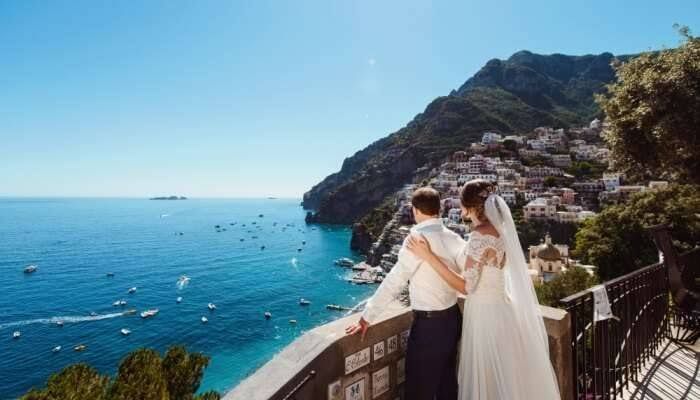
Italy is known for historic architecture, countryside landscapes, lakes, vineyards and Mediterranean scenery.
Wedding settings can include:
-
Historic villas
-
Lakefront properties
-
Tuscan-style countryside
-
Coastal venues
-
Vineyards
-
Historic estates
-
Garden settings
Italy works particularly well for couples interested in combining wedding celebrations with food, culture, architecture and travel.
4. France
France offers a wide variety of wedding environments.
Possible settings include:
-
Historic châteaux
-
Countryside estates
-
French gardens
-
Vineyard regions
-
Coastal locations
-
Elegant city venues
France can suit both classic and contemporary wedding styles.
Its architectural heritage also provides naturally distinctive backdrops for wedding photography.
5. Greece
Greece is particularly associated with coastal celebrations, islands and Mediterranean scenery.
Potential wedding settings include:
-
Seaside venues
-
Island properties
-
Cliffside locations
-
Historic surroundings
-
Outdoor terraces
-
Mediterranean gardens
Warm-weather celebrations and sunset ceremonies are particularly appealing for couples considering Greece.
6. Spain
Spain offers a broad range of landscapes and architectural styles.
Couples can explore:
-
Coastal venues
-
Historic estates
-
Countryside properties
-
Mediterranean gardens
-
Urban venues
-
Island destinations
Spain can accommodate relaxed outdoor celebrations as well as more formal events.
7. Portugal
Portugal combines historic architecture, Atlantic landscapes, countryside settings and distinctive cultural character.
Possible wedding environments include:
-
Historic estates
-
Coastal venues
-
Vineyards
-
Garden properties
-
Countryside retreats
-
Historic buildings
Portugal can also be attractive for couples interested in combining the wedding with a broader European holiday.
8. Croatia
Croatia offers an appealing combination of coastline, islands, historic architecture and Mediterranean scenery.
Wedding settings may include:
-
Coastal venues
-
Island locations
-
Historic properties
-
Waterfront terraces
-
Countryside settings
Its Adriatic landscape creates a natural backdrop for outdoor celebrations.
9. Switzerland
Switzerland offers a very different wedding atmosphere from Mediterranean Europe.
Possible settings include:
-
Mountain resorts
-
Lakeside venues
-
Alpine estates
-
Historic properties
-
Scenic countryside
Switzerland can be particularly appealing for couples interested in dramatic mountain landscapes and elegant seasonal celebrations.
10. Austria
Austria combines historic architecture, Alpine scenery and traditional European aesthetics.
Potential wedding settings include:
-
Palaces
-
Historic estates
-
Lakeside venues
-
Mountain properties
-
Elegant gardens
It can work well for formal celebrations as well as romantic countryside weddings.
11. Ireland
Ireland provides a distinctive combination of dramatic landscapes and historic architecture.
Possible settings include:
-
Castles
-
Country estates
-
Gardens
-
Coastal landscapes
-
Rural properties
Its atmosphere can be particularly suited to intimate celebrations and classic European wedding themes.
12. Montenegro
Montenegro offers Adriatic coastline, mountains and historic surroundings within a relatively compact country.
Potential wedding environments include:
-
Waterfront venues
-
Historic properties
-
Mountain settings
-
Garden spaces
-
Coastal terraces
It can appeal to couples looking for a Mediterranean atmosphere with a less conventional destination.
13. Choosing the Right Wedding Style
Before selecting a country, identify the desired atmosphere.
Classic European Wedding
Consider:
-
Historic architecture
-
Formal dining
-
Elegant gardens
-
Traditional décor
-
Classical interiors
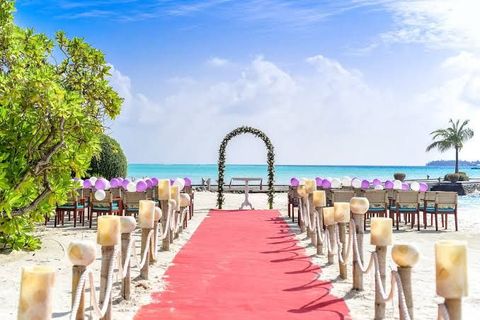
Beach Wedding
Consider:
-
Coastal venues
-
Outdoor ceremonies
-
Natural scenery
-
Lightweight décor
-
Sunset photography
Countryside Wedding
Consider:
-
Vineyards
-
Farms
-
Estates
-
Gardens
-
Rural landscapes
Mountain Wedding
Consider:
-
Alpine resorts
-
Lakes
-
Mountain lodges
-
Scenic terraces
-
Winter landscapes
City Wedding
Consider:
-
Historic buildings
-
Boutique hotels
-
Museums
-
Rooftop spaces
-
Cultural venues
14. Destination Wedding Venue Ideas
European wedding venues can be grouped into several broad categories.
Historic Castles
Castles provide architecture, gardens and a strong sense of history.
Villas
Villas can work well for private celebrations and multi-day events.
Vineyards
Vineyard settings combine landscapes, architecture and agricultural character.
Beachfront Venues
Ideal for couples seeking an outdoor Mediterranean atmosphere.
Mountain Resorts
Suitable for Alpine weddings and seasonal celebrations.
Historic Estates
Country estates offer gardens, architecture and expansive outdoor spaces.
Boutique Hotels
These can simplify accommodation and event logistics when guest stays are involved.
15. Consider the Wedding Season
Season can significantly affect the wedding experience.
Spring
Often associated with:
-
Mild weather
-
Flowering gardens
-
Fresh landscapes
-
Longer daylight
Summer
Popular for:
-
Outdoor ceremonies
-
Beach weddings
-
Garden celebrations
-
Longer evenings
However, some destinations can experience high temperatures and increased visitor activity.
Autumn
Can offer:
-
Softer temperatures
-
Seasonal colours
-
Vineyard landscapes
-
Atmospheric photography
Winter
Can create:
-
Snowy landscapes
-
Festive environments
-
Indoor celebrations
-
Mountain wedding settings
The ideal season depends heavily on the chosen country.
16. Weather Planning
Weather should never be treated as a minor detail.
Research:
-
Average temperatures
-
Rainfall patterns
-
Wind conditions
-
Humidity
-
Sunset times
-
Seasonal weather risks
Outdoor ceremonies should always have an appropriate contingency plan.
17. Guest Travel Planning
Destination weddings require guests to travel internationally, so travel planning becomes part of the event experience.
Consider:
-
International flight connections
-
Airport accessibility
-
Ground transportation
-
Accommodation options
-
Local transportation
-
Travel documentation
-
Arrival and departure schedules
Providing guests with clear information well in advance can make the overall journey easier.
18. Accommodation Planning
Guest accommodation can influence venue selection.
Possible arrangements include:
-
Hotels
-
Resorts
-
Guesthouses
-
Villas
-
Countryside properties
-
Apartment-style accommodation
For larger groups, it can be helpful to understand how many guests can stay within convenient travel distance of the event.
19. Travel Documents
International wedding travel may involve documentation requirements.
Depending on nationality and destination, guests may need:
-
Passports
-
Visas
-
Travel insurance
-
Transit documentation
-
Entry-related documents
Requirements can change, so travellers should verify current information through official government and embassy resources before planning their journey.
20. Legal Marriage Requirements
Legal marriage requirements vary significantly across European countries.
Factors can include:
-
Residency requirements
-
Required documents
-
Civil registration
-
Certified translations
-
Witness requirements
-
Marriage eligibility
-
Appointment procedures
Some couples choose to complete the legal marriage process in their home country and hold a symbolic ceremony abroad.
This can simplify destination planning, but couples should confirm the legal implications with the relevant authorities.
21. Symbolic vs Legal Ceremonies
Legal Ceremony
Creates a legally recognised marriage in the destination country when all applicable requirements are satisfied.
Symbolic Ceremony
Focuses on the celebration rather than establishing legal marital status.
A symbolic ceremony can provide greater flexibility for couples who want to minimise administrative complexity.
22. Wedding Planning Timeline
A destination wedding generally benefits from early planning.
12–18 Months Before
-
Select the country
-
Determine wedding style
-
Research venues
-
Estimate guest numbers
-
Review travel requirements
9–12 Months Before
-
Confirm major event arrangements
-
Coordinate accommodation
-
Plan photography
-
Develop guest information
6–9 Months Before
-
Finalise event details
-
Plan décor
-
Coordinate transportation
-
Review documentation
3–6 Months Before
-
Confirm guest travel
-
Finalise schedules
-
Review contingency plans
-
Coordinate suppliers
Final Weeks
-
Confirm arrival details
-
Review event timeline
-
Prepare documentation
-
Communicate final instructions
The exact timeline can vary according to destination and event complexity.
23. Planning the Wedding Weekend
A destination wedding does not have to be a single-day event.
A multi-day schedule could include:
Day 1: Guest arrivals and welcome gathering
Day 2: Main wedding celebration
Day 3: Relaxed farewell activity or group meal
This can give guests more opportunities to experience the destination.
24. Food and Catering
Food is often an important part of the destination experience.
Couples may incorporate:
-
Local cuisine
-
Regional ingredients
-
Traditional dishes
-
International menus
-
Vegetarian options
-
Dietary requirements
A good menu can reflect both the destination and the couple's preferences.
25. Wedding Décor
Destination décor can draw inspiration from the surrounding environment.
Mediterranean Style
-
Natural textures
-
Soft fabrics
-
Olive branches
-
Coastal elements
Alpine Style
-
Wood
-
Seasonal flowers
-
Natural greenery
-
Warm lighting
French-Inspired Style
-
Elegant floral arrangements
-
Classical details
-
Refined table settings
Rustic Countryside Style
-
Natural materials
-
Greenery
-
Simple floral designs
-
Farm-inspired details
The strongest décor often complements the venue instead of competing with it.
26. Photography and Videography
Destination weddings provide diverse visual opportunities.
Photographers may capture:
-
Architecture
-
Landscapes
-
Ceremony moments
-
Cultural details
-
Guest interactions
-
Sunset scenes
-
Local surroundings
When selecting photography arrangements, consider travel logistics, shooting hours and venue restrictions.
27. Transportation Planning
Transportation becomes particularly important when guests stay in different locations.
Potential transportation needs include:
-
Airport transfers
-
Hotel-to-venue transportation
-
Ceremony transfers
-
Reception transfers
-
Late-night return transportation
A clear transportation schedule can reduce confusion on the wedding day.
28. Language and Cultural Considerations
European destinations have diverse languages and traditions.
Consider whether guests or local participants may need:
-
Translation
-
Multilingual signage
-
Bilingual invitations
-
Local cultural guidance
Understanding local customs can also help couples incorporate traditions respectfully.
29. Local Wedding Traditions
Every European country has its own traditions.
These may involve:
-
Food
-
Music
-
Ceremony customs
-
Clothing
-
Family traditions
-
Cultural celebrations
Couples can choose whether to incorporate local traditions fully, partially or simply use them as inspiration.
30. Sustainability Considerations
International weddings can have an environmental impact due to travel, food, décor and event logistics.
More sustainable planning can involve:
-
Local food
-
Seasonal flowers
-
Reusable décor
-
Digital invitations
-
Reduced single-use materials
-
Local transportation
-
Responsible waste management
Sustainability can become part of the wedding design rather than an additional complication.
31. Technology for Destination Weddings
Technology can simplify planning and communication.
Useful tools may include:
-
Digital invitations
-
Wedding websites
-
Online RSVP systems
-
Shared itineraries
-
Digital maps
-
Video calls
-
Guest communication groups
-
Digital seating plans
Technology becomes especially useful when guests are travelling from different countries.
32. Wedding Budget Planning
Destination weddings involve multiple categories of expenses.
A planning framework can include:
-
Venue
-
Accommodation
-
Travel
-
Food
-
Décor
-
Photography
-
Entertainment
-
Transportation
-
Documentation
-
Guest activities
-
Contingency planning
Rather than focusing on one number, couples should create separate categories and understand which elements are essential to their celebration.
33. Guest Experience
A memorable destination wedding is also about the guest journey.
Think about:
-
How guests arrive
-
Where they stay
-
How they reach the venue
-
What they do between events
-
How they receive information
-
How they return home
Providing a simple itinerary can make international travel less stressful.
34. Wedding Venue Checklist
Before selecting a European venue, consider:
-
Guest capacity
-
Indoor and outdoor spaces
-
Weather contingency
-
Accommodation availability
-
Accessibility
-
Catering arrangements
-
Event timing
-
Sound restrictions
-
Photography policies
-
Transportation
-
Local regulations
-
Backup arrangements
A beautiful location is only one part of a practical wedding venue.
35. Common Destination Wedding Mistakes
Choosing the Destination Before Understanding Guest Travel
A beautiful location may be difficult for guests to reach.
Ignoring Weather
Outdoor celebrations require appropriate contingency planning.
Leaving Legal Research Too Late
Documentation requirements can take time.
Underestimating Transportation
Multiple venues or accommodation locations can complicate logistics.
Overloading the Schedule
Guests also need time to rest and explore.
Ignoring Cultural Differences
Local customs and event practices may differ from those at home.
Planning Without a Backup
Weather and travel disruptions can happen unexpectedly.
36. European Wedding Planning Checklist
Destination
-
Country selected
-
Season evaluated
-
Travel accessibility reviewed
Venue
-
Capacity confirmed
-
Indoor and outdoor spaces reviewed
-
Backup arrangements understood
Guests
-
Guest list prepared
-
Travel information shared
-
Accommodation researched
Legal
-
Documentation reviewed
-
Marriage requirements checked
-
Translation requirements confirmed
Event
-
Ceremony planned
-
Reception organised
-
Catering selected
-
Décor developed
-
Photography arranged
Logistics
-
Transportation planned
-
Timelines prepared
-
Emergency contacts organised
FAQs
What are some popular European destination wedding countries?
Italy, France, Greece, Spain, Portugal, Croatia, Switzerland, Austria, Ireland and Montenegro are among the European countries often considered for destination weddings.
What is the best season for a European destination wedding?
There is no universal answer. Spring and autumn can provide moderate conditions in many destinations, while summer is popular for outdoor celebrations and winter can be attractive for mountain or festive weddings.
Do I need a legal ceremony in Europe?
Not necessarily. Couples can sometimes choose between a legally recognised ceremony and a symbolic celebration, depending on the destination and their personal circumstances. Legal requirements should be confirmed with the relevant authorities.
How far in advance should I plan a destination wedding?
Many couples begin planning around 12–18 months in advance, particularly when international travel, venue availability and legal documentation are involved.
What should guests know before travelling?
Guests should receive information about passports, visas where applicable, transportation, accommodation, event schedules, weather and any important local customs.
Conclusion
A destination wedding in Europe can combine a meaningful celebration with architecture, landscapes, cuisine and cultural experiences.
The key is to select a destination based not only on beauty but also on season, accessibility, venue suitability, guest travel, legal requirements, accommodation and event logistics.
Italy can provide historic and countryside settings, Greece and Croatia offer Mediterranean scenery, France combines architecture and elegance, while Switzerland and Austria provide distinctive Alpine environments. Each destination creates a different wedding experience.
With thoughtful planning, a clear timeline and attention to guest needs, a European destination wedding can become more than a single ceremony—it can become a memorable shared journey for everyone involved.
Disclaimer
This article is intended for general educational and informational purposes only. Destination wedding requirements, travel rules, visa requirements, marriage laws, venue regulations and local procedures vary by country and can change over time. Couples and guests should verify current information through official government, embassy, immigration and local authority resources and consult qualified professionals where appropriate. This article does not constitute legal, travel, financial or professional advice.