Learn Lamination Basics: Complete Guide, Tips, Insights, and Essential Knowledge
Lamination is a process used to protect documents, materials, or surfaces by applying a thin protective layer. This layer is usually made from plastic films or specialized coatings that seal the surface and improve durability. The lamination process is widely used for printed documents, identification cards, packaging materials, signage, and industrial components.
The primary goal of lamination is preservation. Paper and other materials are vulnerable to moisture, dust, tearing, and fading. Laminating creates a barrier that helps maintain the integrity and readability of the material for a longer period of time. This process is common in educational institutions, offices, manufacturing environments, and printing industries.
Lamination can be done using heat, pressure, or adhesive films. Thermal lamination uses heated rollers to bond film to a surface, while cold lamination uses pressure-sensitive adhesive layers. Each technique is suitable for different materials and applications.
Common lamination materials include:
-
Polypropylene (PP) films
-
Polyester (PET) films
-
Nylon-based laminates
-
Vinyl lamination sheets
-
Thermal lamination films
These materials differ in thickness, flexibility, transparency, and resistance to environmental factors. For example, polyester films are often used for high-durability applications, while polypropylene films are commonly used for document protection.
The lamination industry overlaps with several high-value sectors such as printing technology, packaging technology, industrial materials engineering, and document preservation systems. Because of this connection, lamination knowledge is often relevant to professionals working with printing equipment, packaging development, and archival management.
Why Lamination Matters in Modern Applications
Lamination plays an important role in protecting information, extending product life, and improving visual presentation. In many environments, printed materials must remain readable and intact for long periods. Lamination helps prevent damage from environmental exposure.
Several sectors rely heavily on lamination processes.
Document Protection
Important documents such as certificates, training manuals, instructional charts, and identification cards benefit from lamination because it protects against:
-
Water damage
-
Physical wear
-
Ink fading
-
Dirt and contamination
Packaging and Industrial Materials
Modern packaging often uses laminated layers to create stronger and more protective materials. Laminated packaging can combine multiple layers of plastic, foil, or paper to improve durability and barrier properties.
Educational and Training Materials
Classroom charts, reference sheets, and laboratory guides are often laminated to increase longevity and repeated use.
Visual Communication and Signage
Laminated posters and information boards are easier to clean and maintain. They also resist scratches and fading caused by sunlight.
The importance of lamination has grown alongside increased reliance on printed information and packaging technology. Many industries use lamination as a standard protective measure for materials that require long-term durability.
Recent Trends and Updates in Lamination Technology
The lamination industry has seen several developments in the past year, especially in the areas of sustainability, automation, and materials science.
Growth in Eco-Friendly Lamination Films (2025)
In early 2025, several manufacturers introduced recyclable lamination films designed to reduce plastic waste. These materials aim to maintain durability while improving environmental compatibility.
Increase in Automated Laminating Equipment (2025)
Automation has become more common in printing facilities. Advanced laminating machines now include digital temperature control, pressure calibration, and automatic film alignment systems.
Digital Printing Compatibility Improvements (Late 2024–2025)
As digital printing technology expanded, lamination film manufacturers began developing films specifically designed for toner-based and inkjet printing systems. These materials improve adhesion and reduce film curling.
Growth in Flexible Packaging Lamination (2025)
Flexible packaging materials using multi-layer lamination structures have increased in popularity. These structures combine paper, plastic, and foil layers to improve barrier performance against oxygen and moisture.
Surface Protection Films in Electronics Manufacturing (2025)
Protective lamination films are increasingly used in electronics assembly environments to shield screens and components during manufacturing processes.
These trends demonstrate how lamination technology continues evolving alongside packaging innovation, printing technology, and manufacturing automation.
Regulations, Standards, and Policy Considerations
Lamination processes are influenced by several safety standards and regulatory guidelines. These rules are designed to protect workers, consumers, and the environment.
Material Safety Standards
Lamination films used in packaging and printed materials must comply with material safety standards that regulate chemical composition and emissions. These standards ensure that lamination materials do not release harmful substances when exposed to heat or pressure.
Environmental Regulations
Many countries have introduced regulations to reduce single-use plastic waste. Because lamination films often use plastic layers, manufacturers are increasingly exploring recyclable or biodegradable alternatives.
Workplace Safety Guidelines
Industrial laminating equipment uses heated rollers and pressure systems. Safety regulations typically require:
-
Temperature control systems
-
Emergency shut-off switches
-
Protective equipment for operators
-
Machine guarding to prevent accidents
Packaging Compliance Requirements
When lamination is used for food packaging materials, additional regulations may apply. These rules often require materials to meet food-contact safety standards and prevent contamination.
These policies influence how lamination materials are produced, tested, and used across different industries.
Tools, Equipment, and Learning Resources
Several tools and resources help individuals understand lamination techniques and improve results.
Common Lamination Equipment
-
Thermal laminating machines
-
Cold lamination rollers
-
Industrial roll laminators
-
Pouch laminators
-
Film tension control systems
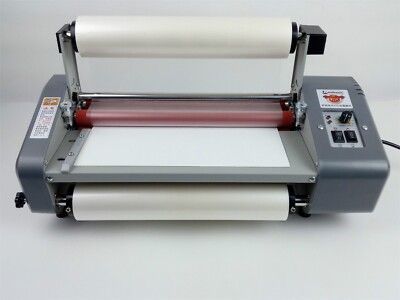
These machines vary in size and complexity. Small pouch laminators are often used for documents, while large roll laminators are used in printing and packaging environments.
Useful Digital Tools and Educational Resources
-
Printing workflow management software
-
Packaging design platforms
-
Industrial materials databases
-
Manufacturing process simulation tools
Some helpful knowledge platforms include:
-
Printing technology research publications
-
Packaging engineering journals
-
industrial materials science databases
Reference Tables for Lamination Film Thickness
| Film Thickness | Common Use | Durability Level |
|---|---|---|
| 1.5–3 mil | Basic document protection | Low |
| 3–5 mil | Classroom materials and charts | Medium |
| 5–10 mil | Identification cards and signage | High |
| 10+ mil | Industrial or heavy-duty applications | Very High |
Simplified Lamination Process Flow
| Step | Description |
|---|---|
| Preparation | Document or material cleaned and aligned |
| Film Placement | Lamination film positioned around the material |
| Heating/Pressure | Film bonded using heat or pressure |
| Cooling | Laminated material cooled to stabilize |
| Trimming | Excess film removed for clean edges |
These tools and resources help users understand lamination workflows and achieve consistent results.
Frequently Asked Questions
What is the difference between hot lamination and cold lamination?
Hot lamination uses heat to melt adhesive layers that bond film to a surface. Cold lamination relies on pressure-sensitive adhesive films that bond without heat. Cold lamination is typically used for heat-sensitive materials.
What materials can be laminated?
Common laminated materials include paper, photographs, printed charts, labels, and certain plastics. Some industrial laminates also combine foil and polymer layers.
How does lamination improve durability?
Lamination creates a protective barrier that prevents moisture, dirt, and mechanical damage. This barrier reduces tearing, fading, and surface wear.
What film thickness is suitable for everyday documents?
Films between 3 and 5 mil thickness are commonly used for documents and educational materials because they provide moderate durability without excessive rigidity.
Is lamination used in packaging technology?
Yes. Laminated layers are widely used in flexible packaging systems. Multiple material layers can improve barrier properties and protect products from oxygen, moisture, and contamination.
Conclusion
Lamination is a widely used protective process that improves the durability, longevity, and presentation of printed materials and industrial components. By applying thin protective films through heat or pressure, lamination shields surfaces from environmental damage and physical wear.
The technology plays an important role across multiple industries including printing, packaging, manufacturing, and education. Recent developments in recyclable materials, automated equipment, and digital printing compatibility show that lamination continues to evolve alongside modern production technologies.
Understanding lamination basics—including materials, techniques, equipment, and regulatory considerations—helps individuals and organizations protect valuable information and materials more effectively. As environmental awareness and manufacturing innovation grow, lamination processes are likely to become more sustainable, efficient, and technologically advanced.

YOU MAY ALSO LIKE