Many industrial structures rely on curved metal components rather than flat sheets. Sheet metal rolling technology allows engineers and technicians to transform flat metal plates into shapes used in pipes, storage tanks, structural frames, and pressure vessels.
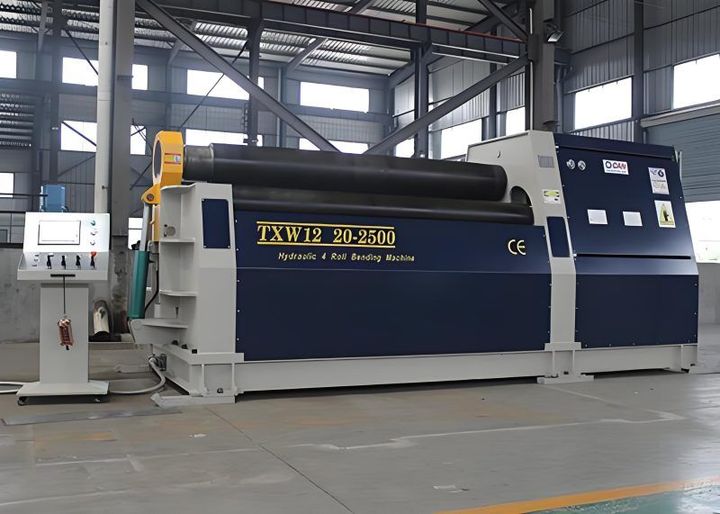
The operation of a rolling machine is based on a simple mechanical principle. A flat sheet passes between multiple rotating rollers. As pressure increases gradually, the metal sheet bends into a curve while maintaining material strength and surface consistency.
Most sheet metal rolling systems use either three or four rollers arranged in a controlled mechanical configuration. The rollers rotate and apply pressure to shape the sheet according to the required curvature.
Common machine configurations used in industrial sheet metal forming technology include:
| Machine Type | Description | Typical Applications |
|---|
| Three-Roll Plate Rolling Machine | Uses two lower rollers and one adjustable top roller | Cylindrical metal shells |
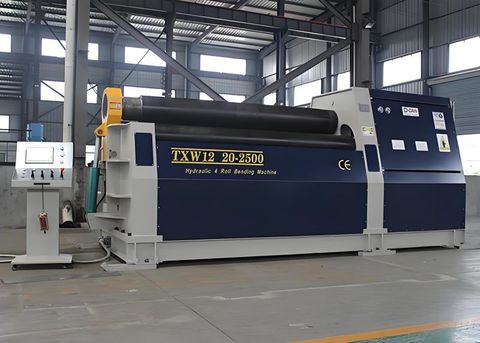
| Four-Roll Plate Rolling Machine | Includes two central rollers with additional side rollers | Industrial tanks and pressure vessels |
| Pyramid Rolling Machine | Rollers arranged in triangular structure | Basic metal bending tasks |
| Variable Geometry Rolling Machine | Adjustable roller position for complex curves | Heavy metal fabrication |
Materials frequently processed in sheet metal rolling operations include:
-
Carbon steel
-
Stainless steel
-
Aluminum sheets
-
Copper alloys
-
Structural metal plates
These machines are an important part of industrial metal fabrication systems, precision plate rolling technology, and advanced metal forming processes.
Why Sheet Metal Rolling Machines Matter Today
Modern infrastructure and industrial systems depend heavily on curved metal structures. Sheet metal rolling machines make it possible to produce these structures efficiently while maintaining precision and structural stability.
Many industries require curved components that would be difficult or inefficient to produce through manual shaping methods. Rolling technology provides a controlled method of bending thick metal sheets while preserving the material's strength.
Industries commonly using sheet metal rolling machines include:
-
Construction and infrastructure development
-
Energy generation equipment manufacturing
-
Automotive structural fabrication
-
Marine and shipbuilding industries
-
Aerospace structural engineering
One major advantage of sheet metal rolling technology is the ability to create continuous curved metal surfaces. Instead of assembling multiple pieces, a rolling machine can produce a smooth cylindrical form from a single sheet.
Key benefits of modern rolling machines include:
-
Consistent curvature and dimensional accuracy
-
Reduced material waste during fabrication
-
Improved efficiency in industrial production
-
Stronger curved metal components
The integration of computer-controlled sheet metal forming systems has also improved manufacturing accuracy. Automated systems can control roller pressure, alignment, and sheet positioning to produce repeatable results across large production runs.
These improvements make sheet metal rolling machines an essential part of modern industrial manufacturing automation.
Recent Developments in Metal Rolling Technology
Manufacturing technology continues to evolve as industries adopt smarter and more efficient production systems. Several developments have influenced sheet metal rolling machines during the past year.
Smart monitoring systems introduced in manufacturing facilities (2025)
Industrial fabrication environments have begun integrating sensors that monitor roller pressure, machine vibration, and temperature. These systems provide real-time performance data that helps operators maintain consistent forming conditions.
Growth of computer-controlled rolling machines (2025–2026)
Computer numerical control systems are increasingly used to manage bending parameters and roller adjustments. These systems allow machines to perform complex rolling operations with high precision.
Improved energy efficiency in industrial machinery (2025)
Recent machine designs focus on reducing energy consumption through optimized hydraulic systems and variable-speed motors. This improvement supports more sustainable manufacturing operations.
Digital integration in manufacturing environments
Many fabrication facilities now connect machines to centralized monitoring platforms. These systems collect data about machine performance, production cycles, and maintenance requirements.
Such developments reflect the broader movement toward smart manufacturing systems and automated metal fabrication technology.
Safety Regulations and Industrial Machinery Policies
Industrial machines such as sheet metal rolling equipment operate under safety regulations designed to protect workers and maintain secure manufacturing environments. These guidelines focus on preventing mechanical accidents and ensuring proper machine operation.
Safety regulations commonly address several areas:
-
Machine guarding and protective barriers
-
Emergency stop systems
-
Routine equipment inspection procedures
-
Operator training requirements
Manufacturing organizations often follow international machinery safety standards when operating heavy equipment. These standards provide guidelines for designing and maintaining industrial machines safely.
Examples of common industrial safety frameworks include:
| Safety Area | Purpose |
|---|
| Machinery safety principles | General safety design guidance |
| Industrial equipment operation rules | Safe use of forming machines |
| Electrical safety standards | Protection from electrical hazards |
Workplace safety practices in metal fabrication facilities may include:
-
Regular maintenance and inspection schedules
-
Monitoring hydraulic and mechanical components
-
Clear operational procedures for machine operators
-
Training programs focused on industrial machine safety
These safety practices help reduce operational risks and improve reliability in industrial metal forming environments.
Helpful Tools and Technical Resources
Professionals working with sheet metal rolling systems often rely on digital tools and technical resources to support design and fabrication processes. These resources help engineers analyze materials, calculate bending parameters, and simulate forming operations.
Common resources used in metal fabrication engineering include:
Sheet metal bending calculators
These tools estimate bending radius and required rolling pressure based on factors such as sheet thickness and material strength.
Typical inputs used in calculations include:
Computer-aided design platforms
Design software allows engineers to create digital models of curved metal components before fabrication begins. These models help identify potential structural issues and optimize dimensions.
Key functions often include:
-
Three-dimensional metal component modeling
-
Structural stress simulation
-
Manufacturing tolerance evaluation
Manufacturing simulation tools
Simulation systems allow engineers to analyze how metal sheets behave during rolling operations. This helps prevent defects such as uneven curvature or structural stress.
Educational and technical learning resources
Online engineering resources provide detailed explanations of:
These tools support better understanding of advanced sheet metal fabrication technology.
Frequently Asked Questions
What does a sheet metal rolling machine do?
A sheet metal rolling machine bends flat metal sheets into curved or cylindrical shapes by passing the material between rotating rollers that apply controlled pressure.
What metals are commonly used in sheet metal rolling processes?
Common materials include carbon steel, stainless steel, aluminum, copper alloys, and other structural metals used in industrial manufacturing.
What is the difference between three-roll and four-roll machines?
Three-roll machines use a triangular roller arrangement for basic bending tasks, while four-roll machines provide greater precision and better control for complex metal forming operations.
Why are computer-controlled systems used in rolling machines?
Computer control improves precision by allowing operators to program bending parameters and repeat the same process consistently across multiple sheets.
What safety measures are important when operating rolling machines?
Important safety measures include machine guarding, emergency stop systems, operator training, and routine inspection of mechanical and hydraulic components.
Conclusion
Sheet metal rolling machines are a critical component of modern industrial manufacturing. These machines allow flat metal sheets to be transformed into curved structures used across infrastructure, energy systems, transportation equipment, and heavy engineering applications.
Advancements in automated control systems, digital monitoring tools, and energy-efficient machine designs have improved the performance of modern rolling equipment. These improvements enable higher precision, consistent results, and safer manufacturing operations.
Safety standards and regulatory guidelines further support the responsible use of industrial machinery. Through proper training, maintenance, and adherence to equipment safety practices, manufacturing facilities can maintain reliable production environments.
As technology continues to advance, sheet metal rolling machines remain an essential part of precision metal forming processes, supporting industries that rely on strong and accurately shaped metal components.