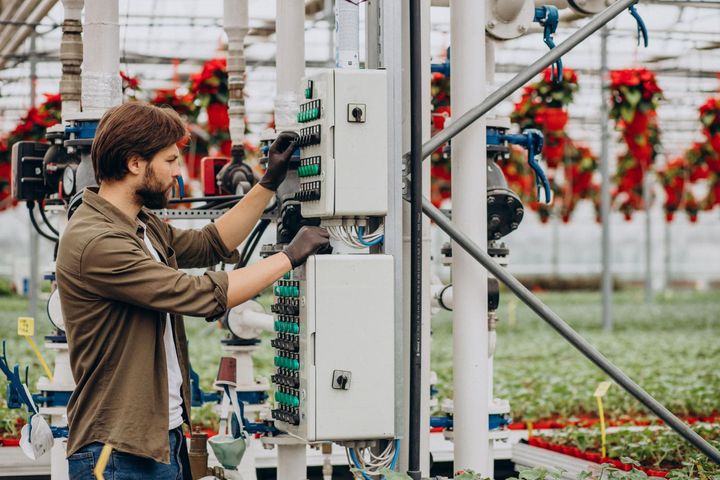
Understanding Power Substation Equipment: Components, Types, Technology, and Power Grid Insights
Power substation equipment refers to the specialized systems and devices used in electrical infrastructure to manage the transmission and distribution of electricity. In modern electrical power distribution systems, substations act as critical connection points between power generation facilities and the end users who rely on electricity for homes, businesses, and industrial operations.
What Power Substation Equipment Is and Why It Exists
A typical transformer and substation setup contains equipment that converts electrical voltage levels, monitors energy flow, and protects the power network from faults or overload conditions. Electricity generated at power plants is usually transmitted over long distances at extremely high voltages to reduce energy loss. When this electricity reaches population centers or industrial areas, substations adjust the voltage to appropriate levels for safe and reliable use.
The development of advanced electrical utility substation equipment has allowed modern power networks to operate more efficiently and with greater reliability. Substations also support grid stability by balancing supply and demand in the power grid substation technology infrastructure.
In an industrial electrical substation environment, multiple components work together. These include power transformer substation units, high voltage switchgear, control systems, and monitoring equipment that ensure electricity flows safely through the grid.
Why Power Substation Equipment Matters Today
Reliable electricity is essential for nearly every aspect of modern life. From transportation and healthcare to data centers and manufacturing, energy infrastructure depends on well-maintained and well-designed substations.
Power grid substation technology has become increasingly important as countries expand renewable energy systems, electrified transportation networks, and digital infrastructure.
Several key challenges highlight the importance of substation equipment:
• Increasing electricity demand in urban and industrial areas
• Integration of renewable energy sources such as solar and wind
• Grid stability during peak consumption periods
• Protection of electrical power distribution systems from faults
Substation automation systems are now widely used to monitor equipment conditions and detect problems before they affect the grid. Automation improves response times during outages and helps operators maintain stable electrical supply.
In many regions, upgrading high voltage substation equipment is also part of national infrastructure modernization programs. These upgrades support improved efficiency, reduced power losses, and enhanced monitoring capabilities.
The impact extends beyond power companies. Industries, municipalities, and transportation systems all depend on stable industrial electrical substation networks to maintain continuous operations.
Types of Power Substation Equipment and Configurations
Different types of substations are used depending on the stage of electricity transmission and distribution. Each configuration uses specific substation equipment designed for its function within the electrical grid.
Transmission Substations
Transmission substations operate at extremely high voltage levels and serve as major connection points within the national or regional power grid.
Key features include:
• High voltage switchgear
• Power transformer substation units
• Protection and relay systems
• Grid monitoring equipment
These substations help route electricity across long-distance transmission lines.
Distribution Substations
Distribution substations convert high transmission voltage into lower levels that can be delivered through local electrical power distribution systems.
Common equipment includes:
• Transformer and substation control systems
• Distribution transformers
• Circuit breakers and isolators
• Voltage regulation systems
Distribution substations often serve cities, residential areas, and commercial zones.
Industrial Substations
Industrial electrical substation installations are designed specifically for factories, refineries, and manufacturing plants.
They typically contain:
• Custom power transformer substation equipment
• Industrial high voltage switchgear
• Load management systems
• Substation automation systems for monitoring operations
Industrial substations support heavy electrical loads required by machinery and large-scale production processes.
Digital or Smart Substations
Modern smart substations use advanced communication systems and digital monitoring technologies.
These installations integrate:
• Power grid substation technology with remote monitoring
• Digital relays and sensors
• Automated protection systems
• Data-driven equipment diagnostics
Digital substations are becoming more common as utilities adopt intelligent grid infrastructure.
Benefits and Applications of Substation Equipment
Power substation equipment plays an essential role in maintaining stable electrical infrastructure. The design and operation of substations influence the reliability, safety, and efficiency of electricity delivery.
Some of the primary benefits include:
Voltage Control and Energy Efficiency
Power transformer substation equipment adjusts voltage levels to reduce energy losses during transmission and distribution.
Grid Reliability
High voltage switchgear protects electrical power distribution systems from faults, short circuits, and overloads.
Operational Monitoring
Substation automation systems allow engineers to monitor performance in real time and identify potential problems before they escalate.
Renewable Energy Integration
Modern electrical utility substation equipment supports renewable energy integration by managing variable power inputs from wind and solar sources.
Applications for substation technology extend across many sectors:
• National and regional power grid networks
• Industrial manufacturing facilities
• Rail and metro transportation systems
• Data centers and digital infrastructure
• Renewable energy generation facilities
Leading Global Companies in Substation Technology
Several major companies contribute to the development of advanced electrical utility substation equipment and grid infrastructure technologies.
The following organizations are widely recognized for their contributions to transformer and substation systems.
| Company | Headquarters | Key Focus |
|---|---|---|
| Siemens Energy | Germany | High voltage substation equipment and grid automation |
| Hitachi Energy | Switzerland | Digital substations and transformer technology |
| ABB | Switzerland | Power grid substation technology and protection systems |
| Schneider Electric | France | Electrical power distribution systems and automation |
| General Electric Grid Solutions | United States | Transmission infrastructure and grid monitoring |
These companies develop technologies that support both traditional electrical networks and next-generation smart grids.
Recent Developments in Substation Technology
The past year has seen several important developments in the field of electrical power distribution systems and substation modernization.
Growth of Digital Substations (2025)
Many utility providers expanded digital substation programs during 2025, integrating sensors, data analytics, and automation into existing transformer and substation networks.
Grid Modernization Projects (2024–2025)
Large-scale power grid upgrades were announced in several regions to strengthen grid resilience and improve electricity transmission capacity.
Expansion of Renewable Energy Infrastructure (2025)
As solar and wind generation increase globally, new electrical utility substation equipment has been installed to support renewable energy integration.
Improved Monitoring Technologies (2025)
Recent advancements in substation automation systems include predictive maintenance tools that analyze equipment data to identify early warning signs of system failure.
These developments reflect the growing role of intelligent power grid substation technology in modern infrastructure planning.
Laws, Regulations, and Government Programs
Power substation infrastructure operates under strict regulations to ensure safety, reliability, and environmental compliance.
Several regulatory frameworks affect high voltage substation equipment and electrical utility operations.
Grid Safety Standards
International engineering standards define safety requirements for electrical power distribution systems, including insulation levels, grounding practices, and protective equipment.
National Energy Regulations
Government agencies often regulate how industrial electrical substations connect to the national grid and how electricity infrastructure is maintained.
Grid Modernization Programs
Many governments have introduced initiatives to upgrade aging infrastructure and support renewable energy integration.
For example, energy policies in multiple countries now encourage investment in advanced substation automation systems to enhance grid resilience and monitoring capabilities.
These regulations ensure that transformer and substation networks operate safely while supporting long-term energy security.
Tools and Resources for Understanding Substation Systems
A variety of technical tools and resources help engineers, students, and researchers understand how power substation equipment functions.
Helpful resources include:
• Electrical grid simulation software for modeling power networks
• Transformer design calculators used in engineering analysis
• Power system monitoring dashboards used in utility control centers
• Academic publications covering power grid substation technology
• Industry organizations providing technical standards and research
Educational institutions and professional engineering societies also publish training materials related to electrical power distribution systems and substation operation.
These tools support both learning and professional development in the energy infrastructure sector.
Frequently Asked Questions
What does a power substation do?
A power substation converts electrical voltage levels and distributes electricity through the grid. It uses transformer and substation equipment to manage the safe transfer of electricity from transmission lines to distribution networks.
What equipment is used in a substation?
Typical substation equipment includes power transformer substation units, high voltage switchgear, circuit breakers, protective relays, and monitoring systems used in electrical power distribution systems.
What is a digital substation?
A digital substation uses modern communication networks, sensors, and substation automation systems to monitor and control electrical infrastructure more efficiently.
Why is high voltage used in power transmission?
Electricity is transmitted at high voltage to reduce energy losses over long distances. High voltage substation equipment helps safely convert these levels for distribution.
How do substations support renewable energy?
Substations integrate renewable energy into the grid by managing fluctuating power inputs from solar and wind sources using advanced power grid substation technology.
Conclusion
Power substation equipment forms the backbone of modern electrical infrastructure. By managing voltage levels, protecting the grid, and enabling efficient energy transmission, substations play a critical role in maintaining reliable electricity supply.
Technologies such as high voltage switchgear, power transformer substation systems, and substation automation systems allow electrical power distribution systems to operate safely and efficiently across large geographic areas.
As global energy demand continues to grow, investment in advanced electrical utility substation equipment and digital power grid substation technology is expected to remain a central focus for utilities, engineers, and policymakers.
Modern substations are evolving into intelligent infrastructure hubs that support renewable energy integration, grid monitoring, and resilient power networks.
Informational Disclaimer
Information related to infrastructure technologies, equipment specifications, or implementation practices is based on general industry knowledge and publicly available sources. Technical configurations, performance characteristics, and infrastructure planning details may vary depending on location, regulatory frameworks, and engineering requirements. Readers should consult qualified electrical engineering professionals or official regulatory resources for project-specific guidance.