Learn About PeproTech ELISA Kits and Their Role in Biotechnology, Diagnostics, and Biomedical Research
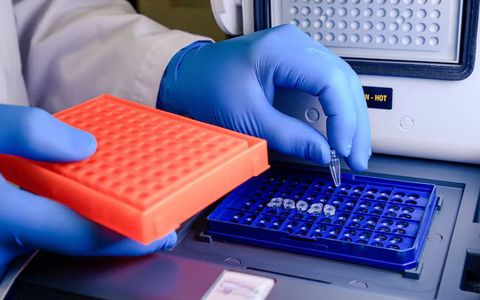
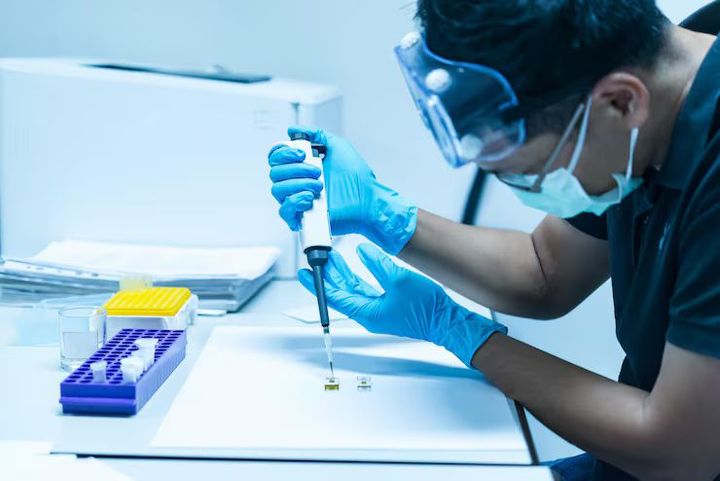
PeproTech ELISA Kits are laboratory tools widely used for detecting and measuring proteins, cytokines, growth factors, and other biological molecules. These kits support researchers, laboratory professionals, and scientific organizations in obtaining reliable analytical data from biological samples.
As biotechnology, diagnostics, and biomedical research continue to evolve, accurate measurement technologies have become increasingly important. ELISA, which stands for Enzyme-Linked Immunosorbent Assay, remains one of the most commonly used analytical methods because of its sensitivity, consistency, and adaptability across multiple research fields.
In recent years, growing interest in personalized medicine, biomarker discovery, immunology, and cell biology has increased the importance of high-quality assay systems. Researchers worldwide rely on ELISA-based techniques to better understand disease mechanisms, biological pathways, and therapeutic responses.
From academic laboratories to pharmaceutical development environments, these kits contribute to scientific progress by supporting data-driven decision-making. Understanding how PeproTech ELISA Kits function and where they fit within modern laboratory workflows provides valuable context for both beginners and experienced professionals.
The following sections explore their applications, benefits, industry developments, and practical considerations.
Who it affects and what problems it solves
PeproTech ELISA Kits affect a broad range of stakeholders across biotechnology, healthcare research, pharmaceutical development, academic institutions, and diagnostic laboratories. Scientists studying immune responses, cellular signaling, inflammation, and disease biomarkers frequently use ELISA technology as part of their experimental workflows.
Biomedical researchers often face challenges when attempting to quantify proteins accurately in complex biological samples. Variability, sample quality concerns, and analytical sensitivity requirements can make data collection difficult. ELISA kits help address these challenges by providing structured testing methods that improve consistency and reproducibility.
Diagnostic laboratories may utilize similar immunoassay principles to support the identification and monitoring of biological indicators. Meanwhile, biotechnology organizations depend on reliable analytical tools when evaluating biological products, cell cultures, and experimental treatments.
Common practical situations include measuring cytokine levels in immune studies, monitoring protein expression during drug development, evaluating cellular responses in tissue research, and supporting biomarker investigations. These applications contribute to better understanding of biological systems and experimental outcomes.
One common mistake among beginners is assuming that all assay kits perform identically. In reality, factors such as sensitivity, specificity, sample preparation, and protocol adherence can significantly influence results. Another frequent challenge involves improper sample handling, which may affect analytical accuracy.
By providing standardized methodologies and validated components, ELISA kits help laboratories reduce procedural variability while supporting more dependable research outcomes.
Recent updates and industry trends
Over the past year, biotechnology and diagnostic research have continued to emphasize greater analytical precision, workflow automation, and data integration. Many organizations globally are investing in advanced laboratory systems that improve efficiency while maintaining high-quality scientific standards.
Recent industry research suggests growing interest in multiplex analysis, digital laboratory management systems, and automated sample processing technologies. While traditional ELISA remains widely used, laboratories increasingly integrate assay workflows with laboratory information management systems and data analytics platforms.
Automation developments have focused on reducing manual handling steps, improving consistency, and supporting higher-throughput testing environments. These advancements can help laboratories process larger sample volumes while maintaining reproducible results.
Platform evolution has also encouraged stronger integration between analytical instruments, cloud-based data management solutions, and research software. Such integration supports improved documentation, quality assurance, and collaboration among scientific teams.
Many organizations globally are also prioritizing assay validation, reproducibility initiatives, and standardized research practices. These efforts reflect broader industry goals aimed at strengthening confidence in scientific findings and improving cross-laboratory consistency.
As biotechnology research expands into areas such as immunotherapy, precision medicine, and advanced biomarker discovery, ELISA technologies continue to play a significant role within modern analytical workflows.
Comparison of ELISA kit characteristics
Different ELISA solutions may vary depending on research objectives, laboratory infrastructure, and analytical requirements. The following comparison highlights important evaluation factors.
| Comparison Factor | Standard ELISA Workflow | Advanced Automated ELISA Workflow |
|---|---|---|
| Efficiency | Moderate | High |
| Automation | Limited | Extensive |
| Scalability | Moderate | High |
| Maintenance Requirements | Lower | Moderate |
| Flexibility | High | High |
| Processing Speed | Moderate | Faster |
| Reliability | High | High |
| Data Management | Manual or Semi-Digital | Integrated Digital Systems |
| Implementation Complexity | Lower | Higher |
| Integration Capability | Basic | Advanced |
| Sample Throughput | Moderate | High |
| Quality Control Support | Standard | Enhanced |
The comparison demonstrates that both traditional and automated approaches continue to have value depending on laboratory needs. Smaller research environments often benefit from straightforward workflows, while larger facilities may prioritize automation and throughput.
Another key insight is that reliability and analytical quality depend not only on technology selection but also on proper protocol execution, staff training, and quality assurance practices.
Regulations and practical guidance
Biotechnology and biomedical research activities typically operate within established international standards designed to support scientific integrity, laboratory safety, and quality management. Laboratories using ELISA kits are generally expected to follow documented procedures, maintain equipment appropriately, and ensure accurate recordkeeping.
Quality management frameworks often emphasize traceability, reproducibility, and validation of analytical methods. Researchers should carefully review assay instructions, sample requirements, storage recommendations, and performance specifications before initiating experiments.
Safety expectations include proper handling of biological materials, appropriate use of personal protective equipment, and adherence to laboratory biosafety practices. Environmental considerations may involve responsible disposal of laboratory reagents, consumables, and biological waste according to applicable guidelines.
Compliance considerations frequently include documentation of experimental procedures, calibration records, quality control activities, and data management practices. Maintaining complete records can support internal audits, research transparency, and scientific reproducibility.
Industry best practices also encourage routine training, standardized workflows, and regular review of laboratory procedures. These measures help reduce errors and support consistent analytical performance.
Which option suits different situations?
Small operations:
Smaller laboratories often benefit from manual or semi-automated ELISA workflows due to simpler implementation requirements and manageable sample volumes.
Large-scale systems:
Organizations processing large numbers of samples may benefit from automated systems that improve throughput, workflow consistency, and data integration.
Beginners:
Individuals new to ELISA methodologies generally benefit from standardized protocols, structured training, and clear documentation practices.
Experienced professionals and growing organizations:
Advanced users may leverage automation, integrated software platforms, and sophisticated quality management systems to support expanding research programs and complex analytical needs.
Tools and resources
A variety of resources can support effective use of ELISA technologies and laboratory workflows.
- Laboratory Information Management Systems (LIMS) — Help organize research data and laboratory records.
- Statistical Analysis Software — Supports interpretation of assay results and trend analysis.
- Electronic Laboratory Notebooks — Improve documentation and collaboration.
- Quality Control Templates — Assist with validation and consistency monitoring.
- Sample Tracking Systems — Enhance traceability throughout research workflows.
- Scientific Data Visualization Tools — Support presentation and interpretation of findings.
- Laboratory Automation Platforms — Help streamline repetitive analytical processes.
Frequently asked questions
What are PeproTech ELISA Kits?
PeproTech ELISA Kits are analytical laboratory tools designed to detect and quantify specific biological molecules. They are commonly used in biotechnology, immunology, cell biology, and biomedical research. These kits provide standardized assay components that help researchers generate reproducible and reliable experimental data.
How do ELISA kits differ from other protein detection methods?
ELISA techniques focus on highly specific antibody-based detection of target molecules. Compared with some alternative analytical methods, ELISA often provides a balance of sensitivity, practicality, and accessibility. Different technologies may vary in throughput, complexity, instrumentation requirements, and analytical scope depending on research objectives.
What are the most common applications of ELISA kits?
ELISA kits are widely used for cytokine measurement, biomarker research, protein quantification, immunology studies, disease mechanism investigations, and therapeutic development projects. Researchers utilize these assays across numerous scientific disciplines to better understand biological processes and experimental outcomes.
Are ELISA results affected by laboratory procedures?
Yes. Sample collection, storage conditions, preparation techniques, reagent handling, and protocol adherence can all influence assay performance. Maintaining standardized procedures and quality control practices is important for obtaining accurate and reproducible results. Proper training and documentation further support reliable outcomes.
What future trends may influence ELISA technologies?
Future developments may include greater automation, improved digital integration, enhanced data analytics, and expanded compatibility with advanced laboratory systems. Researchers are also exploring methods that improve throughput, reproducibility, and workflow efficiency while supporting increasingly complex biotechnology and biomedical research applications.
Conclusion
PeproTech ELISA Kits remain important tools within biotechnology, diagnostics, and biomedical research. Their ability to support accurate measurement of biological molecules contributes to a wide range of scientific activities, including immunology studies, biomarker investigations, pharmaceutical research, and cellular analysis. As laboratories continue to prioritize data quality and reproducibility, ELISA methodologies maintain a significant role in modern analytical workflows.
Understanding assay selection, laboratory best practices, quality management principles, and operational requirements helps researchers maximize the value of ELISA-based approaches. Both traditional and automated workflows can provide meaningful benefits when matched appropriately to organizational needs and research objectives.
Looking ahead, global trends such as laboratory automation, digital integration, advanced analytics, and precision research initiatives are expected to shape the future of ELISA technologies. Organizations and researchers should continue monitoring these developments to ensure their analytical strategies remain aligned with evolving scientific and operational expectations.