Jump to a Chapter

Clinic Equipment Explained: Essential Medical Devices, Diagnostic Tools & Healthcare Facility Guide

Clinic Equipment Explained: Essential Medical Devices, Diagnostic Tools & Healthcare Facility Guide

Modern healthcare clinics rely on a wide range of medical equipment to support patient examinations, basic diagnostic procedures, preventive healthcare, treatment planning, infection control, and day-to-day clinical operations. From examination tables and vital sign monitors to sterilization systems and digital diagnostic devices, clinic equipment plays an important role in helping healthcare professionals deliver organized and efficient patient care.


Advances in digital healthcare, artificial intelligence (AI), connected medical devices, and electronic health records have transformed many traditional clinics into technology-enabled healthcare facilities. Today's equipment often provides improved accuracy, faster data collection, digital record integration, and enhanced patient comfort.

This guide explains the major categories of clinic equipment, their general functions, diagnostic technologies, safety considerations, maintenance practices, and emerging healthcare trends from an educational perspective. It does not provide medical, clinical, purchasing, or professional healthcare advice.

What Is Clinic Equipment?

Clinic equipment refers to the medical devices, instruments, furniture, and healthcare technologies used to examine patients, monitor health conditions, support diagnosis, perform minor procedures, and maintain clinical hygiene.

Clinic equipment is commonly found in:

  • General medical clinics
  • Family practice centers
  • Specialty clinics
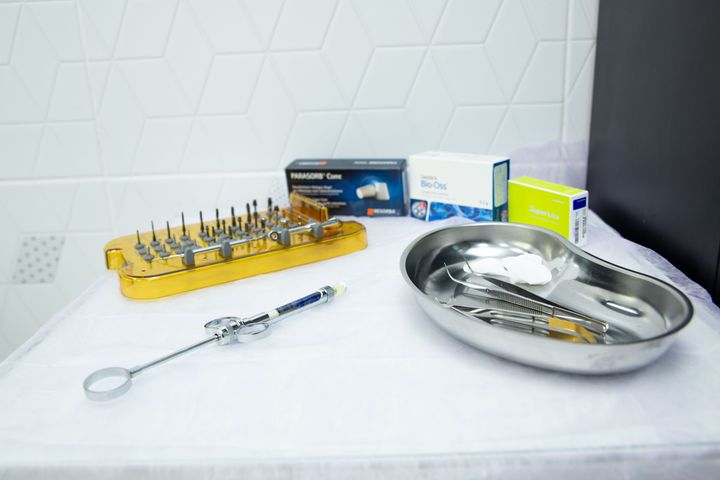
  • Dental clinics
  • Physiotherapy centers
  • Community healthcare facilities
  • Outpatient departments
  • Preventive healthcare centers

The equipment used depends on the services provided by the healthcare facility.

Why Clinic Equipment Is Important

Well-designed medical equipment supports safe and efficient clinical operations.

Its general purposes include:

  • Assisting patient examinations
  • Supporting diagnostic assessments
  • Monitoring vital signs
  • Improving workflow efficiency
  • Maintaining infection control
  • Enhancing patient comfort
  • Supporting healthcare documentation
  • Promoting clinical safety

Healthcare professionals determine the appropriate use of equipment based on patient needs.

Categories of Clinic Equipment

Most healthcare clinics use equipment from several functional categories.

These include:

  • Examination equipment
  • Diagnostic devices
  • Patient monitoring equipment
  • Sterilization systems
  • Medical furniture
  • Emergency equipment
  • Digital healthcare technology
  • Laboratory support equipment

Each category serves different clinical purposes.

Examination Equipment

Examination equipment is commonly used during routine patient assessments.

Examples include:

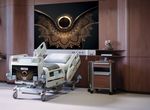
  • Examination tables
  • Examination lights
  • Medical stools
  • Privacy screens
  • Height measuring scales
  • Digital weighing scales

These products help support physical examinations and patient comfort.

Diagnostic Equipment

Diagnostic devices assist healthcare professionals in evaluating patient health.

Common examples include:

  • Digital thermometers
  • Blood pressure monitors
  • Stethoscopes
  • Pulse oximeters
  • Otoscopes
  • Ophthalmoscopes
  • Electrocardiogram (ECG) machines
  • Spirometers

Healthcare professionals interpret diagnostic findings based on clinical evaluation.

Vital Signs Monitoring Equipment

Many clinics routinely monitor basic health indicators.

Common devices include:

  • Blood pressure monitors
  • Pulse oximeters
  • Heart rate monitors
  • Digital thermometers
  • Respiratory monitoring devices

Monitoring equipment helps document patient observations during clinical visits.

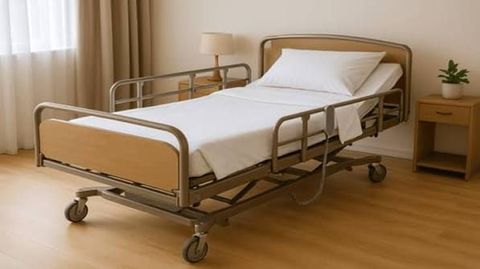
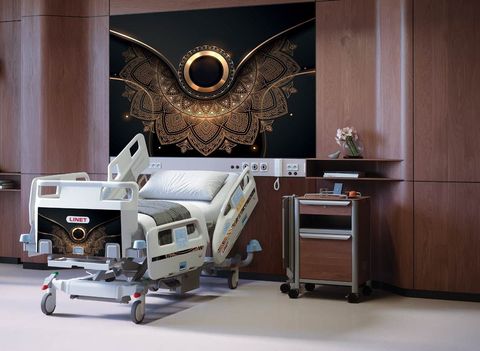
Patient Care Furniture

Medical furniture contributes to patient comfort and workflow efficiency.

Examples include:

  • Examination couches
  • Medical chairs
  • Waiting room seating
  • Instrument trolleys
  • Medicine cabinets
  • Mobile storage units
  • Adjustable stools
  • Utility carts

Furniture selection depends on clinic design and medical specialty.

Sterilization and Infection Control Equipment

Maintaining hygiene is an essential part of healthcare.

Common equipment includes:

  • Autoclaves
  • UV sterilization cabinets
  • Instrument cleaning units
  • Medical waste containers
  • Hand hygiene stations
  • Personal protective equipment storage

Proper sterilization procedures help reduce the risk of contamination.

Emergency Equipment

Many healthcare facilities maintain equipment for emergency preparedness.

Examples include:

  • Automated External Defibrillators (AEDs)
  • Oxygen cylinders
  • Emergency carts
  • Suction devices
  • First-aid equipment
  • Emergency lighting systems

The availability of emergency equipment varies according to facility type and applicable healthcare regulations.

Digital Healthcare Technology

Digital systems are increasingly integrated into clinics.

Common technologies include:

  • Electronic Health Records (EHR)
  • Digital appointment systems
  • Patient registration software
  • Digital prescription systems
  • Medical imaging viewers
  • Cloud-based record management

Digital tools improve information management and administrative efficiency.

Laboratory Support Equipment

Some clinics include basic laboratory facilities.

Equipment may include:

  • Centrifuges
  • Microscopes
  • Specimen storage units
  • Laboratory refrigerators
  • Sample preparation equipment

Laboratory capabilities depend on the clinic's services.

Artificial Intelligence in Clinics

AI is becoming part of many healthcare technologies.

Applications may include:

  • Appointment scheduling
  • Clinical documentation assistance
  • Image analysis support
  • Workflow optimization
  • Administrative automation
  • Predictive maintenance of equipment

AI supports healthcare professionals but does not replace clinical judgment.

Connectivity and Smart Devices

Modern clinic equipment increasingly supports digital connectivity.

Features may include:

  • Wireless data transfer
  • Cloud synchronization
  • Electronic record integration
  • Mobile applications
  • Remote monitoring
  • Device interoperability

These technologies help improve workflow and data accessibility.

Equipment Maintenance

Regular maintenance supports equipment performance and patient safety.

Typical activities include:

  • Cleaning and disinfection
  • Calibration
  • Functional testing
  • Preventive maintenance
  • Software updates
  • Electrical safety checks
  • Component inspection
  • Service documentation

Maintenance schedules are generally established by manufacturers and healthcare organizations.

Safety Considerations

Healthcare facilities follow established safety procedures when using medical equipment.

General practices include:

  • Following manufacturer instructions
  • Routine equipment inspection
  • Proper staff training
  • Infection prevention protocols
  • Safe electrical operation
  • Secure equipment storage
  • Documentation of maintenance
  • Compliance with healthcare regulations

Patient safety remains a primary consideration during equipment use.

Choosing Appropriate Clinic Equipment

Healthcare organizations often consider several factors when selecting equipment.

These include:

  • Clinical requirements
  • Available space
  • Ease of operation
  • Equipment reliability
  • Maintenance needs
  • Safety features
  • Regulatory compliance
  • Compatibility with existing systems

Selection decisions depend on the facility's services and operational requirements.

Emerging Trends in 2026

Healthcare technology continues advancing rapidly.

Current developments include:

  • AI-assisted diagnostic support
  • Connected medical devices
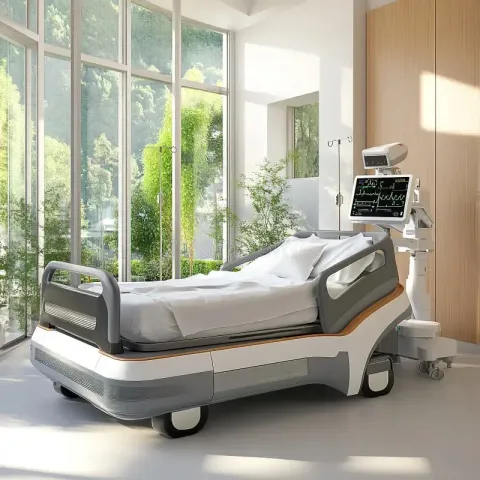
  • Smart patient monitoring
  • Cloud-based healthcare platforms
  • Portable diagnostic equipment
  • Telehealth integration
  • Predictive equipment maintenance
  • Digital healthcare ecosystems

These innovations continue improving efficiency, data accessibility, and patient-centered care.

Frequently Asked Questions

What is clinic equipment?

Clinic equipment includes medical devices, examination tools, diagnostic instruments, furniture, and healthcare technologies used to support patient care and clinical operations.

What diagnostic devices are commonly found in clinics?

Common examples include blood pressure monitors, thermometers, pulse oximeters, stethoscopes, ECG machines, otoscopes, and ophthalmoscopes.

Why is sterilization equipment important?

Sterilization systems help maintain hygiene by reducing contamination risks and supporting infection prevention within healthcare facilities.

How is AI being used in clinics?

AI supports administrative workflows, clinical documentation, scheduling, equipment monitoring, and selected diagnostic assistance while complementing healthcare professionals.

What should healthcare facilities consider when selecting equipment?

Factors commonly include clinical needs, safety features, maintenance requirements, reliability, regulatory compliance, available space, and compatibility with existing healthcare systems.

Conclusion

Clinic equipment forms the foundation of modern outpatient healthcare by supporting patient examinations, diagnostic assessments, infection prevention, digital record management, and day-to-day clinical operations. Advances in connected medical devices, artificial intelligence, cloud technology, and smart monitoring systems continue improving the efficiency and effectiveness of healthcare facilities.

Understanding the different categories of clinic equipment, their functions, maintenance practices, and safety considerations helps healthcare professionals, students, and administrators appreciate the technologies that contribute to quality patient care and modern clinical environments.

Disclaimer

This article is intended solely for informational and educational purposes. It does not provide medical, clinical, diagnostic, engineering, purchasing, regulatory, or professional healthcare advice. It does not endorse, recommend, compare, rank, review, market, or promote any medical device manufacturer, healthcare equipment supplier, software platform, clinic, or healthcare provider. Equipment specifications, features, regulatory approvals, maintenance requirements, and clinical applications vary by manufacturer, country, healthcare setting, and intended use. Readers should consult official equipment documentation and qualified healthcare professionals before selecting, operating, or implementing medical equipment.

author-image

Ravi Shankar Maurya

We create purposeful content that speaks, resonates, and drives action.

July 22, 2026 . 8 min read