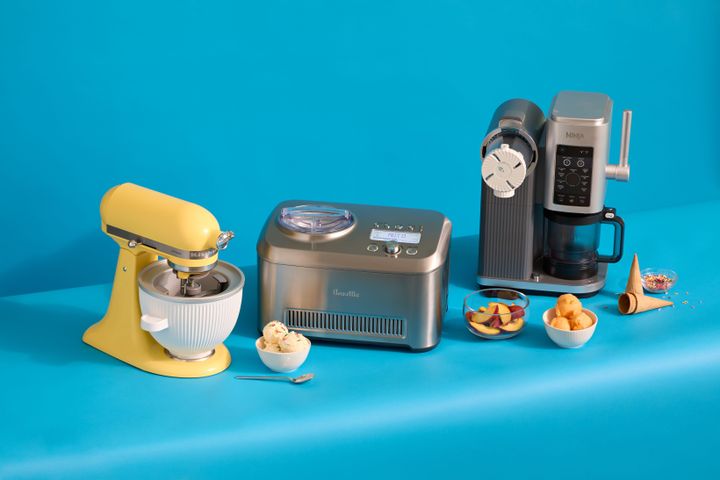
Learn About Ice Cream Machines: Complete Overview, Advice, Facts, and Resources
Ice cream machines are specialized devices designed to freeze and churn a mixture of ingredients to create frozen desserts such as ice cream, soft serve, gelato, and frozen yogurt. The machine’s main purpose is to control temperature and incorporate air into the mixture while freezing, which creates the smooth and creamy texture associated with these desserts.
The basic concept behind these machines is based on controlled freezing and agitation. As the liquid mixture cools, internal paddles or blades constantly churn it. This movement prevents large ice crystals from forming and ensures the dessert maintains a soft and uniform consistency.
Ice cream machines are commonly categorized into several types:
-
Soft-serve machines that produce lighter frozen desserts with higher air content
-
Batch freezers that prepare ice cream in single production cycles
-
Continuous freezers used in larger production environments
-
Compressor machines that contain built-in refrigeration systems
Each type operates on the same core principle: freezing the mixture while simultaneously mixing it. The balance between temperature, air incorporation, and agitation determines the final texture and consistency of the dessert.
Ice cream machines exist because manual freezing methods are inconsistent and time-consuming. Automation allows for precise temperature control and repeatable results, which is important for maintaining quality standards.
Why Ice Cream Machine Technology Matters Today
Ice cream machines are relevant in multiple environments including hospitality settings, food production facilities, culinary training institutions, and research laboratories studying food textures and preservation.
Several factors explain their continued importance:
-
Growing interest in frozen desserts across different regions
-
Increased experimentation with dairy-free and plant-based recipes
-
Expansion of specialty dessert menus in hospitality environments
-
Research into improved food preservation techniques
Modern machines help maintain consistent quality while reducing manual effort. By controlling freezing speed and churning intensity, these machines produce smoother textures compared to traditional freezing methods.
They also support experimentation with a variety of ingredients such as:
-
Plant-based milk alternatives
-
Low-sugar dessert formulations
-
High-protein frozen recipes
-
Functional ingredients used in nutritional products
Food scientists often use ice cream machines to test the effects of ingredient ratios, fat content, and emulsifiers on texture and stability.
The technology also contributes to food safety. Machines designed with sanitary materials and automated cleaning cycles help reduce contamination risks when producing dairy-based desserts.
Recent Developments and Industry Trends
In the past year, several developments have influenced ice cream machine technology and usage.
One noticeable trend during 2025 involved improvements in energy-efficient refrigeration systems. Manufacturers have increasingly integrated variable-speed compressors and improved insulation materials. These advancements help reduce electricity consumption while maintaining consistent freezing performance.
Another development has been the integration of digital monitoring systems. Newer models often include:
-
Temperature sensors
-
Production monitoring dashboards
-
Automated cleaning alerts
-
Maintenance reminders
These systems allow operators to track performance and ensure consistent product quality.
The expansion of plant-based frozen desserts has also influenced machine design. Alternative ingredients such as oat-based or almond-based mixtures freeze differently than dairy. As a result, some machines now allow more precise adjustments in freezing cycles and mixing speeds.
In addition, compact countertop models have gained attention during 2024–2025, particularly in educational kitchens and culinary training programs. These machines allow users to explore frozen dessert preparation without requiring large equipment.
The following table summarizes several technological developments observed recently.
| Technology Feature | Purpose | Impact on Frozen Dessert Production |
|---|---|---|
| Variable-speed compressors | Adjust cooling power dynamically | Improved energy efficiency |
| Digital temperature monitoring | Maintain precise freezing conditions | Consistent texture quality |
| Programmable mixing cycles | Control churning intensity | Customizable recipes |
| Automated sanitation alerts | Remind operators of cleaning cycles | Improved hygiene management |
These innovations reflect broader trends in food equipment design, where digital monitoring and energy efficiency play an increasing role.
Regulations and Policy Considerations
Ice cream machines fall under broader food safety and food processing regulations in many regions. Because they are used for dairy or plant-based food preparation, hygiene and sanitation standards are typically required.
Food safety frameworks generally address the following aspects:
-
Cleanable surfaces and food-grade materials
-
Proper temperature control during freezing
-
Prevention of bacterial contamination
-
Routine equipment sanitation procedures
Food processing environments often follow internationally recognized safety systems such as the Hazard Analysis and Critical Control Points (HACCP) framework. This system identifies potential food safety risks and establishes monitoring procedures to reduce them.
Another widely recognized standard influencing food equipment design is ISO 22000, a global food safety management system that outlines best practices for handling and processing food products.
In addition, some jurisdictions apply guidelines regarding:
-
Refrigeration temperature limits for dairy products
-
Equipment sanitation schedules
-
Traceability requirements for food production
These rules are designed to protect consumers by ensuring frozen dessert production follows hygienic and safe processing methods.
In many cases, compliance also includes documentation such as equipment maintenance records and sanitation logs.
Helpful Tools and Educational Resources
Learning about ice cream machines often involves exploring culinary science, equipment technology, and food safety practices. Various tools and resources help individuals better understand these topics.
Educational platforms frequently provide information on dessert formulation, refrigeration science, and ingredient interactions.
Useful resources may include:
-
Online culinary education platforms
-
Food science textbooks and reference materials
-
Equipment maintenance guides
-
Digital temperature monitoring tools
The following table lists examples of commonly used informational resources.
| Resource Type | Purpose |
|---|---|
| Recipe formulation calculators | Estimate ingredient ratios and freezing points |
| Food safety guideline databases | Provide information on sanitation and food handling |
| Culinary training platforms | Offer structured learning about frozen desserts |
| Equipment maintenance logs | Track cleaning and operational schedules |
Some professionals also use temperature-tracking apps or digital sensors to record freezing conditions during experimentation or training.
Another helpful approach is studying ingredient properties. Fat content, sugar levels, and stabilizers all influence how frozen desserts form and maintain texture.
Educational resources in food science explain these relationships and demonstrate how equipment settings interact with recipe composition.
Frequently Asked Questions
What is the basic function of an ice cream machine?
An ice cream machine freezes a liquid mixture while simultaneously mixing it. This process prevents large ice crystals from forming and creates a smooth, creamy texture.
Why does churning matter when making ice cream?
Churning introduces air into the mixture and keeps the ingredients moving during freezing. This reduces ice crystal size and produces a softer and more stable dessert texture.
What ingredients typically go into ice cream mixtures?
Common ingredients include milk or plant-based alternatives, sweeteners, fats, stabilizers, and flavoring components. The proportions influence texture and freezing behavior.
How do modern machines maintain consistent quality?
Many machines use sensors and programmable cycles to regulate temperature, churning speed, and freezing duration. These controls help produce consistent results.
Are there safety considerations when using ice cream machines?
Yes. Equipment must be cleaned regularly and maintained at appropriate temperatures. Food safety guidelines help prevent contamination when handling dairy or other ingredients.
Conclusion
Ice cream machines play an important role in the preparation of frozen desserts by combining refrigeration technology with controlled mixing. Their ability to manage temperature and agitation allows for consistent textures that would be difficult to achieve through manual freezing methods.
Recent advancements have improved energy efficiency, introduced digital monitoring features, and supported experimentation with alternative ingredients. These changes reflect broader developments in food equipment technology and culinary science.
At the same time, food safety standards and sanitation guidelines influence how ice cream machines are designed and maintained. Compliance with recognized frameworks helps ensure that frozen dessert production remains hygienic and reliable.
Understanding the technology behind these machines, along with the tools and resources available for learning about them, provides valuable insight into the science of frozen desserts and modern food preparation systems.