Leading Screw And Bolt Suppliers Guide With Industrial Fastener Insights
Screws and bolts are among the most essential mechanical fasteners used across construction, automotive manufacturing, industrial machinery, aerospace systems, electronics, energy infrastructure, and consumer products worldwide. These components are designed to join materials securely while supporting structural stability, vibration resistance, and long-term mechanical performance. Modern fastener systems include a wide variety of bolts, screws, nuts, washers, anchors, and specialty fastening solutions manufactured from materials such as steel, stainless steel, brass, titanium, and engineered alloys. Because industrial systems rely heavily on secure mechanical connections, the quality and reliability of fasteners remain critical across nearly every manufacturing sector.
This comparison matters globally because industrial supply chains and infrastructure development continue increasing demand for reliable fastening systems. According to global manufacturing research, industries are placing greater emphasis on durability, corrosion resistance, precision engineering, and supply chain stability when selecting screw and bolt suppliers. As automation, renewable energy projects, transportation systems, and industrial equipment become more advanced, fastener technologies are also evolving to support higher strength requirements, specialized materials, and more demanding operational environments.
The real-world impact of fastener selection extends far beyond small mechanical components alone. Poor-quality screws or bolts may contribute to equipment failures, structural instability, maintenance issues, or safety risks within industrial systems. On the other hand, properly engineered fastening solutions may improve operational reliability, simplify maintenance procedures, and support long-term infrastructure durability. Understanding how leading screw and bolt suppliers differ helps businesses and technical professionals make more informed procurement and engineering decisions, which naturally leads into who these systems affect and the common challenges they aim to solve.
Who It Affects & Problems It Solves
Industrial fastener systems affect a broad range of industries and professionals globally. Construction companies rely on bolts and anchors to support structural steel systems, bridges, and infrastructure projects. Automotive manufacturers use precision screws and fastening systems throughout vehicle assembly and safety-critical components. Machinery producers depend on industrial fasteners to maintain equipment reliability under vibration, pressure, and heavy operational loads. Aerospace, marine, renewable energy, electronics, and telecommunications sectors also require specialized fastening technologies designed for unique environmental and engineering conditions.
Without reliable screw and bolt systems, many industrial operations worldwide would struggle with structural integrity, assembly consistency, and long-term maintenance reliability. Fasteners help solve these challenges by providing secure mechanical connections capable of handling stress, temperature changes, vibration, and environmental exposure. Some suppliers specialize in corrosion-resistant stainless steel systems, while others focus on high-strength industrial bolts, lightweight aerospace fasteners, or precision miniature screws used in electronics manufacturing. These specialized products support safer and more efficient industrial operations across many sectors.
A common mistake organizations make is selecting fasteners based only on cost without evaluating material compatibility, load requirements, or environmental conditions. For example, a bolt suitable for indoor machinery may fail prematurely in marine or high-humidity environments because of corrosion exposure. Another issue involves overlooking supplier quality control and certification standards. As industrial systems become more advanced and globally interconnected, manufacturers are investing more heavily in precision engineering, material testing, and automated production technologies, which connects naturally to recent developments shaping the industrial fastener sector worldwide.
Recent Updates
Over the past year, industrial fastener manufacturers globally have increased focus on advanced materials and corrosion-resistant technologies. Stainless steel, coated alloy fasteners, and lightweight engineered materials are becoming more common because industries require stronger durability under challenging operational conditions. Renewable energy projects, transportation systems, and industrial automation infrastructure have contributed significantly to growing demand for specialized fastening solutions.
In early 2025, automation and smart manufacturing continued expanding across fastener production facilities. Manufacturers increasingly use robotics, computer-controlled machining systems, and digital quality monitoring tools to improve precision and production consistency. Automated inspection technologies are also helping suppliers reduce manufacturing defects and strengthen quality assurance processes across high-volume production environments.
Another important development involves sustainability and supply chain efficiency within the industrial fastener industry. Many suppliers are exploring recycled metal integration, energy-efficient production systems, and reduced material waste strategies to align with broader industrial sustainability goals. Supply chain diversification has also become more important as industries seek stronger reliability and reduced disruption risks within global manufacturing networks.
At the same time, demand for application-specific fasteners continues increasing across aerospace, electronics, renewable energy, and electric transportation sectors. Specialized bolts and screws designed for lightweight structures, vibration resistance, and high-performance environments are becoming increasingly important within advanced engineering applications. These developments make it easier to compare different screw and bolt suppliers and understand how industrial fastener systems continue evolving globally.
Comparison Table
The table below compares several common industrial fastener categories and supplier specializations. These comparison factors matter globally because different industries require different balances of strength, corrosion resistance, precision, and scalability.
| Fastener Type | Main Application | Key Advantage | Limitation | Common Material |
|---|---|---|---|---|
| Hex Bolts | Structural assembly | High load capacity | Requires tool access | Carbon steel |
| Stainless Steel Screws | Corrosion-prone environments | Rust resistance | Higher cost | Stainless steel |
| Anchor Bolts | Concrete installation | Strong structural support | Permanent placement | Alloy steel |
| Machine Screws | Precision equipment | Accurate fastening | Smaller load limits | Steel or brass |
| Self-Tapping Screws | Sheet metal assembly | Simplified installation | Material-specific usage | Hardened steel |
| Socket Head Bolts | Industrial machinery | Compact strength design | Specialized tools needed | Alloy steel |
| Titanium Fasteners | Aerospace systems | Lightweight durability | Expensive production | Titanium |
| Coated Fasteners | Outdoor infrastructure | Improved environmental resistance | Coating wear over time | Treated steel |
| Blind Rivets | Lightweight assemblies | One-sided installation | Permanent fastening | Aluminum |
| High-Tensile Bolts | Heavy industrial equipment | Extreme strength support | Precise torque requirements | Heat-treated steel |
The comparison table shows that industrial fastener systems are designed for highly specialized operational conditions and engineering requirements. Some prioritize corrosion resistance, while others focus on structural strength, lightweight performance, or simplified assembly. Understanding these differences creates an important transition into regulations and practical engineering guidance.
Regulations & Practical Guidance
In most countries, industrial fasteners are regulated under broader manufacturing quality, engineering safety, and construction standards. Regulatory authorities globally generally require screws, bolts, and structural fastening systems to meet material strength, dimensional accuracy, and performance specifications appropriate for their intended applications. Industries such as aerospace, automotive manufacturing, and infrastructure development often operate under especially strict certification and testing procedures because fastener reliability directly affects operational safety.
International engineering standards also commonly require manufacturers to maintain quality control systems, traceability procedures, and material testing protocols for industrial fastener production. Most jurisdictions apply operational rules concerning corrosion resistance, load performance, and manufacturing consistency to reduce risks associated with structural failures or equipment malfunctions. Facilities producing safety-critical fasteners are generally expected to follow detailed inspection and certification procedures.
Another important practical consideration involves selecting fasteners based on operational requirements rather than appearance or general size alone. Engineers and procurement specialists globally emphasize evaluating load capacity, vibration exposure, environmental conditions, temperature ranges, and maintenance accessibility before choosing fastening systems. Proper installation procedures and torque management are also important because incorrect assembly practices may reduce long-term fastening reliability even when high-quality components are used.
Which Option Suits Your Situation?
A construction or infrastructure project may benefit most from high-tensile bolts and anchor systems designed for structural stability and heavy load support. These fasteners are commonly used where long-term durability and safety performance are critical.
A marine, outdoor, or chemical-processing environment may require stainless steel or coated fasteners because these systems are often optimized for corrosion resistance and environmental durability under moisture-heavy conditions.
An electronics manufacturer or precision machinery producer may prefer machine screws and miniature fastening systems designed for accurate assembly and compact equipment integration. These fasteners are commonly associated with high-precision engineering environments.
An aerospace or advanced transportation project may benefit from titanium or lightweight alloy fasteners designed to reduce structural weight while maintaining strong mechanical performance. These engineering considerations naturally connect to the tools and industrial resources available for fastener planning and procurement today.
Tools & Resources
Several globally accessible engineering and manufacturing resources can help businesses and technical professionals better understand industrial fastener systems, supplier evaluation, and mechanical assembly planning.
Engineering Toolbox — provides technical references related to bolt sizing, material strength, and mechanical engineering concepts.
Fastener Industry Publications — explain manufacturing trends, fastening technologies, and industrial supply chain developments.
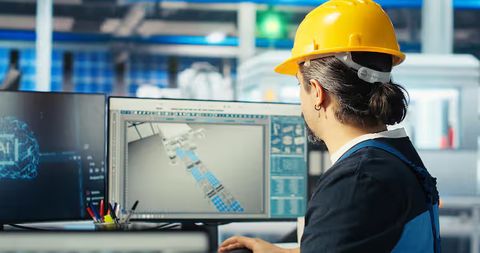
CAD Engineering Software — supports mechanical assembly visualization and fastener placement planning within engineering projects.
Torque Calculation Tools — help technicians and engineers estimate fastening force requirements and installation specifications.
Material Property Databases — assist with comparing metal strength, corrosion resistance, and industrial material compatibility.
Industrial Quality Management Platforms — support supplier audits, inspection tracking, and manufacturing compliance monitoring.
Workplace Safety Training Resources — provide educational guidance related to fastening systems, industrial assembly procedures, and equipment maintenance practices.
These resources support informed engineering decisions and stronger operational planning, which naturally leads into the most common questions people ask about screw and bolt suppliers and industrial fastener systems.
Frequently Asked Questions
What are industrial screws and bolts used for?
Industrial screws and bolts are used to join materials securely within construction, machinery, automotive, aerospace, electronics, and infrastructure systems. These fasteners support structural stability, equipment assembly, vibration resistance, and long-term mechanical performance across many engineering applications.
Who benefits most from industrial fastener suppliers?
Construction companies, machinery manufacturers, automotive producers, aerospace engineers, and industrial maintenance teams benefit significantly from reliable fastener suppliers. High-quality screws and bolts help improve equipment reliability, operational safety, and long-term infrastructure durability.
Are industrial fasteners regulated internationally?
In many regions globally, industrial fasteners operate under engineering quality, manufacturing safety, and structural performance standards. Manufacturers are generally expected to follow guidelines related to material testing, dimensional accuracy, load performance, and quality assurance depending on the intended application.
Are all bolts and screws interchangeable?
A common misconception is that fasteners with similar sizes can always be used interchangeably. In reality, material composition, thread design, coating type, strength rating, and environmental compatibility all significantly affect fastener performance. Selecting the correct fastener type is important for maintaining safety and long-term reliability.
When should industrial fasteners be replaced?
Fasteners may require replacement when inspections identify corrosion, thread damage, vibration loosening, structural wear, or reduced mechanical integrity. Replacement timing may also depend on environmental exposure, operational stress, and maintenance schedules within industrial systems.
Conclusion
Industrial screws and bolts remain essential to modern engineering and manufacturing because they support structural integrity, equipment reliability, and safe mechanical assembly across many industries. The most important takeaway is that different fastener systems are designed for different operational priorities, including corrosion resistance, structural strength, lightweight performance, and precision assembly. Proper fastener selection and supplier evaluation help improve safety, durability, and long-term operational performance.
For most organizations, the best approach involves evaluating environmental conditions, load requirements, material compatibility, and quality certification standards before selecting industrial fastening systems. Businesses that prioritize engineering specifications, inspection procedures, and long-term reliability generally achieve stronger operational outcomes and reduced maintenance risks.
As manufacturing technologies and industrial infrastructure continue evolving globally, future screw and bolt systems will likely become even more advanced, lightweight, corrosion-resistant, and integrated with precision engineering and automated production technologies.