Industrial Wafer Manufacturing Overview: Technologies and Industry Trends
Industrial wafer manufacturing is one of the most important processes in the global electronics industry. A wafer is a thin, circular slice of semiconductor material, primarily silicon, that serves as the foundation for integrated circuits, microprocessors, sensors, and many other electronic components. Every smartphone, computer, electric vehicle, medical device, and communication system depends on semiconductor wafers.
The industry has grown rapidly due to increasing demand for advanced electronics, artificial intelligence, cloud computing, automotive technology, industrial automation, and Internet of Things (IoT) applications. As digital transformation continues across industries, wafer manufacturing technologies continue to evolve to improve quality, efficiency, precision, and sustainability.
This article provides a clear overview of industrial wafer manufacturing, why it matters, recent developments, regulatory considerations, useful resources, and common questions for readers seeking a better understanding of this essential manufacturing process.
Understanding Industrial Wafer Manufacturing
Industrial wafer manufacturing is the process of producing highly purified semiconductor wafers that are later transformed into electronic chips through multiple fabrication stages.
The manufacturing process exists because modern electronic devices require extremely precise semiconductor materials capable of handling billions of microscopic electrical connections within a very small space.
Although silicon remains the most widely used material, manufacturers also produce wafers using compounds such as silicon carbide and gallium nitride for specialized industrial and high-performance applications.
The wafer manufacturing process generally includes:
- Purifying raw silicon materials
- Growing a single crystal ingot
- Cutting the ingot into thin wafers
- Grinding and polishing surfaces
- Cleaning and inspection
- Quality testing
- Packaging for semiconductor fabrication
Each stage requires exceptional precision because even microscopic defects can affect electronic performance.
Industrial wafer manufacturing supports numerous industries, including:
- Semiconductor manufacturing
- Consumer electronics
- Automotive electronics
- Medical technology
- Telecommunications
- Industrial automation
- Aerospace systems
- Renewable energy equipment
- Artificial intelligence hardware
- Data center infrastructure
These sectors rely on consistent wafer quality to maintain product reliability and performance.
Importance of Industrial Wafer Manufacturing
Industrial wafer manufacturing plays a central role in today's technology-driven economy. As electronic devices become more powerful while consuming less energy, manufacturers require increasingly advanced wafer production methods.
Semiconductor wafers are the starting point for processors, memory chips, sensors, and communication components used in everyday technology.
High-performance wafers help improve:
- Processing speed
- Energy efficiency
- Device reliability
- Data storage capacity
- Wireless communication
- Artificial intelligence computing
Many manufacturing industries rely on semiconductor components to automate production systems, improve efficiency, and support predictive maintenance.
Reliable wafer production helps manufacturers maintain stable supply chains for industrial equipment and electronic systems.
Advanced semiconductor technologies enable lower power consumption across multiple electronic products.
Energy-efficient chips contribute to:
- Longer battery life
- Reduced electricity consumption
- Lower heat generation
- Improved environmental performance
Industrial wafer manufacturing enables innovation across rapidly growing technologies such as:
- Artificial Intelligence
- Machine Learning
- Edge Computing
- 5G Networks
- Electric Vehicles
- Smart Manufacturing
- Robotics
- Internet of Things (IoT)
As these technologies expand, demand for high-quality semiconductor wafers continues to increase.
Recent Updates in Industrial Wafer Manufacturing
The semiconductor industry has experienced significant developments over the past year as manufacturers continue investing in advanced production capabilities.
Throughout 2025 and early 2026, many semiconductor manufacturers announced investments in new fabrication facilities to improve global production capacity and strengthen supply chain resilience.
These developments aim to reduce production bottlenecks and support increasing demand for advanced chips.
The rapid growth of artificial intelligence applications has increased demand for high-performance semiconductor wafers capable of supporting powerful processors and accelerated computing platforms.
Manufacturers continue improving wafer quality to meet these performance requirements.
Wide-bandgap semiconductor materials have received increased attention during 2025–2026 because they provide higher efficiency in electric vehicles, renewable energy systems, and industrial power electronics.
These specialized wafers continue gaining importance in modern manufacturing.
Wafer manufacturing facilities are adopting more automation technologies, including:
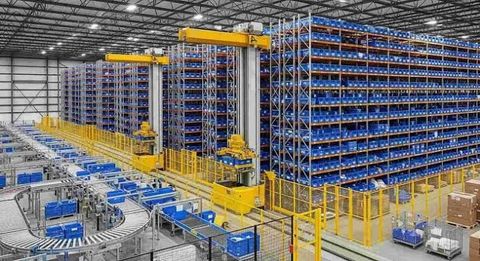
- Automated material handling
- AI-assisted inspection
- Predictive maintenance
- Digital quality monitoring
- Process optimization systems
Automation helps improve manufacturing consistency while reducing production errors.
Environmental responsibility has become an important priority across the semiconductor industry.
Manufacturers increasingly focus on:
- Water recycling
- Energy-efficient production
- Reduced chemical waste
- Lower carbon emissions
- Improved resource management
These initiatives support long-term sustainable manufacturing practices.
Laws and Policies Affecting Industrial Wafer Manufacturing
Industrial wafer manufacturing operates under numerous regulations that help maintain product quality, worker safety, environmental protection, and international trade compliance.
Although regulations differ by country, several common policy areas influence the industry.
Manufacturing facilities must comply with environmental requirements covering:
- Air emissions
- Wastewater treatment
- Hazardous chemical handling
- Waste disposal
- Resource conservation
Environmental compliance helps reduce industrial impact while supporting sustainable production.
Wafer manufacturing involves advanced equipment and specialized chemicals.
Safety regulations generally include:
- Protective equipment
- Chemical storage procedures
- Emergency response planning
- Equipment maintenance
- Employee safety training
These measures help maintain safe manufacturing environments.
Manufacturers commonly follow internationally recognized quality management systems that encourage:
- Continuous improvement
- Process documentation
- Product consistency
- Risk management
- Customer satisfaction
These frameworks improve manufacturing reliability across global supply chains.
Semiconductor manufacturing is closely connected with international trade.
Governments may establish policies involving:
- Technology exports
- Import regulations
- Supply chain security
- Strategic manufacturing investments
Such policies influence production planning and global semiconductor distribution.
Tools and Resources
Various tools and learning resources help professionals understand wafer manufacturing processes and quality improvement practices.
Common categories include:
| Tool or Resource | Purpose |
|---|---|
| Process simulation software | Models manufacturing processes before production |
| Statistical analysis tools | Monitor quality and production consistency |
| Production planning templates | Organize manufacturing workflows |
| Yield analysis calculators | Evaluate manufacturing efficiency |
| Engineering learning platforms | Improve semiconductor knowledge |
| Digital documentation systems | Maintain manufacturing records |
| Manufacturing dashboards | Track production performance |
| Industry publications | Share technology updates and market developments |
Additional educational resources often include:
- Technical textbooks
- Research journals
- Manufacturing standards
- Engineering webinars
- Academic publications
- Industrial conferences
- Semiconductor training materials
These resources help professionals remain informed about changing technologies and best practices.
Frequently Asked Questions
An industrial wafer is a thin slice of semiconductor material used as the foundation for manufacturing integrated circuits, processors, sensors, and various electronic components.
Silicon provides excellent electrical properties, is widely available, and supports highly reliable semiconductor manufacturing, making it the preferred material for most electronic devices.
Semiconductor wafers support industries such as consumer electronics, automotive manufacturing, healthcare, telecommunications, aerospace, industrial automation, renewable energy, and artificial intelligence.
Current trends include increased automation, artificial intelligence integration, advanced semiconductor materials, sustainability initiatives, improved manufacturing efficiency, and expanded fabrication capacity during 2025–2026.
Quality control helps identify microscopic defects before semiconductor fabrication begins. Consistent quality improves product reliability, manufacturing efficiency, and electronic performance across numerous applications.
Conclusion
Industrial wafer manufacturing remains one of the foundational technologies supporting the modern digital world. From smartphones and cloud computing to electric vehicles, healthcare equipment, industrial automation, and artificial intelligence, semiconductor wafers enable the electronic systems that power everyday life.