Jump to a Chapter

Injection Molding Machine Cost: Complete Pricing Breakdown, Cost Factors, and Industry Insights

Injection Molding Machine Cost: Complete Pricing Breakdown, Cost Factors, and Industry Insights

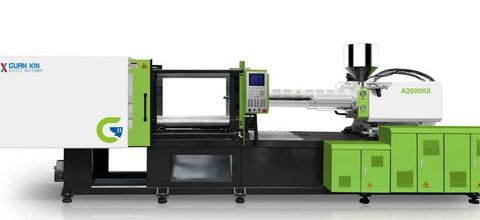
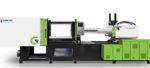
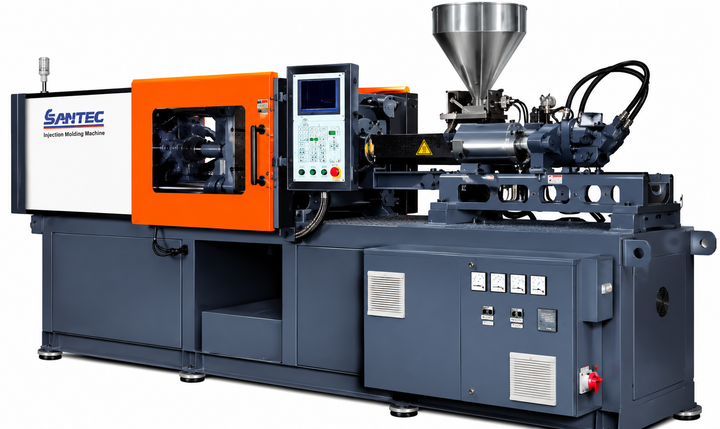
Injection molding machines are among the most widely used manufacturing systems in the plastics industry. They produce components by injecting molten material into molds, enabling high-volume production of parts used in automotive, electronics, medical devices, packaging, consumer products, and industrial equipment.

Machine pricing varies significantly depending on size, tonnage, automation level, technology, and manufacturing specifications. A small machine designed for simple production requirements may cost a fraction of a large industrial system used for automotive or infrastructure applications. Industry sources indicate that machine prices can range from several thousand dollars for small units to more than $1 million for large, highly automated production systems.

Why Machine Cost Analysis Matters

Understanding injection molding machine costs helps manufacturers evaluate:

  • Production requirements
  • Equipment capabilities
  • Automation readiness
  • Facility planning
  • Energy efficiency
  • Maintenance strategies
  • Manufacturing scalability
  • Technology adoption

Cost analysis is important because the machine itself represents only one portion of the overall manufacturing infrastructure.

General Injection Molding Machine Price Ranges

The following table provides illustrative industry pricing ranges commonly reported across the manufacturing sector.

Machine CategoryTypical Price Range (USD)
Small Machines (<100 Tons)$8,000 – $50,000
Medium Machines (100–500 Tons)$50,000 – $200,000
Large Machines (500–1000 Tons)$200,000 – $800,000
Very Large Machines (1000+ Tons)$800,000 – $1,000,000+
Refurbished Equipment$3,000 – $120,000+

Actual pricing varies based on configuration, brand, technology package, and regional market conditions.

Major Factors That Influence Machine Cost

Several variables contribute to the final equipment price.

Machine Tonnage

Clamping force, commonly measured in tons, is often the most significant pricing factor.

Higher tonnage machines generally provide:

  • Larger mold capacity
  • Greater clamping force
  • Increased production capability
  • Support for larger components

As tonnage increases, equipment size, energy requirements, and engineering complexity also increase.

Machine Type

Different drive systems affect pricing and operational characteristics.

Machine TypeGeneral Cost Position
HydraulicLower initial investment
HybridMid-range pricing
All-ElectricHigher initial investment

All-electric machines are frequently reported to cost approximately 20–40% more than comparable hydraulic systems because of advanced servo motors and precision controls.

Hydraulic vs Electric vs Hybrid Machines

Hydraulic Machines

Characteristics often include:

  • Strong clamping performance
  • Established industrial usage
  • Broad application range
  • Lower acquisition cost

Hydraulic systems remain common in high-tonnage manufacturing applications.

All-Electric Machines

Commonly associated with:

  • Precision manufacturing
  • Energy efficiency
  • Reduced mechanical noise
  • Enhanced repeatability

These systems are often used in industries requiring tight production tolerances.

Hybrid Machines

Hybrid systems combine elements of hydraulic and electric technologies.

Potential advantages include:

  • Improved efficiency
  • Balanced performance
  • Reduced energy consumption
  • Modern automation compatibility

Hybrid designs continue gaining attention across industrial manufacturing sectors.

Cost by Machine Size

Machine SizeTypical Applications
30–150 TonsElectronic parts, caps, connectors
200–500 TonsAutomotive components, storage products
600–1000 TonsLarge industrial parts
1000+ TonsInfrastructure and large molded products

Larger machines generally require more floor space, higher power capacity, and specialized installation planning.

Additional Costs Beyond the Machine

Machine acquisition is only one component of an injection molding operation.

Additional expenses may include:

  • Mold tooling
  • Installation
  • Facility preparation
  • Electrical infrastructure
  • Material handling systems
  • Chillers
  • Dryers
  • Automation equipment
  • Quality control systems
  • Maintenance programs

Industry discussions frequently note that tooling and supporting equipment can represent a significant portion of overall project expenses.

Automation and Smart Manufacturing Features

Modern machines increasingly include advanced technologies.

Common features include:

  • Industrial IoT connectivity
  • Predictive maintenance software
  • Robotic integration
  • Digital production monitoring
  • Machine vision systems
  • Remote diagnostics
  • Cloud-based analytics

These technologies may increase equipment pricing but improve operational visibility and manufacturing efficiency.

Examples of Injection Molding Machine Manufacturers

The global injection molding industry includes numerous manufacturers and automation companies.

Examples frequently referenced in manufacturing discussions include:

  • Haitian International
  • ENGEL
  • ARBURG
  • Sumitomo Heavy Industries
  • FANUC
  • KraussMaffei

These companies are mentioned solely as examples of industry participants and not as recommendations, rankings, endorsements, or purchasing guidance.

Recent Industry Trends (2025–2026)

The injection molding industry continues evolving through digital transformation and automation.

Key trends include:

  • Increased AI-assisted manufacturing
  • Expansion of predictive maintenance systems
  • Growth of smart factory integration
  • Improved energy-efficient machine designs
  • Enhanced robotics adoption
  • Greater machine connectivity
  • Advanced process monitoring
  • Sustainability-focused manufacturing initiatives

These developments reflect broader Industry 4.0 adoption across global manufacturing sectors.

Regulatory and Compliance Considerations

Industrial machinery is commonly subject to:

  • Workplace safety regulations
  • Electrical safety standards
  • Machinery directives
  • Environmental compliance requirements
  • Industrial cybersecurity frameworks
  • Quality management standards

Compliance requirements vary according to country, industry, and operational environment.

Tools and Resources

Professionals evaluating injection molding equipment often use:

  • ROI analysis calculators
  • Production planning software
  • Manufacturing execution systems (MES)
  • Predictive maintenance platforms
  • Energy monitoring systems
  • Digital twin technologies
  • Asset management software
  • Industrial analytics dashboards

These tools support informed equipment assessment and operational planning.

Cost Drivers Overview

Cost FactorImpact on Pricing
Machine TonnageVery High
Drive SystemHigh
Automation LevelHigh
Brand PositioningModerate to High
Specialized FeaturesHigh
Installation RequirementsModerate
Facility UpgradesModerate to High

Understanding these variables helps explain why pricing varies significantly across machine categories.

Frequently Asked Questions

How much does an injection molding machine typically cost?

Industry pricing commonly ranges from under $10,000 for small units to more than $1 million for large, highly automated industrial systems.

What factor has the greatest impact on machine price?

Clamping force (tonnage) is generally considered one of the most significant pricing factors.

Are electric machines more expensive than hydraulic machines?

Yes. Industry sources commonly report all-electric systems costing approximately 20–40% more than comparable hydraulic machines.

Do machine costs include molds?

Typically, molds, installation, facility preparation, and auxiliary equipment are evaluated separately.

Why are smart manufacturing features becoming important?

Digital monitoring, predictive maintenance, and automation technologies help improve operational visibility and manufacturing efficiency.

Conclusion

Injection molding machine pricing depends on numerous factors including tonnage, machine type, automation capabilities, energy efficiency, and production requirements. While smaller systems may support specialized or limited-volume manufacturing, large industrial machines are designed for demanding production environments and often incorporate advanced automation technologies.

As manufacturing continues adopting Industry 4.0 principles, investments in artificial intelligence, robotics, predictive maintenance, and smart factory technologies are reshaping how injection molding equipment is evaluated and utilized. Understanding these cost factors and technology trends provides valuable insight into one of the most important machine categories in modern manufacturing.

Disclaimer

This article is provided solely for informational and educational purposes. Pricing ranges are illustrative industry estimates and may vary by region, manufacturer, machine configuration, technology package, regulatory requirements, market conditions, and operational needs. References to companies and manufacturers are included only as examples of industry participants and do not constitute endorsements, recommendations, rankings, comparisons, or procurement advice. Readers should consult qualified engineering, manufacturing, financial, regulatory, and technical professionals before making equipment-related decisions.


author-image

Ravi Shankar Maurya

We create purposeful content that speaks, resonates, and drives action.

June 05, 2026 . 8 min read