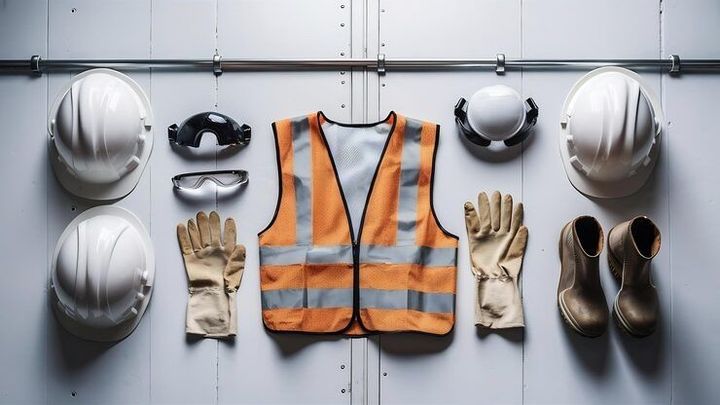
Industrial Safety Equipment: A Guide to Workplace Protection
Every workplace has different safety requirements, and using the right industrial safety equipment helps reduce everyday risks.
From factories and warehouses to construction sites, protective equipment supports a safer working environment and encourages safe work practices.
This article provides general information about industrial safety equipment, its common types, and why it is important in many industries.
What Is Industrial Safety Equipment?
Industrial safety equipment includes protective tools and devices designed to help reduce workplace hazards. These products support employee safety by protecting against risks such as falling objects, loud noise, dust, chemicals, heat, and electrical hazards.
The type of equipment needed depends on the work environment, job tasks, and applicable safety standards.
Common Types of Industrial Safety Equipment
Personal Protective Equipment (PPE)
Personal protective equipment is worn by workers to reduce exposure to workplace hazards. Common examples include:
- Safety helmets
- Safety goggles
- Protective gloves
- High-visibility clothing
- Safety footwear
- Hearing protection
- Respiratory protection
Employers typically select PPE based on workplace risk assessments.
Fall Protection Equipment
Workers performing tasks at elevated locations may use fall protection equipment such as:
- Safety harnesses
- Lanyards
- Anchor points
- Lifelines
These systems help reduce the risk of falls when used correctly and according to safety guidelines.
Fire Safety Equipment
Fire protection equipment supports emergency preparedness in industrial facilities. Common examples include:
- Fire extinguishers
- Fire blankets
- Smoke detectors
- Emergency alarm systems
Regular inspection and maintenance help keep this equipment ready for use.
Why Industrial Safety Equipment Matters
Using appropriate safety equipment offers several practical benefits:
- Supports workplace safety programs
- Helps reduce exposure to common hazards
- Encourages safe working habits
- Improves worker confidence
- Assists organizations in following workplace safety requirements
Safety equipment is most effective when combined with proper training, regular inspections, and clear safety procedures.
Choosing the Right Safety Equipment
Selecting industrial safety equipment depends on several factors:
- Type of workplace hazards
- Nature of the job
- Environmental conditions
- Equipment compatibility
- Applicable industry regulations
Organizations often perform risk assessments before selecting protective equipment for specific tasks.
Maintenance and Inspection
Safety equipment should be inspected regularly for signs of wear or damage. Damaged equipment may not provide the intended level of protection.
Good maintenance practices include:
- Cleaning equipment after use
- Storing items correctly
- Replacing damaged components
- Following manufacturer maintenance recommendations
- Keeping inspection records when required
Conclusion
Industrial safety equipment plays an important role in creating safer workplaces across many industries. Helmets, gloves, eye protection, fall protection systems, and fire safety equipment each help address different workplace hazards. Selecting suitable equipment, providing employee training, and performing regular inspections all contribute to a stronger workplace safety program. This article provides general information, and organizations should consult applicable safety regulations or qualified safety professionals when developing workplace safety procedures.