Industrial Machine Tools Guide for Modern Manufacturing
Modern manufacturing depends on precision, speed, and automation. As industries continue to evolve, industrial machine tools play a major role in improving production quality and operational efficiency. From automotive assembly to aerospace engineering, manufacturers rely on advanced machining systems to meet growing market demands.
The rise of digital technologies has transformed traditional factory operations into highly connected environments. Today, robotic machining systems, CNC milling machines, and industrial automation machinery are helping businesses improve accuracy while reducing manual intervention. This shift is also driving the adoption of smart manufacturing equipment across global industries.
Understanding Industrial Machine Tools
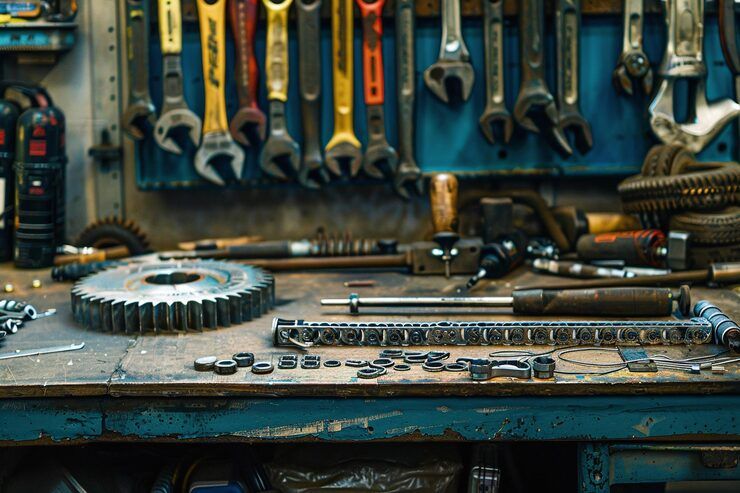
Industrial machine tools are mechanical or computerized systems designed to shape, cut, drill, grind, or form materials such as metal, plastic, and composites. These machines support high-precision manufacturing processes that are difficult to achieve manually.
Traditional machine tools included manual lathes and drilling machines. Modern systems now combine software, sensors, and automation technologies to increase productivity and consistency. Industries use these tools to manufacture engine components, electronics, medical devices, industrial equipment, and construction materials.
The development of advanced machining tools has significantly improved production capabilities. Manufacturers can now perform complex operations with greater speed and minimal material waste.
Common Types of Industrial Machine Tools
Several types of industrial machine tools are widely used in manufacturing environments:
| Machine Tool Type | Primary Function | Common Industry Applications |
|---|---|---|
| CNC Milling Machines | Precision cutting and shaping | Automotive, aerospace |
| Industrial Laser Cutting Machines | High-speed material cutting | Metal fabrication |
| Grinding Machines | Surface finishing | Tool manufacturing |
| Drilling Machines | Hole creation and boring | Construction equipment |
| Robotic Machining Systems | Automated production tasks | Smart factories |
| Turning Machines | Rotational shaping | Mechanical components |
Each type serves a unique purpose depending on production requirements and material specifications.
The Role of CNC Milling Machines
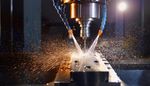
CNC milling machines are among the most important technologies in modern manufacturing. CNC stands for Computer Numerical Control, meaning the machine follows programmed instructions for precise machining operations.
These systems can perform multiple tasks, including cutting, drilling, contouring, and shaping. Manufacturers value CNC technology because it improves consistency and reduces production errors.
Modern CNC milling machines are capable of handling highly detailed designs that require exact dimensions. Industries such as aerospace and medical manufacturing depend heavily on these systems because even minor inaccuracies can affect product performance.
Some major advantages include:
- Improved production accuracy
- Faster manufacturing cycles
- Reduced material waste
- Better repeatability
- Enhanced production scalability
As software integration continues to improve, CNC systems are becoming more adaptable to complex manufacturing environments.
Integration with Smart Manufacturing Equipment
The growth of smart manufacturing equipment has changed how machine tools operate within factories. Smart systems use data analytics, sensors, and connected networks to monitor machine performance in real time.
Manufacturers can now track production efficiency, machine temperature, energy consumption, and maintenance schedules through centralized systems. This connectivity helps reduce downtime and improves overall operational planning.
Smart manufacturing environments often combine:
- CNC machining systems
- Robotic automation
- Sensor-based monitoring
- Predictive maintenance software
- Industrial Internet of Things (IIoT) technology
These technologies create more responsive and efficient production facilities.
Robotic Machining Systems in Modern Factories
Robotic machining systems are becoming increasingly common in industrial environments. These systems use automated robotic arms and programmable machines to handle repetitive or complex manufacturing tasks.
Automation helps improve consistency while reducing the need for continuous manual operation. Robotic systems are especially useful in industries where precision and speed are essential.
Manufacturers use robotic machining systems for:
- Welding operations
- Material handling
- Assembly processes
- Precision cutting
- Surface finishing
One major benefit is the ability to operate continuously with minimal interruption. This supports higher production volumes and improved workflow efficiency.
Another important advantage is workplace safety. Automated systems can handle dangerous or high-temperature tasks that may pose risks to human operators.
Advanced Machining Tools and Precision Engineering
Advanced machining tools are designed to support highly detailed manufacturing applications. These tools often include intelligent software, precision controls, and high-speed cutting capabilities.
Industries that require extremely tight tolerances rely on advanced systems to maintain quality standards. Semiconductor manufacturing, aerospace engineering, and medical device production are examples where precision is critical.
Some features commonly found in advanced machining tools include:
- Multi-axis machining capabilities
- Automated calibration systems
- Digital measurement integration
- High-speed spindle technology
- Adaptive machining software
These innovations allow manufacturers to produce complex components more efficiently than traditional methods.
Precision engineering has become more important as industries demand smaller, lighter, and more durable products. Advanced machining technologies support this trend by enabling detailed manufacturing with minimal variation.
Industrial Laser Cutting Machines and Material Processing
Industrial laser cutting machines have transformed modern material processing. These systems use concentrated laser beams to cut through metal, plastic, wood, and composite materials with exceptional accuracy.
Compared to traditional cutting methods, laser technology offers cleaner edges and faster processing speeds. This makes it highly suitable for industries that require intricate designs and precision fabrication.
Common applications include:
- Automotive panel cutting
- Sheet metal fabrication
- Electronics manufacturing
- Architectural metalwork
- Industrial component production
Industrial laser cutting machines are also valued for their flexibility. Operators can quickly switch between different materials and cutting patterns using digital programming systems.
Another advantage is reduced material waste. Laser systems optimize cutting paths, helping manufacturers improve resource efficiency while maintaining product quality.
Industrial Automation Machinery and Production Efficiency
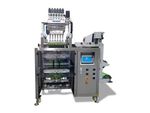
Industrial automation machinery has become a core element of modern manufacturing strategies. Automation technologies help streamline operations while improving production reliability.
Factories use automation systems to coordinate machinery, monitor workflows, and reduce manual handling requirements. This creates more consistent production outcomes and supports higher manufacturing capacity.
Key benefits of industrial automation machinery include:
- Faster production cycles
- Reduced operational errors
- Improved product consistency
- Enhanced equipment monitoring
- Better resource management
Automation also supports predictive maintenance strategies. Sensors and monitoring systems can detect performance issues before major equipment failures occur. This helps reduce unexpected downtime and maintenance disruptions.
As global manufacturing competition increases, automation technologies continue to play a major role in improving operational efficiency.
Challenges Facing Modern Manufacturing Systems
Although industrial machine tools provide many advantages, manufacturers still face several challenges during implementation and operation.
One major challenge is technology integration. Advanced manufacturing systems often require compatibility between software platforms, sensors, robotics, and production equipment.
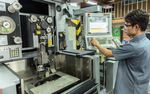
Training is another important factor. Employees must understand how to operate and maintain modern machining technologies effectively.
Additional challenges include:
- High system complexity
- Cybersecurity concerns
- Equipment maintenance requirements
- Rapid technological changes
- Energy management considerations
Despite these challenges, manufacturers continue investing in advanced systems because of the long-term efficiency and productivity benefits.
Sustainability and Energy Efficiency in Manufacturing
Sustainability has become an important focus in industrial manufacturing. Modern machine tools are increasingly designed to reduce energy consumption and minimize environmental impact.
Manufacturers are adopting energy-efficient motors, automated shutdown systems, and optimized cutting technologies to improve sustainability goals.
Smart manufacturing equipment also helps organizations monitor energy usage more accurately. Real-time analytics allow factories to identify inefficiencies and improve resource management strategies.
Some sustainability improvements include:
- Reduced material waste
- Lower energy consumption
- Efficient cooling systems
- Improved recycling processes
- Optimized production scheduling
As environmental regulations continue evolving, sustainable manufacturing practices are expected to become even more important across industrial sectors.
Future Trends in Industrial Machine Tools
The future of industrial machine tools will likely focus on greater automation, artificial intelligence, and digital integration. Emerging technologies are expected to improve manufacturing flexibility and production intelligence.
Artificial intelligence is already being used to optimize machining parameters and improve predictive maintenance systems. Machine learning algorithms can analyze production data to identify efficiency improvements.
Other developing trends include:
- Digital twin technology
- Cloud-connected manufacturing systems
- Autonomous robotic production
- Real-time quality monitoring
- Hybrid manufacturing techniques
The combination of robotics, AI, and smart manufacturing equipment is expected to reshape factory operations over the coming years.
Manufacturers that adapt to these technological advancements may achieve greater efficiency, improved product quality, and stronger production scalability.
Conclusion
Industrial machine tools remain essential to modern manufacturing operations. Technologies such as CNC milling machines, robotic machining systems, advanced machining tools, industrial laser cutting machines, and industrial automation machinery continue to improve production capabilities across industries.
The transition toward smart manufacturing equipment is creating more connected, efficient, and data-driven production environments. As automation and digital technologies continue advancing, manufacturers are gaining new opportunities to improve precision, productivity, and sustainability.
Modern manufacturing depends on continuous innovation, and industrial machine tools will continue playing a central role in shaping the future of industrial production.