Industrial Edge AI Gateways: Smart Manufacturing Insights
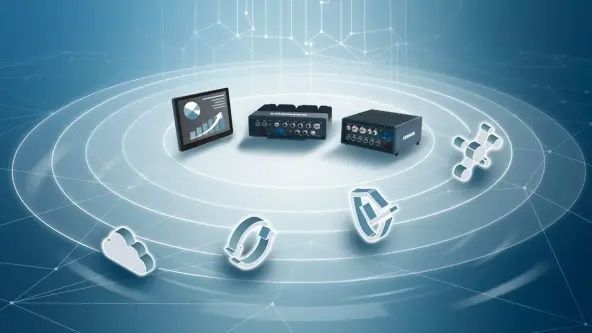
Industrial Edge AI gateways are becoming an important component of modern industrial automation, smart manufacturing, and Industrial Internet of Things (IIoT) environments.
These intelligent devices process data closer to industrial equipment, reducing latency and enabling faster operational decisions.
By combining edge computing, artificial intelligence, machine learning, industrial networking, and real-time analytics, Industrial Edge AI gateways help organizations monitor equipment, analyze operational data, improve process visibility, and support predictive maintenance initiatives.
As factories continue adopting digital transformation technologies, Edge AI gateways are increasingly used to bridge operational technology (OT) and information technology (IT) systems.
Industrial Edge AI Gateways at a Glance
An Industrial Edge AI gateway is a rugged computing device designed to collect, process, analyze, and transmit data from industrial equipment and sensors. Unlike traditional cloud-only systems, edge gateways perform data processing locally, enabling faster insights, reduced network dependency, and improved operational responsiveness. These systems commonly support machine learning models, industrial protocols, sensor integration, and real-time analytics.
Key Industry Facts
- Edge AI combines artificial intelligence with local computing resources.
- Industrial gateways often support multiple industrial communication protocols.
- Real-time analytics can reduce response times compared to cloud-only processing.
- Edge computing supports predictive maintenance applications.
- Industrial AI systems help process large volumes of sensor data.
- Smart factories increasingly utilize edge intelligence for operational monitoring.
- Modern gateways often support cybersecurity and secure device management features.
How Industrial Edge AI Gateways Work
Industrial Edge AI gateways collect data from machines, sensors, controllers, and industrial devices before processing the information locally.
Typical Workflow
- Sensors collect operational data.
- The gateway receives data from industrial equipment.
- Edge AI algorithms analyze information locally.
- Real-time insights are generated.
- Alerts or actions may be triggered.
- Relevant data is transmitted to cloud platforms when needed.
- Operators access dashboards and analytics tools.
This approach reduces unnecessary data transmission while enabling faster decision-making.
Main Types of Industrial Edge AI Gateways
AI-Enabled IoT Gateways
These gateways combine industrial connectivity with embedded artificial intelligence capabilities.
Common applications include:
- Equipment monitoring
- Process optimization
- Smart manufacturing
- Industrial automation
Edge Computing Gateways
Edge computing gateways focus on local processing and analytics without relying entirely on cloud infrastructure.
Machine Vision AI Gateways
These specialized systems support image processing and computer vision applications.
Typical uses include:
- Quality inspection
- Defect detection
- Object recognition
- Production monitoring
Rugged Industrial AI Gateways
Designed for demanding industrial environments, these devices support operation in challenging temperature, vibration, and environmental conditions.
Comparison of Edge Gateway Technologies
| Gateway Type | Primary Function | Typical Application |
|---|---|---|
| AI IoT Gateway | Intelligent Data Processing | Smart Manufacturing |
| Edge Computing Gateway | Local Analytics | Industrial Monitoring |
| Vision AI Gateway | Image Analysis | Quality Inspection |
| Rugged AI Gateway | Harsh Environment Operations | Industrial Facilities |
Core Components of Industrial Edge AI Gateways
Industrial Processor
The processor executes AI models, analytics functions, and communication tasks.
AI Acceleration Hardware
Many modern gateways include dedicated AI acceleration components for machine learning workloads.
Industrial Communication Interfaces
Common connectivity options include:
- Ethernet
- Serial communication
- CAN Bus
- Modbus
- OPC UA
- MQTT
- Industrial fieldbus networks
Data Storage
Local storage supports temporary data retention, event logging, and model deployment.
Security Module
Security functions help protect devices, communications, and operational data.
Industry Applications
Smart Manufacturing
Industrial Edge AI gateways support production monitoring, operational analytics, and manufacturing intelligence.
Predictive Maintenance
Machine learning models analyze equipment conditions to identify unusual operating patterns.
Industrial Automation
Gateways provide intelligent decision-making capabilities within automated production environments.
Energy Management
Industrial facilities use Edge AI systems to monitor energy consumption and optimize resource utilization.
Quality Inspection
Machine vision gateways support automated inspection and defect detection processes.
Remote Asset Monitoring
Distributed equipment can be monitored from centralized management platforms.
Selection Factors
AI Processing Capability
Evaluate the gateway's ability to support machine learning workloads and analytics requirements.
Connectivity Options
Industrial environments often require compatibility with multiple communication standards.
Environmental Durability
Industrial hardware should match operating conditions.
Security Features
Secure communication, authentication, and device management capabilities are important considerations.
Scalability
The gateway should support future expansion and additional connected devices.
Integration Compatibility
Compatibility with existing industrial automation infrastructure is essential.
Benefits of Industrial Edge AI Gateways
- Enables real-time data processing
- Reduces network latency
- Supports predictive maintenance initiatives
- Improves operational visibility
- Enhances industrial automation capabilities
- Reduces cloud bandwidth requirements
- Supports machine learning deployment
- Improves response times for critical events
- Enables local decision-making
- Supports smart factory initiatives
- Facilitates Industrial IoT integration
Challenges and Limitations
Initial Integration Complexity
Industrial environments may require careful planning for deployment and integration.
AI Model Management
Machine learning models require monitoring, updates, and performance validation.
Cybersecurity Requirements
Connected industrial systems must maintain strong security practices.
Data Quality Considerations
The effectiveness of AI analytics depends on accurate and reliable data.
Infrastructure Compatibility
Legacy equipment may require additional integration solutions.
Industry Standards and Compliance
Industrial Edge AI deployments often align with established industrial communication and cybersecurity frameworks.
Common technologies include:
- OPC UA
- MQTT
- IEC standards
- Industrial Ethernet
- ISA industrial automation practices
- Secure industrial communication protocols
Organizations should evaluate applicable standards based on their industry and operational requirements.
Safety Considerations
Important considerations include:
- Secure device deployment
- Controlled network access
- Regular firmware updates
- Equipment monitoring
- Operational risk assessments
- Backup and recovery procedures
- Industrial cybersecurity practices
- Access control management
Latest Technology Trends
Generative AI at the Edge
Advanced AI models are increasingly being deployed closer to industrial operations.
Digital Twin Integration
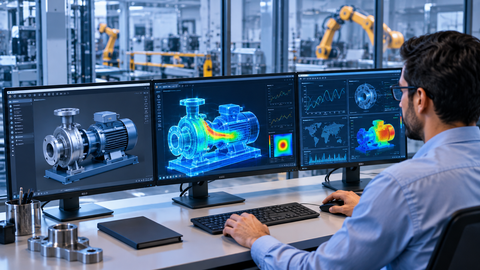
Edge gateways are supporting digital twin environments through real-time operational data.
AI-Powered Predictive Analytics
Modern systems provide increasingly sophisticated predictive maintenance capabilities.
Industrial 5G Connectivity
5G networks are improving communication speeds for connected industrial environments.
Autonomous Operations
AI-enabled gateways are supporting more intelligent automation workflows.
Expert Insights
Industrial Edge AI gateways are becoming central to smart manufacturing strategies because they combine local computing, artificial intelligence, industrial connectivity, and real-time analytics. By processing information closer to equipment, organizations can improve responsiveness, reduce communication delays, and gain actionable operational insights without depending entirely on centralized cloud systems.
Key Takeaways
- Industrial Edge AI gateways process data near industrial equipment.
- Edge computing reduces latency and improves response times.
- AI models support predictive maintenance and operational analytics.
- Industrial communication protocols enable equipment connectivity.
- Smart manufacturing increasingly relies on edge intelligence.
- Machine vision and quality inspection are common applications.
- Cybersecurity remains an important deployment consideration.
- Industrial 5G and digital twins are shaping future developments.
Frequently Asked Questions
What is an Industrial Edge AI gateway?
An Industrial Edge AI gateway is a computing device that processes industrial data locally while supporting artificial intelligence, analytics, and industrial connectivity.
How does edge computing differ from cloud computing?
Edge computing processes data near the source, while cloud computing typically processes information in centralized data centers.
What industries use Industrial Edge AI gateways?
Manufacturing, energy, logistics, utilities, transportation, and industrial automation sectors commonly use these systems.
What is predictive maintenance?
Predictive maintenance uses data analysis and machine learning to identify potential equipment issues before failures occur.
Why are Industrial AI gateways important?
They enable real-time analytics, local decision-making, and improved operational visibility.
What communication protocols do Industrial Edge gateways support?
Many gateways support OPC UA, MQTT, Modbus, Ethernet, CAN Bus, and other industrial communication standards.
Can Edge AI gateways support machine vision?
Yes. Many industrial gateways support computer vision applications such as quality inspection and defect detection.
What cybersecurity measures are important?
Secure authentication, encrypted communication, firmware updates, access controls, and network segmentation are commonly used security practices.
How do Edge AI gateways support smart manufacturing?
They provide local analytics, equipment monitoring, predictive maintenance, and intelligent automation capabilities.
What future trends are influencing Industrial Edge AI?
Industrial 5G, digital twins, AI-powered analytics, autonomous operations, and advanced edge computing technologies are shaping future developments.
Conclusion
Industrial Edge AI gateways are transforming modern industrial operations by combining edge computing, artificial intelligence, machine learning, and industrial connectivity within a single platform. These systems enable real-time analytics, predictive maintenance, smart manufacturing, and intelligent automation while reducing dependence on centralized processing.
As industrial digital transformation continues to evolve, Edge AI gateways are expected to play an increasingly important role in connecting equipment, analyzing operational data, and supporting faster, data-driven decision-making across manufacturing and industrial environments.