Industrial Automation: Understanding Modern Manufacturing Systems
Industrial automation has become an important part of modern manufacturing and industrial operations.
It involves using machines, control systems, sensors, and digital technologies to perform tasks with limited human intervention. Many industries use automation to improve production consistency, monitor equipment, and support efficient workflows.
This guide explains what industrial automation is, how it works, its key components, common types, and where it is used across different industries.
What Is Industrial Automation?
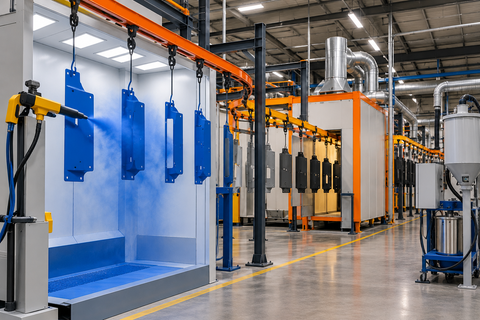
Industrial automation is the use of automated control systems and equipment to operate manufacturing processes and industrial machinery. These systems help perform repetitive tasks, collect production data, monitor equipment performance, and improve process control.
Automation can range from simple machine controls to advanced production lines connected through industrial networks.
How Industrial Automation Works
Industrial automation combines hardware and software to manage industrial operations. Various devices communicate with one another to monitor conditions, process information, and control equipment in real time.
A typical automation system includes:
- Sensors for collecting operational data
- Controllers that process information
- Human-machine interfaces (HMIs) for monitoring
- Actuators that perform mechanical actions
- Communication networks connecting equipment
- Industrial software for supervision and analysis
Together, these components help industrial facilities maintain stable and organized production processes.
Key Components of Industrial Automation
Programmable Logic Controllers (PLCs)
PLCs are industrial computers designed to control machines and production equipment. They receive signals from sensors and execute programmed instructions to manage operations.
Industrial Sensors
Sensors detect variables such as temperature, pressure, speed, position, and proximity. They provide continuous feedback that allows automation systems to respond to changing conditions.
Human-Machine Interface (HMI)
An HMI allows operators to monitor equipment, view production information, and interact with automation systems through graphical displays.
Supervisory Control and Data Acquisition (SCADA)
SCADA systems collect operational data from multiple machines and provide centralized monitoring for industrial facilities.
Industrial Robots
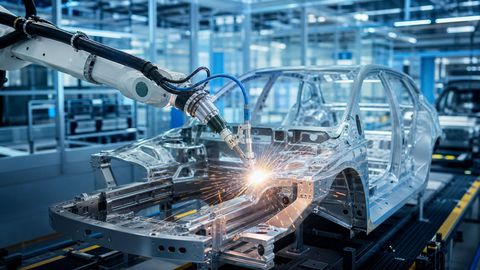
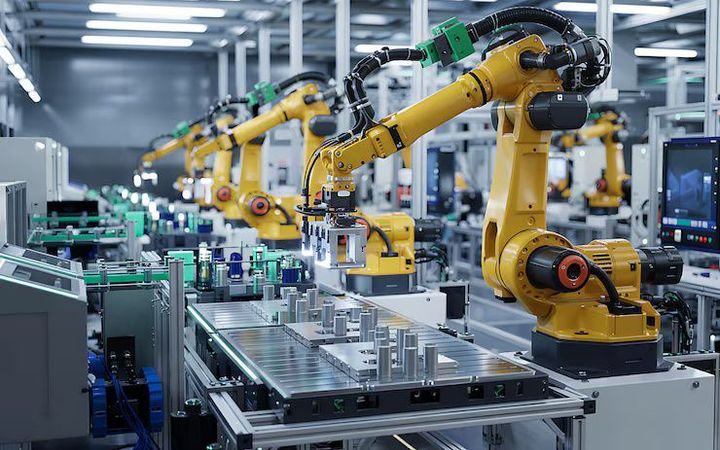
Industrial robots perform repetitive manufacturing tasks such as assembly, welding, packaging, material handling, and inspection with consistent accuracy.
Types of Industrial Automation
Fixed Automation
Fixed automation is designed for high-volume production where equipment repeatedly performs the same operation. It is commonly used in large manufacturing facilities.
Programmable Automation
Programmable automation allows production equipment to be reconfigured for different manufacturing batches, making it suitable for changing product requirements.
Flexible Automation
Flexible automation supports multiple product variations with minimal production downtime. Manufacturers often use this approach when product customization is required.
Integrated Automation
Integrated automation connects machines, controllers, software, and communication systems into a unified production environment for coordinated operation.
Applications Across Industries
Industrial automation supports many sectors, including:
- Automotive manufacturing
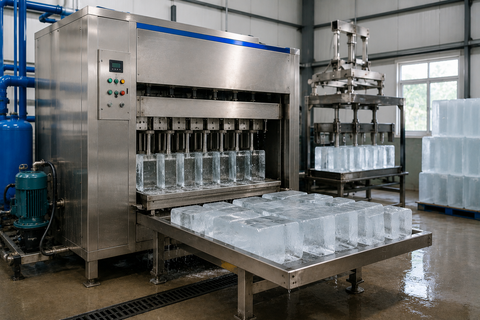
- Food and beverage processing
- Pharmaceutical production
- Electronics manufacturing
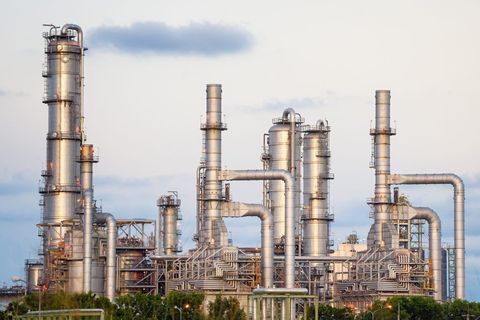
- Chemical processing
- Packaging operations
- Textile manufacturing
- Metal fabrication
- Energy and utilities
- Warehousing and logistics
Each industry applies automation differently depending on production requirements and operational goals.
Benefits of Industrial Automation
Automation provides several operational advantages for industrial facilities.
Improved Production Consistency
Automated systems perform repetitive tasks using programmed instructions, helping maintain consistent production quality.
Better Process Monitoring
Real-time monitoring enables operators to observe equipment performance and production conditions more effectively.
Increased Operational Efficiency
Automation helps coordinate machinery, reduce manual intervention for repetitive tasks, and streamline production workflows.
Enhanced Data Collection
Modern automation systems continuously gather operational data that supports maintenance planning, production analysis, and performance evaluation.
Improved Workplace Support
Many automated systems assist workers by handling repetitive or physically demanding tasks, allowing personnel to focus on supervision, maintenance, and quality management.
Future Trends in Industrial Automation
Industrial automation continues to evolve with new technologies, including:
- Artificial intelligence integration
- Industrial Internet of Things (IIoT)
- Predictive maintenance systems
- Cloud-based manufacturing platforms
- Digital twins
- Machine vision systems
- Collaborative robots
- Advanced industrial analytics
These technologies continue to expand the capabilities of modern manufacturing environments while improving operational visibility and decision-making.
Conclusion
Industrial automation plays an important role in modern manufacturing by combining control systems, sensors, robotics, and digital technologies to manage industrial processes. Understanding automation components, system types, and practical applications helps businesses and industry professionals better understand how modern production environments operate. As technology continues to advance, industrial automation is expected to remain an important part of manufacturing and industrial development.