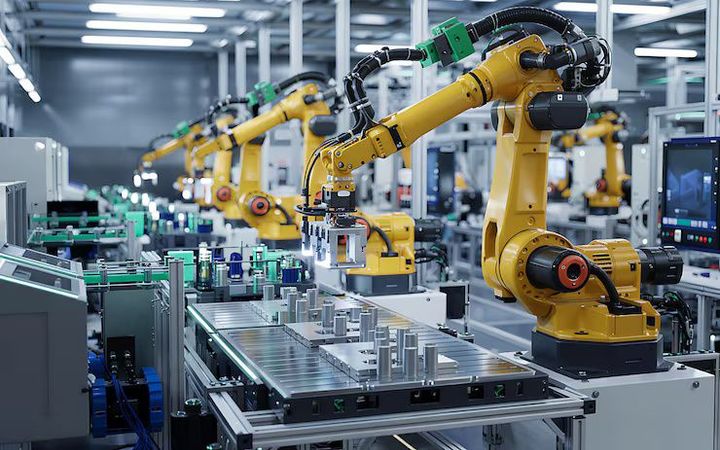
Industrial Automation Guide for Modern Industries
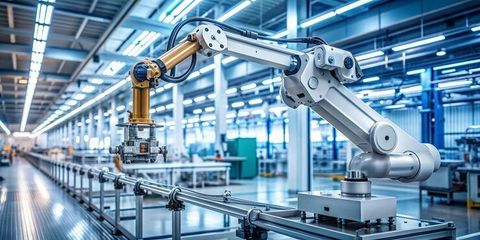
Industrial automation is changing how factories and production facilities operate across the world. Modern systems now use software, sensors, and connected machines to improve production quality and reduce manual work. Technologies such as PLC Programming, SCADA System platforms, and Robotics Automation are becoming common in industries like automotive, food processing, electronics, and energy.
Factory Automation supports continuous production and better monitoring of industrial operations. Many organizations also use HMI Software and DCS System platforms to simplify machine control and improve communication between operators and equipment. This guide explains the basics, importance, recent developments, policies, and useful resources related to industrial automation.
Context
Industrial automation refers to the use of computer systems, machines, and control technologies to operate industrial processes with minimal human involvement. It combines hardware and software to improve efficiency, accuracy, and operational consistency.
Early automation relied mainly on mechanical systems. Over time, digital technologies such as PLC Programming and SCADA System platforms became essential for controlling manufacturing equipment. Today, smart sensors, cloud platforms, and industrial networks support advanced Factory Automation systems.
Common Components of Industrial Automation
- PLC controllers for machine control
- HMI Software for operator interaction
- SCADA System platforms for monitoring
- DCS System solutions for process industries
- Robotics Automation for repetitive tasks
- Sensors and actuators for data collection
Main Purposes of Automation
- Improve production accuracy
- Reduce operational downtime
- Increase workplace safety
- Support data-based decision making
- Maintain production consistency
Industrial sectors such as pharmaceuticals, packaging, chemicals, and electronics widely depend on automation technologies for stable operations.
Importance
Industrial automation plays an important role in modern manufacturing and infrastructure development. It allows industries to manage large-scale production with better precision and reduced process variation.
Factory Automation also helps companies monitor equipment performance in real time. This improves maintenance planning and lowers the chances of unexpected machine failures.
Industries Affected by Automation
| Industry | Automation Usage |
|---|---|
| Automotive | Robotic assembly and welding |
| Food Processing | Packaging and quality inspection |
| Oil and Gas | Process monitoring through DCS System |
| Electronics | Precision component manufacturing |
| Energy | SCADA System for remote monitoring |
Automation affects workers, engineers, production managers, and supply chain operations. Employees now require technical knowledge related to PLC Programming, HMI Software, and industrial communication systems.
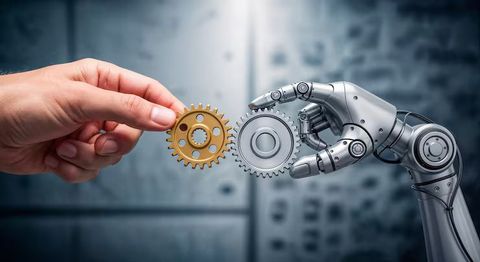
Robotics Automation also supports safer workplaces by reducing human exposure to dangerous environments such as high-temperature production zones and chemical facilities.
Recent Updates
Industrial automation technologies have developed rapidly between 2024 and 2026. Many industries are integrating artificial intelligence, industrial internet systems, and predictive analytics into automation platforms.
One major trend is the combination of Robotics Automation with machine learning tools. Smart robots can now adjust movements based on sensor feedback and production data.
Another important development is cloud-connected SCADA System technology. Remote monitoring has become more common because industries need real-time access to production information from different locations.
Trends from 2024–2026
- AI-supported Factory Automation systems
- Increased use of digital twins
- Wireless industrial communication networks
- Energy-efficient automation equipment
- Cybersecurity improvements for industrial systems
- Expansion of collaborative robotics
Modern HMI Software platforms now include touch-screen dashboards, remote access functions, and advanced visualization tools. These updates help operators understand machine performance more clearly.
DCS System technology is also evolving in large process industries. New systems support better integration between production lines, sensors, and industrial databases.
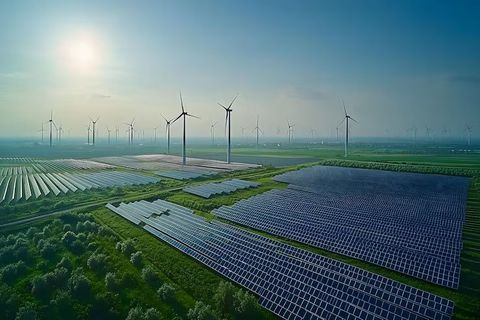
Industrial companies are increasingly focusing on sustainability goals. Automation systems now help reduce energy waste, optimize production schedules, and improve resource management.
Laws or Policies
Industrial automation systems must follow technical standards and safety regulations. Different countries use different frameworks, but many global industries rely on international automation standards.
Safety regulations help reduce risks related to machine operation, electrical systems, and robotics. Industries also follow cybersecurity guidelines because connected systems can become targets for digital threats.
Common Standards and Policies
| Standard or Policy | Purpose |
| IEC 61131 | Standards for PLC Programming |
| ISO 10218 | Safety rules for industrial robots |
| IEC 62443 | Industrial cybersecurity guidelines |
| OSHA Regulations | Workplace safety requirements |
| Functional Safety Standards | Risk reduction in control systems |
Many governments also encourage smart manufacturing initiatives. These programs support digital transformation and advanced Factory Automation projects in industrial sectors.
Environmental regulations affect automation systems as well. Industries must monitor emissions, waste management, and energy usage through automated reporting systems.
Companies using SCADA System and DCS System technologies often maintain audit records for compliance and operational monitoring.
Tools and Resources
Industries use different tools and platforms to design, monitor, and maintain automation systems. These resources help engineers manage production processes and industrial communication networks.
Useful Automation Tools
- PLC simulation software
- SCADA System development platforms
- Industrial network analyzers
- Robotics Automation simulators
- HMI Software design applications
- Predictive maintenance dashboards
Educational and Technical Resources
- Industrial automation training manuals
- Technical documentation libraries
- Safety compliance checklists
- Sensor configuration templates
- Industrial communication protocol guides
Many engineering institutions and technical organizations publish educational materials related to PLC Programming and Factory Automation. These resources help students and professionals understand industrial systems more effectively.
Automation calculators are also used for load estimation, motor sizing, and production efficiency analysis. Such tools support planning and system optimization in manufacturing facilities.
FAQs
What is the difference between PLC Programming and DCS System technology?
PLC Programming is commonly used for controlling individual machines or smaller automation systems. A DCS System is generally used for large industrial processes where multiple systems need centralized control.
Why is SCADA System technology important?
A SCADA System helps industries monitor equipment, collect operational data, and control industrial processes remotely. It improves visibility and operational management.
How does Robotics Automation improve manufacturing?
Robotics Automation increases precision, supports repetitive tasks, and improves workplace safety by reducing direct human interaction with hazardous operations.
What is the role of HMI Software in automation?
HMI Software allows operators to communicate with machines through visual dashboards and control panels. It simplifies monitoring and machine management.
Which industries use Factory Automation the most?
Automotive, electronics, pharmaceuticals, food processing, and energy industries widely use Factory Automation technologies for efficient production management.
Conclusion
Industrial automation has become an important part of modern manufacturing and industrial operations. Technologies such as PLC Programming, SCADA System platforms, DCS System solutions, and Robotics Automation help industries improve efficiency and operational reliability.
Recent developments between 2024 and 2026 show continued growth in smart manufacturing, connected systems, and AI-supported automation. HMI Software and Factory Automation technologies are also improving industrial monitoring and production control.
As industries continue adopting digital systems, automation knowledge will remain important for engineers, operators, and manufacturing organizations. Understanding automation technologies helps industries maintain safe, efficient, and data-driven operations.