Explore Industrial Tank Design and Storage Solutions
Industrial tank design plays an important role in safely storing liquids, gases, and bulk materials used across many industries. Well-planned storage solutions help maintain product quality, improve operational efficiency, and support safe handling of materials. From manufacturing plants to water treatment facilities, industrial tanks are designed to meet different storage requirements based on the properties of the materials they contain.
This guide explores industrial tank design and storage solutions, explaining their purpose, common materials, design considerations, recent developments, regulations, and useful resources. Understanding the basics of industrial tank systems helps businesses, engineers, students, and facility managers make informed decisions about storage infrastructure while promoting safety and environmental responsibility.
Context
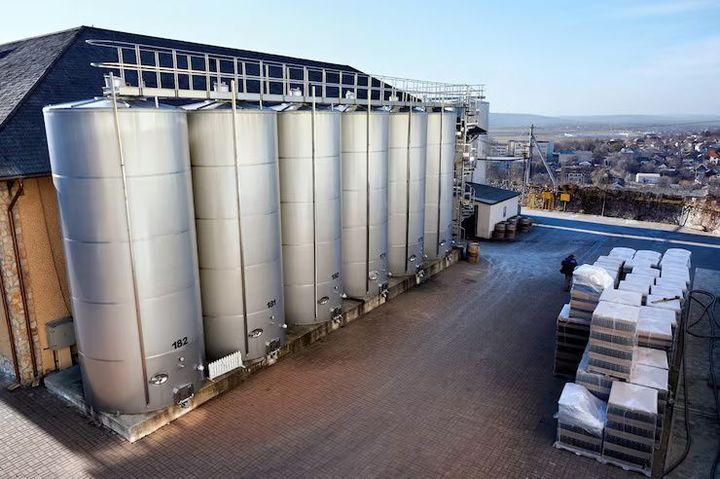
Industrial tank design involves planning and constructing storage vessels that safely contain liquids, chemicals, fuels, gases, food products, wastewater, and other industrial materials. Storage solutions vary depending on the intended application, operating conditions, storage capacity, pressure requirements, and environmental factors.
Industrial tanks have been used for decades in sectors such as chemical processing, agriculture, pharmaceuticals, food production, petroleum, mining, and municipal water management. Modern tanks are designed with durability, corrosion resistance, structural integrity, and maintenance accessibility in mind. Engineers evaluate multiple factors before selecting an appropriate storage system.
Common Types of Industrial Tanks
Several types of industrial tanks are designed for different applications:
- Vertical storage tanks
- Horizontal storage tanks
- Underground storage tanks
- Above-ground storage tanks
- Stainless steel tanks
- Carbon steel tanks
- Fiberglass reinforced plastic tanks
- Polyethylene storage tanks
- Pressure vessels
- Water storage tanks
Each design provides specific advantages depending on storage capacity, material compatibility, operating pressure, and installation location.
Importance
Industrial tank design directly affects operational safety, environmental protection, and long-term equipment reliability. Proper storage solutions reduce the likelihood of leaks, contamination, structural failures, and unnecessary maintenance interruptions.
Many industries rely on industrial tanks every day. Manufacturing facilities store production materials, food processors maintain hygienic storage, water treatment plants manage clean and wastewater supplies, while energy facilities safely contain fuels and process fluids.
Well-designed storage systems help organizations by:
- Supporting safe material storage
- Improving operational efficiency
- Protecting stored products from contamination
- Reducing environmental risks
- Simplifying inspections and maintenance
- Meeting industry compliance requirements
Selecting the correct tank design also helps ensure compatibility with stored materials, temperature variations, and operating conditions.
Recent Updates
Between 2024 and 2026, industrial tank design has continued evolving with improvements in materials, monitoring technology, and sustainability practices.
Manufacturers increasingly use corrosion-resistant materials, advanced coatings, and composite materials to extend equipment lifespan. Digital monitoring systems now provide continuous measurement of liquid levels, pressure, temperature, and structural conditions.
Several notable developments include:
- Increased adoption of smart sensors for remote monitoring.
- Improved predictive maintenance using data analytics.
- Greater use of double-wall tank designs for environmental protection.
- Expanded application of automated inspection technologies.
- Enhanced corrosion monitoring systems.
- Greater focus on energy-efficient manufacturing processes.
- Improved welding inspection methods using digital imaging.
Environmental sustainability has also influenced storage solutions. Many facilities are modernizing older infrastructure to improve containment performance, reduce emissions, and minimize environmental impact through improved leak detection systems.
Laws or Policies
Industrial tanks are subject to engineering standards, environmental regulations, and workplace safety requirements. These rules help protect employees, surrounding communities, and natural resources.
Requirements often address tank construction, installation, inspection, maintenance, spill prevention, emergency preparedness, and environmental monitoring. Regulations vary depending on the stored material, operating pressure, and country or region.
The table below summarizes common regulatory areas.
| Regulatory Area | Purpose |
|---|---|
| Design standards | Ensure structural integrity and safe operation |
| Material specifications | Promote compatibility with stored substances |
| Inspection requirements | Identify wear, corrosion, or structural damage |
| Environmental protection | Reduce leaks and prevent contamination |
| Fire safety requirements | Improve emergency preparedness |
| Maintenance documentation | Support regular inspection records |
Many organizations also follow recognized engineering standards and industry guidelines throughout the design, fabrication, installation, and operational life of industrial storage tanks.
Safety Considerations During Operation
Safe industrial tank operation includes several important practices:
- Conduct routine visual inspections.
- Monitor pressure and liquid levels.
- Maintain corrosion protection systems.
- Verify valve and piping integrity.
- Follow emergency response procedures.
- Keep maintenance records updated.
- Train personnel on safe operating procedures.
These measures contribute to reliable storage performance while supporting workplace safety.
Tools and Resources
Various engineering tools and educational resources assist with industrial tank design and storage planning.
Useful resources include:
- Tank capacity calculators
- Volume conversion calculators
- Material compatibility reference charts
- Corrosion assessment guides
- Engineering design templates
- Pressure vessel calculation software
- Inspection checklist templates
- Government environmental guidance documents
- Occupational safety publications
- Industry technical standards
Many engineering software platforms also provide three-dimensional modeling, structural analysis, stress calculations, and maintenance planning that support industrial tank projects throughout their lifecycle.
Educational institutions, engineering organizations, and government agencies regularly publish technical documents that explain storage safety, inspection methods, environmental protection practices, and regulatory requirements.
FAQs
What is industrial tank design?
Industrial tank design is the engineering process of creating storage vessels that safely contain liquids, gases, or bulk materials while meeting operational, structural, and safety requirements.
What materials are commonly used for industrial tanks?
Common materials include carbon steel, stainless steel, fiberglass reinforced plastic, polyethylene, and specialized alloys selected according to the stored material and operating environment.
Why are storage solutions important?
Proper storage solutions improve safety, protect product quality, support environmental protection, and help maintain reliable industrial operations.
How often should industrial tanks be inspected?
Inspection frequency depends on regulations, operating conditions, stored materials, and company maintenance programs. Regular inspections help identify corrosion, leaks, or structural issues before they become significant.
Which industries use industrial tanks?
Industrial tanks are widely used in chemical manufacturing, food processing, pharmaceuticals, agriculture, petroleum, mining, water treatment, energy production, and many other industrial sectors.
Conclusion
Industrial tank design and storage solutions form an essential part of modern industrial infrastructure. Well-designed tanks improve operational efficiency, support environmental protection, and promote safe storage of a wide range of materials. Advances in monitoring technology, corrosion protection, and engineering practices continue to improve storage system reliability. Understanding design principles, regulatory requirements, and maintenance practices helps organizations operate storage facilities safely and responsibly.