Explore Renewable Energy Technologies: Complete Information Guide
Renewable energy technologies are changing the way electricity and heat are produced around the world. These technologies use naturally replenished resources such as sunlight, wind, flowing water, geothermal heat, and organic materials to generate energy with lower environmental impact than many conventional energy sources. As countries work toward long-term energy security and climate goals, renewable energy has become an important part of national energy strategies.
Understanding renewable energy technologies helps individuals, businesses, educators, and policymakers make informed decisions about energy use and sustainability. From residential solar panels to large-scale wind farms and hydropower stations, renewable energy systems continue to expand as technology improves and governments introduce supportive policies. This guide explains the basics, importance, recent developments, regulations, and helpful resources related to renewable energy technologies.
Context
Renewable energy technologies refer to systems and equipment that convert naturally replenishing resources into usable energy. Unlike fossil fuels, renewable resources are continuously renewed through natural processes. These technologies help diversify energy production while reducing dependence on finite fuel sources.
The major renewable energy technologies include:
- Solar energy using photovoltaic panels and solar thermal systems
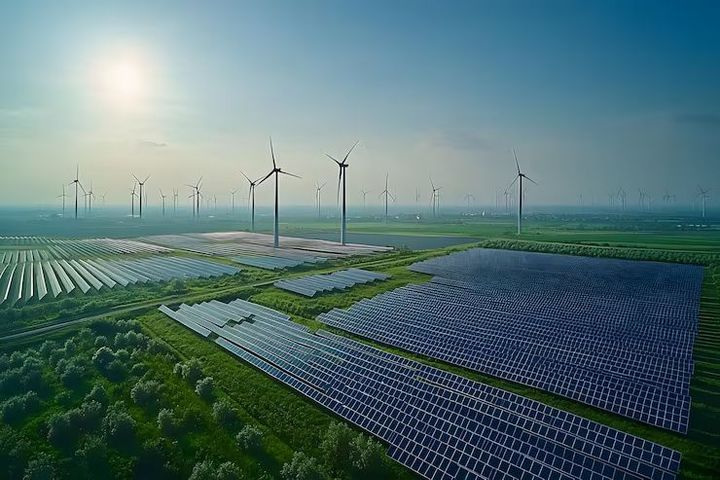
- Wind energy generated through onshore and offshore turbines
- Hydropower from flowing or stored water
- Geothermal energy from heat beneath the Earth's surface
- Biomass energy produced from organic materials
Each technology has unique advantages depending on geography, climate, available resources, and energy demand.
Main Types of Renewable Energy Technologies
| Technology | Primary Energy Source | Common Applications | Key Benefit |
|---|---|---|---|
| Solar Energy | Sunlight | Homes, businesses, utility plants | Abundant energy source |
| Wind Energy | Wind | Wind farms, rural electricity | Low operational emissions |
| Hydropower | Flowing water | Electricity generation | Reliable power production |
| Geothermal Energy | Earth's heat | Heating, electricity | Continuous energy availability |
| Biomass Energy | Organic materials | Heating, electricity, biofuels | Utilizes renewable biological resources |
Renewable energy technologies continue to evolve through research, improved efficiency, digital monitoring systems, and energy storage innovations.
Importance
Renewable energy technologies play a significant role in modern energy systems because they support environmental sustainability, energy diversification, and long-term resource management.
They are important for several reasons:
- Help reduce greenhouse gas emissions.
- Improve energy security through diverse energy sources.
- Support cleaner electricity generation.
- Encourage technological innovation.
- Contribute to sustainable economic development.
Many groups are affected by renewable energy technologies, including:
- Households interested in energy efficiency
- Businesses seeking sustainable operations
- Governments developing climate policies
- Educational institutions conducting research
- Energy professionals planning future infrastructure
Renewable energy also contributes to improved air quality in many regions by reducing reliance on higher-emission energy sources where renewable alternatives are practical.
Recent Updates
The renewable energy sector experienced significant developments between 2024 and 2026 as countries accelerated clean energy investments and technological improvements.
Solar panel efficiency has continued to improve through advances in photovoltaic materials and manufacturing techniques. Researchers have also focused on increasing panel durability and recycling methods to support long-term sustainability.
Wind energy projects have expanded in both onshore and offshore environments. Larger turbines, improved blade designs, and smarter monitoring systems have enhanced electricity generation while improving operational performance.
Emerging Trends (2024–2026)
Several important trends have shaped renewable energy technologies:
- Greater use of battery energy storage systems.
- Increased integration of smart grids.
- Expansion of offshore wind development.
- Growth in green hydrogen production using renewable electricity.
- Artificial intelligence supporting energy forecasting and system management.
Digital technologies now help operators monitor renewable energy assets in real time, allowing predictive maintenance and improved grid stability.
International organizations continue to report record growth in renewable electricity capacity, reflecting increased investments and national clean energy targets across many regions.
Laws or Policies
Renewable energy technologies are supported by various national and international policies designed to encourage sustainable energy development while maintaining environmental and technical standards.
Many governments establish renewable energy targets within national energy plans. These targets often encourage gradual increases in renewable electricity generation while improving grid infrastructure.
Examples of policy areas include:
- Renewable energy targets
- Grid connection regulations
- Environmental impact assessments
- Energy efficiency standards
- Building energy codes
- Carbon reduction strategies
International cooperation also plays an important role through agreements focused on climate action and sustainable development.
In many countries, renewable energy projects must comply with:
- Environmental regulations
- Land-use planning requirements
- Electrical safety standards
- Grid interconnection rules
- Local permitting procedures
Policies vary by country and region, making it important to consult official government energy agencies for current requirements.
Tools and Resources
Several reliable resources help individuals and organizations learn about renewable energy technologies and monitor industry developments.
Useful resources include:
- National energy department websites
- International Renewable Energy Agency (IRENA)
- International Energy Agency (IEA)
- United Nations climate resources
- Government renewable energy portals
- University research publications
Helpful digital tools may include:
| Resource Type | Purpose |
|---|---|
| Solar energy calculators | Estimate potential solar electricity generation |
| Wind resource maps | Evaluate regional wind conditions |
| Energy consumption calculators | Understand household or business energy usage |
| Carbon footprint calculators | Estimate environmental impact |
| Government information portals | Access renewable energy policies and guidance |
Educational platforms, scientific journals, and technical publications also provide updated information about renewable energy technologies, research findings, and emerging innovations.
FAQs
What are renewable energy technologies?
Renewable energy technologies are systems that generate usable energy from naturally replenished resources such as sunlight, wind, water, geothermal heat, and biomass.
Why are renewable energy technologies important?
They help diversify energy production, support environmental sustainability, reduce greenhouse gas emissions, and improve long-term energy security.
Which renewable energy technology is most widely used?
The answer varies by region. Solar energy and hydropower are among the most widely deployed renewable energy technologies globally, while wind energy has also expanded rapidly.
Are renewable energy technologies improving?
Yes. Continuous research has improved efficiency, energy storage, digital monitoring, grid integration, and equipment durability between 2024 and 2026.
Where can I learn more about renewable energy technologies?
Official government energy agencies, international organizations such as IEA and IRENA, universities, and scientific publications provide reliable educational information.
Conclusion
Renewable energy technologies have become an essential part of modern energy systems by using naturally replenished resources to produce electricity and heat. Solar, wind, hydropower, geothermal, and biomass technologies each contribute to cleaner and more diversified energy production.
Continued research, supportive policies, and technological innovation are improving the efficiency and reliability of renewable energy systems. As global energy needs continue to evolve, understanding renewable energy technologies helps individuals and organizations make informed decisions based on reliable information.
Learning about renewable energy technologies also supports greater awareness of sustainable energy practices and future energy developments.
Accessing trusted educational resources and official government information can help readers stay informed as renewable energy continues to develop worldwide.