Complete Guide to Automotive Parts Manufacturing Equipment and Production
Automotive parts manufacturing equipment plays a vital role in producing the components used in passenger vehicles, commercial trucks, electric vehicles, and other transportation systems. Modern manufacturing facilities use a combination of automated machines, precision tools, robotics, and quality inspection systems to produce reliable automotive parts that meet industry standards. Understanding automotive parts manufacturing equipment and production helps explain how today's vehicles achieve higher levels of safety, efficiency, and durability.
This guide provides an overview of automotive parts manufacturing equipment, common production methods, industry developments, regulatory requirements, and useful resources. Whether you are interested in industrial manufacturing, engineering, or automotive technology, learning about automotive production offers valuable insight into one of the world's largest manufacturing sectors.
Context
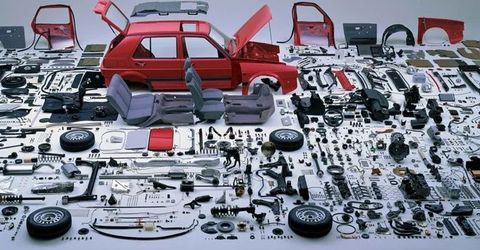
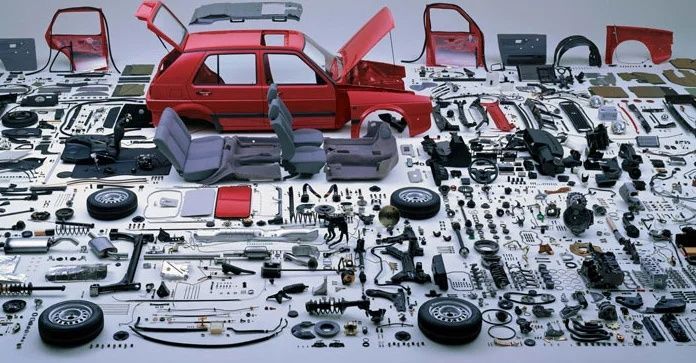
Automotive parts manufacturing equipment includes the machines, tools, and automated systems used to produce vehicle components. These components range from engine parts and transmission assemblies to brake systems, suspension components, body panels, electrical connectors, and interior parts.
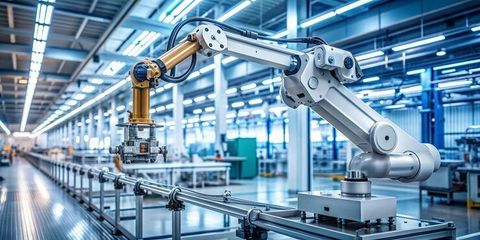
The automotive industry has evolved from manual assembly techniques to highly automated production environments. Today, manufacturers combine computer-controlled machinery, robotics, precision measuring systems, and digital production management to improve consistency and efficiency. Automotive parts manufacturing equipment supports every stage of production, from raw material processing to final inspection.
Common Types of Manufacturing Equipment
Different equipment is used depending on the component being produced.
- CNC machining centers
- Metal stamping presses
- Injection molding machines
- Die casting machines
- Robotic welding systems
- Laser cutting machines
- Industrial conveyors
- Surface finishing equipment
- Coordinate Measuring Machines (CMM)
- Automated inspection systems
Each machine contributes to producing automotive components with accurate dimensions and repeatable quality.
Importance
Automotive parts manufacturing equipment is essential because it enables manufacturers to produce millions of precision components every year. Reliable production equipment improves manufacturing efficiency while supporting consistent product quality across large production volumes.
The industry affects many sectors, including automotive manufacturing, engineering, logistics, material suppliers, research organizations, educational institutions, and quality assurance laboratories. Advances in manufacturing equipment also support electric vehicle production, lightweight materials, and improved fuel efficiency.
Modern production equipment provides several important advantages:
- Higher manufacturing accuracy
- Improved production consistency
- Better workplace safety through automation
- Reduced material waste
- Faster inspection processes
- Enhanced traceability during production
- Support for complex component designs
Continuous improvements in manufacturing technology help automotive companies adapt to changing vehicle designs and increasing quality expectations.
Recent Updates
From 2024 to 2026, automotive parts manufacturing equipment has continued evolving with greater integration of digital technologies and automation. Manufacturers are increasingly combining robotics, artificial intelligence, industrial sensors, and real-time production monitoring to improve operational efficiency.
Several notable developments include:
- Expanded use of collaborative robots alongside production workers.
- Greater adoption of Industry 4.0 technologies.
- Increased digital monitoring of production equipment.
- More advanced predictive maintenance systems.
- Wider use of machine vision for quality inspection.
- Increased production equipment designed for electric vehicle components.
- Growth in lightweight material processing technologies.
Manufacturers are also investing in digital twins that simulate production lines before physical implementation. These virtual models help identify process improvements and reduce manufacturing disruptions.
Environmental sustainability has also become a significant focus. Many production facilities now emphasize energy-efficient equipment, reduced emissions, recycling of production materials, and improved waste management practices.
Laws or Policies
Automotive manufacturing operates within strict quality, environmental, and workplace safety regulations. Manufacturers must comply with national laws as well as internationally recognized industry standards.
Common regulatory areas include product quality management, environmental protection, worker safety, machinery operation, hazardous material handling, and emissions control during manufacturing.
The following table summarizes important regulatory categories.
| Regulation Area | Purpose |
|---|---|
| Quality Management Standards | Improve manufacturing consistency |
| Workplace Safety Regulations | Protect employees operating equipment |
| Environmental Regulations | Reduce emissions and industrial waste |
| Machine Safety Standards | Promote safe equipment operation |
| Material Traceability Requirements | Improve production documentation |
| Electrical Safety Standards | Support safe industrial automation |
Many automotive manufacturers also follow internationally recognized quality management systems and supplier evaluation processes to maintain consistent production performance throughout the supply chain.
Production Quality Control
Quality inspection is integrated throughout the production process rather than performed only after manufacturing is complete.
Common quality control activities include:
- Dimensional measurement
- Material verification
- Surface inspection
- Functional testing
- Automated visual inspection
- Statistical process monitoring
These procedures help identify manufacturing variations early and support continuous process improvement.
Tools and Resources
Various educational and technical resources help professionals and students understand automotive parts manufacturing equipment and production processes.
Useful resources include:
- International standards organizations
- Government manufacturing guidance portals
- Automotive engineering publications
- Industrial automation learning platforms
- Manufacturing process calculators
- CAD and CAM software documentation
- CNC programming tutorials
- Production planning templates
- Lean manufacturing educational materials
Digital manufacturing software also supports equipment programming, production scheduling, simulation, inventory planning, and process documentation. Many organizations publish technical manuals that explain machine operation, maintenance procedures, and quality management practices.
Industry conferences, technical journals, and engineering associations continue sharing information about new manufacturing technologies, automation techniques, and sustainable production practices.
FAQs
What is automotive parts manufacturing equipment?
Automotive parts manufacturing equipment includes the machines and automated systems used to produce vehicle components such as engine parts, brake components, body panels, suspension systems, and electrical assemblies.
Why is automation important in automotive production?
Automation improves production consistency, precision, efficiency, workplace safety, and quality inspection while supporting large-scale manufacturing operations.
Which industries use automotive manufacturing equipment?
Automotive manufacturing, aerospace suppliers, metal fabrication companies, plastics processing facilities, industrial engineering firms, and research institutions commonly use similar production technologies.
How does quality control improve automotive production?
Quality control helps identify production variations, supports accurate component dimensions, improves product reliability, and reduces manufacturing defects throughout the production process.
How is automotive manufacturing changing between 2024 and 2026?
Recent developments include increased robotics, artificial intelligence, digital production monitoring, predictive maintenance, electric vehicle component manufacturing, and environmentally responsible production technologies.
Conclusion
Automotive parts manufacturing equipment forms the foundation of modern vehicle production by combining precision machinery, automation, and advanced quality control systems. Continuous technological improvements are making manufacturing more efficient, accurate, and environmentally responsible. Understanding automotive parts manufacturing equipment and production provides valuable insight into how today's vehicles are produced and how the industry continues to evolve through digital innovation and advanced engineering. As manufacturing technologies continue to develop, production systems will remain essential to supporting safe, reliable, and efficient transportation worldwide.