Explore Consumer Electronics Trends and Technology Updates
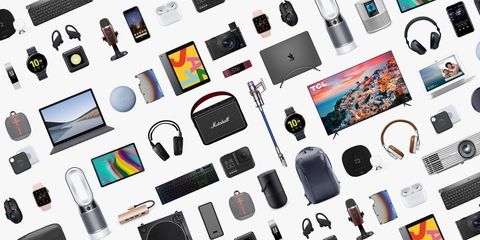
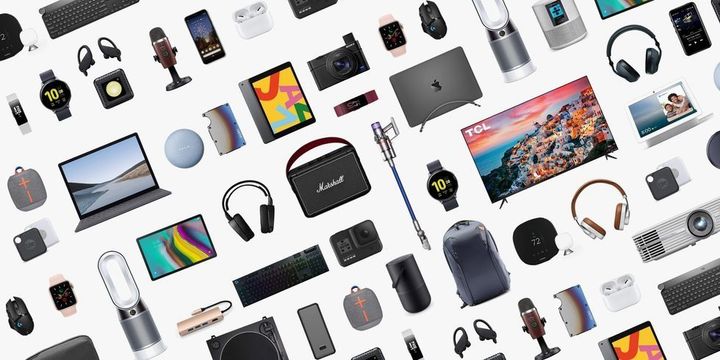
Consumer electronics are devices designed for everyday personal and household use. Products such as the Smartphone, Laptop, Tablet, Smart TV, Headphones, Smartwatch, Bluetooth Speaker, Security Camera, and Home Automation systems have become part of daily life. These technologies support communication, entertainment, education, productivity, and home management.
Over the past decade, consumer electronics have evolved rapidly due to advances in connectivity, artificial intelligence, cloud computing, and energy efficiency. New features continue to improve convenience, performance, and user experience while making devices more interconnected than ever before.
Context
Consumer electronics refer to electronic devices intended for regular use by individuals and families. The category includes mobile devices, computing equipment, audio products, display technologies, wearable devices, and smart home solutions.
The primary purpose of consumer electronics is to simplify daily activities and provide access to digital information and communication. A Smartphone can connect users to online resources, while a Laptop or Tablet supports work and learning. A Smart TV delivers digital entertainment, and a Smartwatch helps monitor fitness and notifications.
Common Consumer Electronics Categories
| Category | Example Devices | Main Purpose |
|---|---|---|
| Mobile Devices | Smartphone, Tablet | Communication and internet access |
| Computing Devices | Laptop | Productivity and education |
| Entertainment Devices | Smart TV, Headphones | Media consumption |
| Wearable Devices | Smartwatch | Health and activity tracking |
| Audio Devices | Bluetooth Speaker | Wireless audio playback |
| Smart Home Devices | Security Camera, Home Automation | Monitoring and automation |
The increasing integration of software and internet connectivity has transformed many traditional electronic products into smart devices capable of interacting with one another.
Importance
Consumer electronics affect individuals, businesses, educational institutions, and households. They play an important role in accessing information, staying connected, and managing daily tasks.
Some key benefits include:
- Improved communication through smartphones and tablets
- Enhanced productivity using laptops and connected devices
- Greater convenience through home automation technologies
- Better security through connected security cameras
- Access to digital entertainment through smart TVs and audio devices
These technologies also influence industries such as education, healthcare, retail, transportation, and media by supporting digital transformation and remote access to information.
Recent Updates
Between 2024 and 2026, several important trends have shaped the consumer electronics market.
Artificial Intelligence Integration
Artificial intelligence features have become more common in smartphones, laptops, and smart home devices. AI-powered tools assist with voice commands, photography enhancement, energy management, and personalized recommendations.
Connected Smart Ecosystems
Manufacturers increasingly focus on creating ecosystems where devices work together seamlessly. A Smartphone may control a Smart TV, Smartwatch, Bluetooth Speaker, Security Camera, and Home Automation system through a single application.
Other notable developments include:
- Longer battery life in portable devices
- Improved wireless connectivity standards
- Higher-resolution display technologies
- Enhanced privacy and security features
- Growth of health-monitoring capabilities in smartwatches
- Wider adoption of smart home automation platforms
Foldable smartphones and hybrid tablet-laptop designs have also gained attention as manufacturers explore new device formats.
Laws or Policies
Consumer electronics are subject to various laws, regulations, and standards that promote safety, privacy, environmental responsibility, and interoperability.
Important policy areas include:
| Policy Area | Purpose |
|---|---|
| Product Safety Standards | Reduce risks associated with electronic devices |
| Data Privacy Regulations | Protect personal information collected by devices |
| Electronic Waste Policies | Encourage responsible recycling and disposal |
| Energy Efficiency Requirements | Promote reduced energy consumption |
| Wireless Communication Standards | Ensure compatibility and reliable connectivity |
Many governments have introduced regulations related to data protection because smart devices often collect and process personal information. Security Camera systems, Smart TVs, and Home Automation products may require manufacturers to implement stronger security measures.
Environmental policies are also encouraging sustainable manufacturing practices and improved electronic waste management.
Tools and Resources
Several online resources can help consumers understand and manage electronic devices effectively.
Useful resources include:
- Manufacturer support portals for software updates and documentation
- Device compatibility checkers for connected products
- Energy efficiency information databases
- Cybersecurity guidance websites
- Smart home setup guides and planning tools
Common tools used by consumers include:
| Tool Type | Purpose |
|---|---|
| Device Comparison Tools | Compare specifications and features |
| Battery Health Checkers | Monitor battery performance |
| Network Speed Tests | Evaluate internet connectivity |
| Smart Home Configuration Apps | Manage connected devices |
| Security Assessment Tools | Improve device protection |
These resources help users make informed decisions and maintain the performance and security of their electronic devices.
FAQs
What is considered consumer electronics?
Consumer electronics include products such as smartphones, laptops, tablets, smart TVs, headphones, smartwatches, Bluetooth speakers, security cameras, and home automation devices designed for personal or household use.
Why are smart home devices becoming more popular?
Smart home devices provide convenience, automation, remote access, and improved monitoring of household systems through connected applications and networks.
How does artificial intelligence affect consumer electronics?
Artificial intelligence enhances features such as voice assistants, image processing, predictive maintenance, personalization, and automated device management.
What should users consider when connecting multiple devices?
Users should review compatibility, security settings, software updates, and network requirements to ensure reliable and secure operation.
Why are privacy regulations important for smart devices?
Many connected devices collect user data. Privacy regulations help protect personal information and establish requirements for responsible data handling.
Conclusion
Consumer electronics continue to evolve as technology advances and connectivity becomes more widespread. Devices such as the Smartphone, Laptop, Tablet, Smart TV, Headphones, Smartwatch, Bluetooth Speaker, Security Camera, and Home Automation systems now play an important role in everyday life. Recent developments in artificial intelligence, smart ecosystems, and energy efficiency are shaping the future of the industry. Understanding current trends, policies, and available resources can help users make informed decisions and use technology more effectively.