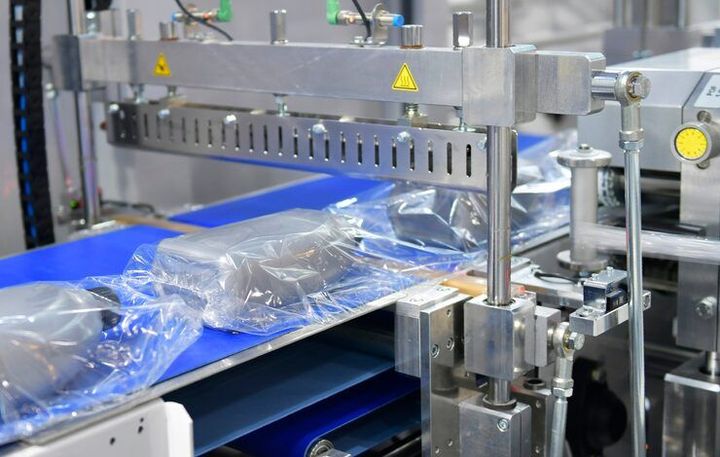
Important Facts About Shrink Machines and Their Industrial Uses
Shrink machines are industrial packaging systems used to wrap products in a plastic film that shrinks tightly around the item when heat is applied. This process, known as shrink wrapping, creates a secure, protective, and tamper-evident seal around products. Shrink machines are widely used across industries such as food and beverage, pharmaceuticals, logistics, electronics, and retail packaging.
In recent years, shrink packaging technology has evolved significantly due to automation, sustainability requirements, and growing demand for efficient packaging solutions. Modern shrink machines now feature energy-efficient heating systems, faster throughput, and compatibility with eco-friendly shrink films. As supply chains become more complex and e-commerce expands, the need for reliable and protective packaging has increased.
Understanding shrink machines, their working principles, and industrial uses is essential for manufacturers, packaging professionals, and business owners. It helps optimize packaging processes, reduce material waste, and improve product safety during storage and transportation.
Who It Affects and What Problems It Solves
Shrink machines impact a wide range of industries, including manufacturing, logistics, retail, and food processing. Packaging teams rely on these machines to protect products, while businesses benefit from improved efficiency and reduced damage during shipping.
For companies handling bulk products or fragile items, shrink machines provide a consistent and reliable packaging solution. They are also essential for branding and presentation in retail environments.
Problems It Solves
- Product damage during transportation and handling
- Inefficient manual packaging processes
- Lack of tamper-proof packaging
- Inconsistent packaging quality
- High material waste and packaging costs
- Difficulty in handling bulk or irregular-shaped items
Shrink machines address these challenges by providing secure, uniform, and efficient packaging.
Recent Updates and Trends
The shrink packaging industry has seen several advancements over the past year. One major trend is the adoption of fully automated shrink machines, which integrate sealing and shrinking processes for faster production and reduced labor dependency.
Another key development is the use of energy-efficient heat tunnels that reduce power consumption while maintaining consistent shrink quality. These systems are designed to optimize temperature control and airflow.
Sustainability is also a growing focus, with manufacturers adopting recyclable and biodegradable shrink films to reduce environmental impact. Additionally, smart monitoring systems are being integrated into machines to track performance and maintenance needs.
Compact and modular machine designs are becoming popular, allowing easier integration into existing production lines.
Types of Shrink Machines and Functions
| Machine Type | Description | Key Benefits | Common Applications |
|---|---|---|---|
| Manual Shrink Machine | Operated manually for small-scale packaging | Low cost, simple operation | Small businesses |
| Semi-Automatic Machine | Combines manual and automated processes | Improved efficiency | Medium-scale operations |
| Automatic Shrink Machine | Fully automated packaging system | High speed, consistency | Large-scale production |
| L-Bar Sealer | Seals film before shrinking | Precise sealing | Retail packaging |
| Shrink Tunnel | Applies heat to shrink film | Uniform finish | Industrial packaging lines |
Working Principle of Shrink Machines
Shrink machines operate through a combination of sealing and heating processes:
- The product is placed inside a shrink film
- The film is sealed around the product using a sealing unit
- The wrapped product passes through a heat tunnel
- Heat causes the film to shrink tightly around the product
- The final package is compact, secure, and visually appealing
This process ensures protection and durability during handling and transportation.
Key Components of Shrink Machines
| Component | Function Description | Key Benefit | Role in Operation |
|---|---|---|---|
| Sealing Unit | Cuts and seals the film | Secure packaging | Initial wrapping |
| Heat Tunnel | Applies heat to shrink the film | Tight and uniform finish | Shrinking process |
| Conveyor System | Moves products through the machine | Continuous operation | Material handling |
| Control Panel | Manages machine settings | Ease of operation | Process control |
| Cooling System | Stabilizes the film after shrinking | Maintains shape | Final finishing |
Industrial Applications of Shrink Machines
Shrink machines are used in various industries due to their versatility:
- Food and Beverage: Packaging bottles, cans, and products
- Pharmaceuticals: Protecting medical supplies and
- Electronics: Securing delicate components
- Logistics: Bundling products for transportation
- Retail: Enhancing product presentation and branding
Their adaptability makes them essential in modern packaging operations.
Laws or Policies and Practical Guidance
Shrink machines must comply with industrial safety and environmental regulations. In India, packaging equipment is subject to standards under the Factories Act and guidelines from the Bureau of Indian Standards (BIS). These regulations ensure safe operation and proper handling of materials.
Environmental policies are encouraging the use of recyclable and biodegradable packaging materials to reduce waste.
Practical Guidance
- Use automatic machines for high-volume production
- Select appropriate shrink film based on product type
- Ensure proper temperature control for consistent results
- Perform regular maintenance to avoid breakdowns
- Follow safety guidelines when operating heat equipment
Choosing the right machine depends on production scale and packaging requirements.
Tools and Resources
Several tools and resources support shrink machine operations:
- Packaging Design Software: Optimize packaging layouts
- Temperature Monitoring Systems: Ensure consistent heat levels
- Maintenance Software: Track machine performance
- Material Guides: Help select suitable shrink films
- Training Programs: Provide operational knowledge
- Safety Equipment: Ensure compliance with standards
These resources help improve efficiency and maintain quality.
Frequently Asked Questions
What is a shrink machine used for?
It is used to wrap products in shrink film for protection, bundling, and presentation.
What industries use shrink machines?
Industries such as food, pharmaceuticals, electronics, logistics, and retail use shrink machines.
How does a shrink tunnel work?
It applies heat to shrink film, creating a tight seal around the product.
Are shrink machines energy efficient?
Modern machines are designed to reduce energy consumption while maintaining performance.
What type of shrink machine is best for large-scale production?
Automatic shrink machines are ideal for high-volume operations.
Conclusion
Shrink machines are essential packaging systems that provide efficient, secure, and visually appealing product wrapping. Recent trends highlight advancements in automation, energy efficiency, and sustainable materials, reflecting the evolving needs of modern industries.
By understanding machine types, working principles, and applications, businesses can optimize packaging processes and reduce costs. Proper selection and maintenance ensure consistent performance and long-term reliability.
Overall, shrink machines play a crucial role in industrial packaging, supporting product protection, efficiency, and supply chain effectiveness.