Hydraulic Power System Overview: Learn Fundamentals, Facts, Tips, and Practical Knowledge
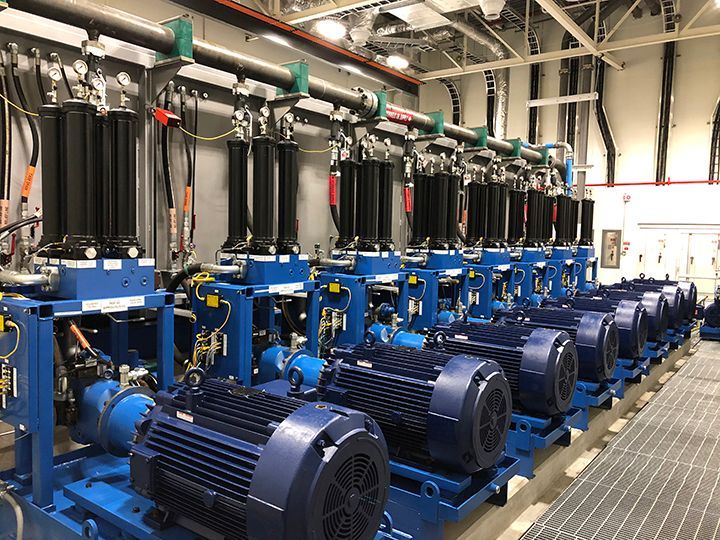
Hydraulic power systems are mechanical systems that use fluid pressure to generate, control, and transmit power. These systems rely on the principle that liquids are nearly incompressible, allowing force to be transferred efficiently through pipes and components.
In simple terms, a hydraulic system converts mechanical energy into hydraulic energy using fluid (usually oil), and then converts it back into mechanical energy to perform work. This concept is widely used in industries where heavy loads, precise control, and high force are required.
Hydraulic systems exist because traditional mechanical systems often face limitations in power transmission, flexibility, and efficiency. By using pressurized fluid, hydraulic systems can deliver smooth, consistent force across long distances and complex setups.
Common applications include:
-
Industrial machinery and automation systems
-
Construction equipment such as excavators and loaders
-
Aircraft control systems
-
Manufacturing and assembly processes
Why Hydraulic Systems Matter Today
Hydraulic power systems remain highly relevant due to their efficiency, reliability, and ability to handle demanding tasks. As industries move toward automation and precision engineering, these systems continue to play a critical role.
They are especially important in sectors that require:
-
High force output in compact designs
-
Smooth and controlled motion
-
Durability under extreme conditions
Key problems solved by hydraulic systems include:
-
Lifting and moving heavy loads with minimal effort
-
Providing consistent force without sudden fluctuations
-
Enabling precise control in industrial processes
A comparison of hydraulic systems with other power systems highlights their strengths:
| Feature | Hydraulic Systems | Electrical Systems | Pneumatic Systems |
|---|---|---|---|
| Force Output | High | Medium | Low |
| Precision Control | High | High | Moderate |
| Maintenance Level | Moderate | Low | Low |
| Efficiency in Heavy Loads | Excellent | Limited | Limited |
These advantages make hydraulic systems essential in industries such as manufacturing, aerospace, and heavy engineering.
Recent Trends and Developments
Over the past year, hydraulic technology has seen notable advancements focused on efficiency, sustainability, and digital integration.
Key updates observed in 2025–2026 include:
-
Increased adoption of electro-hydraulic systems, which combine electronic controls with hydraulic power for improved precision
-
Development of energy-efficient hydraulic pumps to reduce energy consumption
-
Integration of IoT-based monitoring systems for predictive maintenance
-
Use of biodegradable hydraulic fluids to reduce environmental impact
A simple trend overview:
| Trend Area | Description | Impact |
|---|---|---|
| Smart Hydraulics | Sensors and real-time monitoring | Higher efficiency |
| Energy Optimization | Variable displacement pumps | Lower energy use |
| Digital Integration | Automation and control systems | Better accuracy |
| Sustainable Fluids | Eco-friendly hydraulic oils | Reduced environmental risk |
These changes reflect a shift toward smarter and more environmentally responsible hydraulic systems.
Regulatory and Policy Considerations
Hydraulic systems are influenced by various regulations related to safety, environmental protection, and equipment standards. These rules ensure that systems operate safely and do not harm users or the environment.
Important regulatory areas include:
-
Workplace safety standards for machinery operation
-
Fluid disposal and environmental guidelines to prevent contamination
-
Equipment certification requirements for industrial use
-
Pressure system regulations to avoid system failures
Common compliance requirements involve:
-
Regular inspection and maintenance of hydraulic components
-
Proper handling and storage of hydraulic fluids
-
Use of certified components that meet industry standards
-
Training for operators handling hydraulic machinery
Organizations must follow these guidelines to ensure safe and efficient system performance.
Tools and Resources for Learning and Application
A variety of tools and resources can help individuals understand and work with hydraulic systems more effectively.
Useful tools include:
-
Hydraulic system calculators for pressure, flow rate, and force calculations
-
Simulation software for designing and testing hydraulic circuits
-
Maintenance checklists for routine inspection
-
Technical manuals and engineering guides
Popular resource categories:
-
Online learning platforms offering courses in fluid power systems
-
Engineering software tools for system design
-
Digital diagnostic tools for troubleshooting
-
Reference charts for fluid properties and system parameters
A simple example of key hydraulic formulas:
| Parameter | Formula |
|---|---|
| Force | Pressure × Area |
| Flow Rate | Volume ÷ Time |
| Power | Pressure × Flow Rate |
These tools help improve understanding and ensure accurate system design and operation.
Frequently Asked Questions
What is the basic principle of a hydraulic power system?
Hydraulic systems work on Pascal’s Law, which states that pressure applied to a confined fluid is transmitted equally in all directions. This allows force to be amplified and transferred efficiently.
What are the main components of a hydraulic system?
The core components include a pump, reservoir, valves, actuators (such as cylinders), and fluid. Each part plays a role in generating and controlling hydraulic energy.
Where are hydraulic systems commonly used?
They are widely used in construction equipment, manufacturing machines, aircraft systems, and industrial automation processes.
What are common challenges in hydraulic systems?
Typical issues include fluid leaks, contamination, overheating, and component wear. Regular maintenance helps reduce these problems.
How can hydraulic system efficiency be improved?
Efficiency can be improved by using high-quality components, maintaining proper fluid levels, minimizing leaks, and adopting modern control technologies.
Conclusion
Hydraulic power systems are a foundational technology in modern engineering, offering reliable and efficient solutions for high-force applications. Their ability to deliver controlled power makes them essential across multiple industries.
With recent advancements in smart technology and sustainability, hydraulic systems are evolving to meet modern demands. Understanding their fundamentals, components, and operational principles helps in better utilization and long-term performance.
By following proper regulations, using appropriate tools, and staying updated with current trends, individuals and organizations can ensure safe and efficient use of hydraulic systems in various applications.