Complete Guide to Material Handling Systems: Knowledge, Resources, Insights, and Installation Tips
Material handling systems refer to the methods, equipment, and technologies used to move, store, control, and protect goods throughout manufacturing, warehousing, and distribution processes. These systems exist to improve efficiency, reduce manual effort, and ensure that materials flow smoothly from one stage to another.
Understanding Material Handling Systems
Material handling systems refer to the methods, equipment, and technologies used to move, store, control, and protect goods throughout manufacturing, warehousing, and distribution processes. These systems exist to improve efficiency, reduce manual effort, and ensure that materials flow smoothly from one stage to another.
Traditional material handling relied heavily on manual labor and basic tools. However, with the growth of global supply chains and e-commerce, industries have increasingly adopted automated material handling systems and smart material handling systems. These advanced systems integrate software, sensors, and robotics to manage complex operations with greater accuracy.
Modern warehouses and factories now depend on automated warehouse solutions, warehouse sorting systems, and robotic material handling systems to handle large volumes of goods. The integration of Industry 4.0 material handling technologies, such as IoT and data analytics, has further transformed how materials are tracked and managed in real time.
Why Material Handling Systems Matter Today
Material handling systems play a central role in improving productivity, safety, and operational efficiency across industries. As supply chains become more complex, businesses require systems that can handle increased demand while maintaining accuracy.
Key reasons why this topic matters today include:
-
Operational Efficiency: Automated processes reduce delays and improve throughput in warehouses and factories.
-
Labor Optimization: Reduces reliance on manual labor while improving workplace safety.
-
Accuracy and Tracking: Advanced systems enable real-time tracking of inventory and movement.
-
Scalability: Systems can adapt to increasing demand without major disruptions.
-
Cost Control: While initial investment exists, long-term operational efficiency improves resource utilization.
Industries such as manufacturing, logistics, retail, pharmaceuticals, and food processing rely heavily on industrial automation material handling solutions to remain competitive. Without these systems, delays, errors, and inefficiencies can significantly impact productivity.
Types – Different Types of Material Handling Systems
Material handling systems can be categorized based on their level of automation and function. Each type serves a specific purpose depending on the operational requirements.
Manual Material Handling Systems
-
Involve human effort using basic tools like carts, pallets, and hand trucks
-
Suitable for small-scale operations
Mechanized Material Handling Systems
-
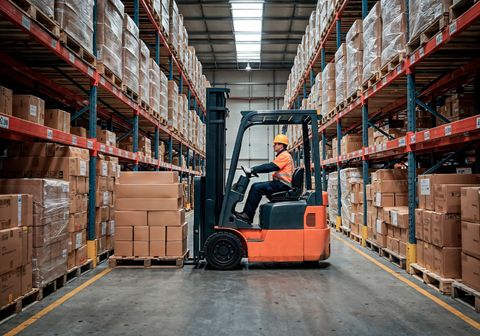
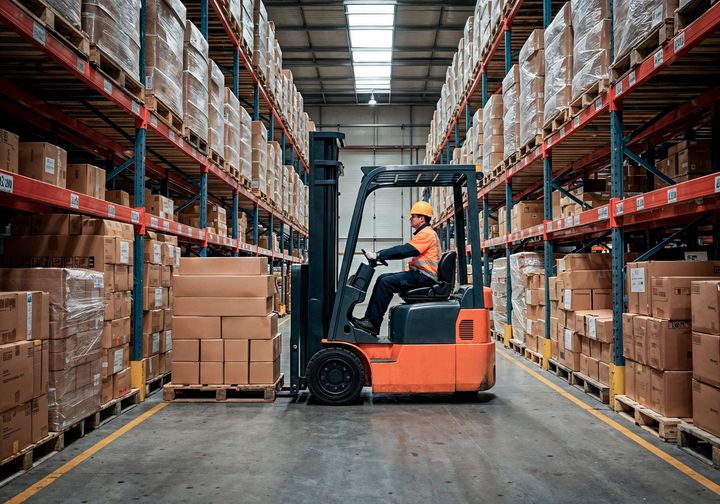
Use equipment such as forklifts and cranes
-
Improve efficiency but still require human control
Automated Material Handling Systems
-
Operate with minimal human intervention
-
Include conveyor belts, sensors, and control software
Automated Storage and Retrieval Systems (AS/RS)
-
High-density storage systems using robotics
-
Automatically store and retrieve items with precision
Warehouse Conveyor Systems
-
Transport goods across different areas
-
Common in warehouse conveyor installation setups
Robotic Material Handling Systems
-
Use robotic arms and mobile robots
-
Handle repetitive tasks like picking and packing
Smart Material Handling Systems
-
Integrate IoT, AI, and data analytics
-
Provide real-time insights and predictive maintenance
| System Type | Key Feature | Common Use Case |
|---|---|---|
| Manual Systems | Human-operated | Small warehouses |
| Mechanized Systems | Equipment-assisted | Medium-scale operations |
| Automated Systems | Minimal human input | Large distribution centers |
| AS/RS | Automated storage | High-density storage facilities |
| Robotic Systems | AI-powered automation | E-commerce fulfillment centers |
Benefits and Applications
Material handling systems provide a wide range of benefits across different industries. Their applications extend from simple storage operations to highly complex logistics networks.
Key Benefits
-
Improved Productivity: Faster movement of goods reduces processing time
-
Enhanced Safety: Minimizes workplace injuries by reducing manual handling
-
Space Optimization: Efficient storage systems maximize available space
-
Accuracy: Reduces errors in sorting, picking, and inventory tracking
-
Scalability: Supports business growth with minimal disruptions
Applications Across Industries
-
Warehousing and Distribution: Use of warehouse sorting systems and conveyors
-
Manufacturing: Movement of raw materials and finished goods
-
Retail and E-commerce: Automated order fulfillment systems
-
Pharmaceuticals: Controlled handling for sensitive products
-
Food and Beverage: Hygienic and efficient material movement
Top Leading Provider Company Names
Several global companies are known for developing advanced material handling technologies and solutions.
-
Daifuku Co., Ltd.
-
SSI Schaefer Group
-
Dematic (KION Group)
-
Honeywell Intelligrated
-
Murata Machinery, Ltd.
These companies focus on innovations in automated storage and retrieval systems, robotics, and automated warehouse solutions to support modern supply chain demands.
Recent Updates – Trends and Developments
Over the past year, material handling systems have seen rapid advancements driven by automation and digital transformation.
-
2025: Increased adoption of AI-driven smart material handling systems for predictive analytics
-
2025: Growth in autonomous mobile robots (AMRs) for warehouse operations
-
Late 2024 – Early 2025: Expansion of cloud-based warehouse management systems
-
2025: Integration of IoT sensors for real-time tracking and monitoring
-
2024–2025: Rising focus on energy-efficient and sustainable automation technologies
A trend graph representation:
| Year | Automation Adoption (%) |
|---|---|
| 2022 | 45% |
| 2023 | 52% |
| 2024 | 60% |
| 2025 | 68% |
These trends highlight the increasing importance of Industry 4.0 material handling and digital transformation in logistics.
Laws or Policies – Regulatory Environment
Material handling systems are influenced by various regulations and safety standards, especially in countries like India.
Key Regulatory Areas
-
Workplace Safety Regulations: Guidelines for equipment usage and worker safety
-
Industrial Standards: Compliance with machinery and automation standards
-
Environmental Policies: Focus on energy efficiency and emissions reduction
-
Digital and Data Policies: Regulations related to data security in smart systems
In India, frameworks such as the Factories Act and guidelines from the Bureau of Indian Standards (BIS) influence the design and operation of industrial automation material handling systems.
Organizations must ensure compliance with safety norms when implementing robotic material handling systems and automated equipment.
Tools and Resources – Helpful Platforms and Solutions
Several tools and resources help organizations design, implement, and manage material handling systems effectively.
Software Tools
-
Warehouse Management Systems (WMS)
-
Enterprise Resource Planning (ERP) platforms
-
Simulation software for system design
Digital Technologies
-
IoT sensors for tracking
-
AI-based analytics tools
-
Robotics control systems
Online Resources
-
Industry research reports
-
Automation technology websites
-
Technical documentation and guides
Templates and Calculators
-
Warehouse layout planning templates
-
Conveyor capacity calculators
-
ROI estimation tools for automation projects
These tools support the planning and optimization of automated material handling systems and improve operational decision-making.
FAQs – Common Questions About Material Handling Systems
What are material handling systems used for?
They are used to move, store, and manage materials efficiently within warehouses, factories, and distribution centers.
What is an automated storage and retrieval system (AS/RS)?
It is a system that automatically stores and retrieves items using robotics and software, improving storage efficiency and accuracy.
How do robotic material handling systems work?
They use programmed robots and sensors to perform tasks such as picking, sorting, and transporting goods with minimal human intervention.
What industries benefit most from these systems?
Industries such as logistics, manufacturing, retail, pharmaceuticals, and food processing benefit significantly from automation.
Are material handling systems scalable?
Yes, modern systems are designed to scale with business growth, especially those based on smart material handling systems and modular automation technologies.
Conclusion
Material handling systems have evolved from simple manual processes to advanced, technology-driven solutions that form the backbone of modern logistics and manufacturing. With the rise of automated material handling systems, robotic material handling systems, and Industry 4.0 material handling, organizations can achieve higher efficiency, accuracy, and scalability.
As industries continue to adopt automated warehouse solutions and intelligent systems, the role of data, automation, and sustainability will become even more significant. Understanding these systems, their types, benefits, and regulatory considerations helps businesses and professionals make informed decisions in a rapidly changing industrial landscape.
Disclaimer: Any references to operational investments, system implementation, or performance improvements are general informational estimates and may vary depending on scale, technology, and regional factors.