Heavy Duty Machinery Explained: Equipment, Technologies & Industrial Applications
Heavy duty machinery is the backbone of modern industrial operations. From large construction projects and mining sites to manufacturing facilities and logistics centers, these powerful machines perform tasks that would be difficult, time-consuming, or impossible through manual effort alone.
As industries continue to expand, the demand for reliable, high-performance machinery has grown significantly. Modern heavy equipment combines mechanical strength, advanced engineering, and smart technologies to improve productivity, safety, and operational efficiency.
Whether it's moving massive amounts of earth, lifting heavy materials, or supporting industrial production, heavy duty machinery plays a critical role in keeping industries running smoothly.
In this guide, we'll explore the different types of heavy machinery, the technologies that power them, and their applications across various industrial sectors.
What Is Heavy Duty Machinery?
Heavy duty machinery refers to large industrial equipment designed to perform demanding tasks involving lifting, excavation, transportation, material handling, and production support.
These machines are engineered to operate in challenging environments and handle workloads far beyond the capabilities of conventional equipment.
Their primary purpose is to improve efficiency while reducing the time and effort required for large-scale industrial activities.
Some common characteristics include:
- High power output
- Durable construction
- Large load capacity
- Advanced hydraulic systems
- Long operational lifespan
Because of these features, heavy machinery remains essential in many industries worldwide.
Why Heavy Machinery Is Important
Modern industries depend on machinery to maintain productivity and meet project deadlines. Large-scale operations often involve tasks that require precision, strength, and continuous performance.
Without heavy equipment, many industrial projects would take significantly longer to complete.
For example, a road construction project that might require months of manual labor can be completed much faster using excavators, loaders, and earthmoving equipment.
This combination of speed and efficiency makes heavy machinery a valuable investment for industrial operations.
Major Types of Heavy Duty Machinery
Heavy machinery comes in various forms, each designed for specific applications and working environments.
1. Excavators
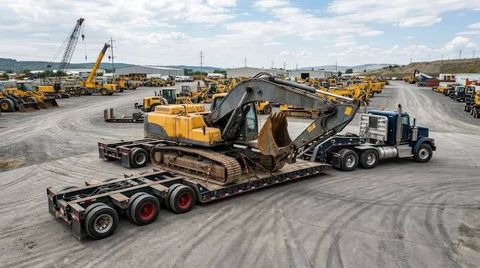
Excavators are among the most recognizable pieces of heavy equipment. They are commonly used for digging, trenching, demolition, and material handling.
Their rotating structure and hydraulic arm allow them to perform a wide range of tasks with precision.
2. Bulldozers
Bulldozers are powerful machines designed to push large amounts of soil, sand, or debris.
They are frequently used in:
- Construction projects
- Mining operations
- Land development
- Site preparation
Their strength makes them ideal for demanding earthmoving activities.
3. Wheel Loaders
Wheel loaders are used to transport materials across work sites.
They can efficiently move:
- Soil
- Gravel
- Sand
- Industrial materials
These machines are valued for their versatility and productivity.
4. Cranes
Cranes are designed to lift and position heavy loads. They are commonly seen in construction, infrastructure development, and industrial facilities.
Their ability to handle substantial weights makes them indispensable for large projects.
5. Dump Trucks
Dump trucks transport materials between locations efficiently.
They play a crucial role in industries where large quantities of material must be moved regularly.
Core Technologies Behind Modern Machinery
Heavy machinery has evolved significantly over the years. Modern equipment integrates advanced technologies that improve performance and operational control.
Hydraulic Systems
Hydraulic technology powers many heavy machines by converting fluid pressure into mechanical force.
This allows equipment to perform demanding tasks with remarkable efficiency.
Hydraulic systems are widely used in:
- Excavators
- Loaders
- Cranes
- Construction equipment
Their reliability makes them a foundation of modern machinery design.
Electronic Control Systems
Today's equipment uses electronic control systems to monitor and manage operations.
These systems help improve:
- Equipment accuracy
- Operational efficiency
- Safety performance
- Fuel management
Operators can access detailed information through digital displays and monitoring platforms.
GPS and Machine Guidance
GPS technology has transformed how heavy equipment operates on construction and industrial sites.
Machine guidance systems help improve precision during tasks such as grading, excavation, and site preparation.
As a result, projects can achieve greater accuracy while reducing material waste.
Telematics and Remote Monitoring
Modern machinery often includes telematics systems that collect and transmit operational data.
Managers can monitor:
- Equipment location
- Operating hours
- Maintenance status
- Performance metrics
This improves fleet management and helps optimize equipment utilization.
Heavy Machinery in Construction
Construction remains one of the largest users of heavy equipment.
Large projects require machines capable of handling earthmoving, lifting, demolition, and site preparation tasks efficiently.
Common Construction Applications
Heavy machinery supports:
- Road construction
- Bridge development
- Commercial buildings
- Residential projects
For example, excavators prepare foundations while cranes position structural components during construction.
The combination of multiple machines helps accelerate project completion and improve productivity.
Applications in Mining Operations
Mining environments present some of the most demanding operating conditions for heavy equipment.
Machines used in mining must withstand harsh conditions while maintaining reliable performance.
Typical mining equipment includes:
- Large excavators
- Haul trucks
- Drilling machines
- Loaders
These machines support extraction activities and material transportation throughout mining sites.
Because mining operations often run continuously, equipment durability is especially important.
Role in Manufacturing and Industrial Facilities
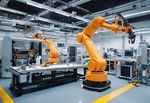
Heavy machinery is not limited to outdoor operations. Manufacturing plants also depend on specialized equipment to support production activities.
Industrial facilities use machinery for:
- Material handling
- Equipment installation
- Production support
- Warehouse operations
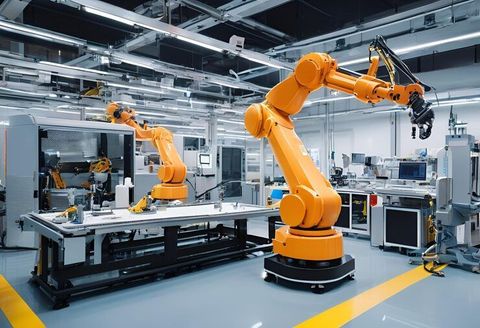
Large manufacturing environments often combine automated systems with heavy equipment to improve efficiency.
This integration helps streamline operations while maintaining productivity.
Logistics and Material Handling Applications
Warehouses, ports, and distribution centers use heavy machinery to move and organize materials efficiently.
Equipment such as forklifts, container handlers, and industrial loaders helps manage large volumes of goods.
These machines improve operational flow and reduce manual handling requirements.
As supply chains become more complex, efficient material handling equipment continues to grow in importance.
Benefits of Modern Heavy Duty Machinery
The widespread adoption of advanced machinery is driven by several significant advantages.
Improved Productivity
Heavy equipment can perform large-scale tasks much faster than manual methods.
This helps organizations complete projects more efficiently.
Enhanced Precision
Modern control systems improve operational accuracy, helping reduce errors and improve quality.
Better Resource Utilization
Advanced technologies help optimize equipment performance and reduce unnecessary downtime.
Increased Operational Safety
Modern machinery includes safety features designed to support safer working environments.
These systems help operators maintain better control during demanding tasks.
Challenges in Heavy Equipment Operations
Despite its many advantages, heavy machinery requires careful management and maintenance.
One challenge is ensuring equipment remains in peak operating condition. Regular inspections and maintenance programs are essential for long-term performance.
Another consideration is operator training. Advanced machinery includes sophisticated systems that require proper understanding and operation.
Organizations must also balance productivity requirements with equipment lifespan and operational efficiency.
Future Trends in Heavy Machinery
Technology continues to reshape the heavy equipment industry. Manufacturers are developing smarter, more efficient machines that improve performance while supporting sustainability goals.
Emerging Innovations
Several trends are influencing the future of heavy machinery:
- Intelligent automation systems
- AI-assisted equipment monitoring
- Advanced telematics platforms
- Connected machine networks
- Energy-efficient equipment designs
These developments are helping industries achieve greater efficiency and operational visibility.
As technology advances, machinery will become increasingly intelligent and capable of supporting more complex industrial operations.
Conclusion
Heavy duty machinery plays a vital role in modern industry by providing the power, precision, and reliability needed for large-scale operations. From construction and mining to manufacturing and logistics, these machines help organizations improve productivity and complete demanding tasks efficiently.
With the integration of advanced technologies such as hydraulics, GPS guidance, telematics, and automation, modern heavy equipment continues to evolve. As industries seek greater efficiency and smarter operations, heavy duty machinery will remain a cornerstone of industrial progress and economic development.