Granule Filling Machines Guide: Uses, Features & Trends
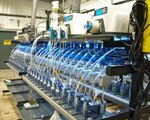
Granule filling machines are specialized equipment used in industrial packaging systems to measure and fill granular materials into containers. These materials can include grains, seeds, fertilizers, detergents, spices, and chemical granules. The purpose of these machines is to improve accuracy, speed, and consistency in packaging operations.
Traditionally, manual filling methods were widely used in small production setups. However, with the growth of industrial automation and large-scale manufacturing, the need for precise and faster filling systems became essential. Granule filling machines were developed to address this need by reducing human error and increasing production efficiency.
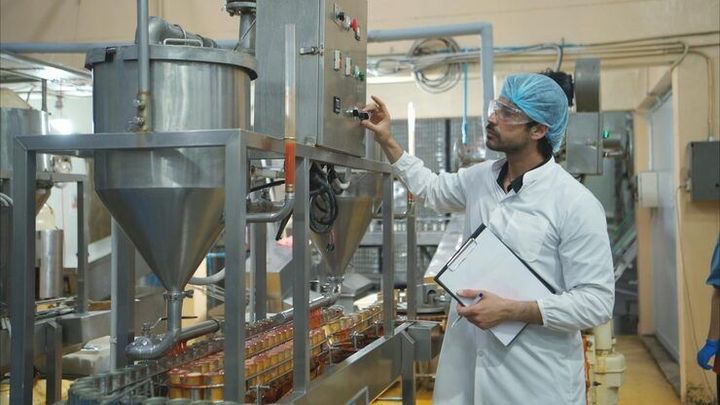
These machines are commonly integrated into production lines where packaging accuracy and speed are critical. They are designed using advanced process control systems that ensure uniform filling and reduced material wastage.
Importance
Granule filling machines play an important role in modern manufacturing and supply chain management systems. They support industries where bulk materials must be packaged with precision and consistency.
Key reasons why they matter today:
- Improve manufacturing optimization by reducing manual intervention
- Enhance production line efficiency and reduce downtime
- Support quality assurance through consistent filling weights
- Help maintain hygiene standards in food and chemical industries
- Reduce material wastage, improving resource management
These machines are widely used in industries such as agriculture, food processing, pharmaceuticals, chemicals, and construction materials. In many production facilities, automated filling systems are now a core part of industrial automation strategies.
They also help solve common challenges such as:
- Inconsistent packaging weight
- Slow manual processing
- Human measurement errors
- High labor dependency
- Inefficient workflow in high-volume production environments
Recent Updates
Over the past year, granule filling systems have seen improvements driven by digital manufacturing and smart factory technologies. Between 2025 and 2026, several trends have shaped their development:
- Increased integration of IoT monitoring systems for real-time performance tracking
- Adoption of AI-based process control for better filling accuracy
- Improved energy-efficient machine designs to support sustainable manufacturing
- Expansion of automated calibration systems for faster setup changes
- Enhanced sensor technology for detecting granule flow consistency
A noticeable trend in 2025 was the shift toward connected production lines where filling machines communicate with other packaging equipment. This allows better synchronization and reduces production delays.
Another development is the growing focus on sustainability. Manufacturers are designing machines that minimize energy usage and support eco-friendly production goals. These changes align with global efforts to improve industrial efficiency and reduce environmental impact.
Laws or Policies
Granule filling machines are influenced by industrial safety standards and manufacturing regulations. These rules vary by country but generally focus on workplace safety, product quality, and environmental protection.
In many regions, including India, manufacturing equipment must comply with:
- Industrial safety regulations under factory compliance frameworks
- Food safety and packaging standards for consumable products
- Environmental protection guidelines for chemical handling
- Calibration and measurement accuracy standards for packaged goods
Regulatory bodies also emphasize proper machine maintenance and operator safety training. Machines used in food and pharmaceutical industries must follow strict hygiene and contamination prevention rules.
Government programs promoting industrial automation and smart manufacturing indirectly support the adoption of such systems. These initiatives encourage industries to upgrade traditional equipment to more efficient and digitally controlled systems.
Tools and Resources
Several general tools and resources help industries manage granule filling systems more effectively:
- Process monitoring dashboards for tracking production efficiency
- Industrial IoT platforms for machine data analysis
- Calibration tools for maintaining measurement accuracy
- Maintenance scheduling systems for reducing downtime
- Production planning software for workflow optimization
- Quality control checklists for packaging standards
- Energy consumption tracking systems for efficiency monitoring
These tools are commonly used in manufacturing environments to support automation, improve decision-making, and maintain consistent output quality.
Comparative Overview of Filling Methods
| Method Type | Accuracy Level | Speed | Labor Requirement | Automation Level |
|---|---|---|---|---|
| Manual Filling | Low | Slow | High | Low |
| Semi-Automatic System | Medium | Moderate | Medium | Medium |
| Fully Automatic System | High | Fast | Low | High |
This comparison shows how automation improves both productivity and consistency in industrial filling operations.
FAQs
What is a granule filling machine used for?
It is used to measure and fill granular materials into containers with accuracy and speed in industrial production systems.
Which industries use granule filling machines?
Industries such as agriculture, food processing, pharmaceuticals, chemicals, and construction materials commonly use these machines.
How do granule filling machines improve efficiency?
They reduce manual labor, improve filling accuracy, and increase production speed, leading to better manufacturing efficiency.
What factors affect machine performance?
Material type, granule size, humidity levels, calibration accuracy, and maintenance frequency can all influence performance.
Are these machines part of modern automation systems?
Yes, many modern systems are integrated with industrial automation, IoT monitoring, and process control technologies.
Conclusion
Granule filling machines are an important part of modern industrial packaging systems. They support accurate, fast, and consistent filling of granular materials across multiple industries. As manufacturing continues to evolve, these machines are becoming more advanced through automation, digital monitoring, and energy-efficient designs.