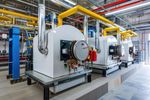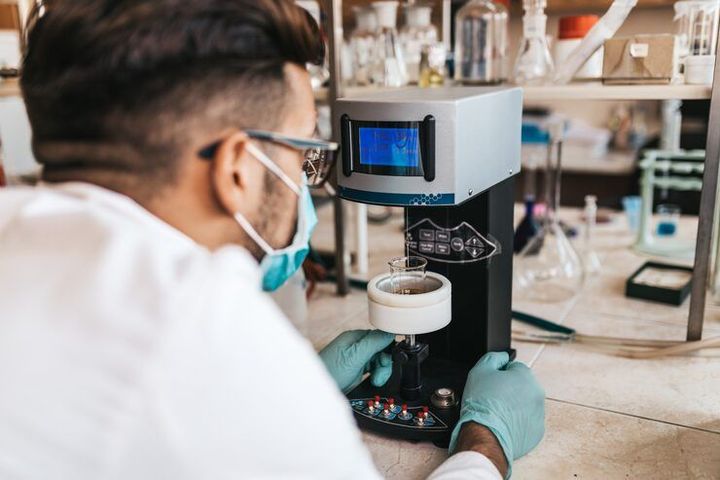
Explore Powder Machine Guide With Manufacturing Insights And Details
Powder machines are specialized industrial systems used to process, manufacture, grind, mix, classify, package, and handle powdered materials across a wide range of industries. These machines play an important role in sectors such as food processing, pharmaceuticals, chemicals, cosmetics, construction materials, metallurgy, and advanced manufacturing. Depending on the application, powder machines may be designed to reduce particle size, improve material consistency, blend ingredients, separate particles, or prepare powdered products for packaging and distribution. Their ability to produce uniform and controlled powder materials makes them essential to modern industrial operations.
This comparison matters globally because powdered materials are widely used in manufacturing, healthcare, food production, agriculture, and technology industries. According to global manufacturing research, demand for precise material processing continues increasing as industries seek higher product quality, operational efficiency, and production consistency. Powder processing equipment has evolved significantly through automation, digital monitoring systems, and advanced material handling technologies. As industries expand their focus on productivity and quality control, understanding powder machine technologies has become increasingly important for manufacturers and production planners worldwide.
The real-world impact of powder machines extends beyond industrial production facilities. Powder processing systems influence product quality, safety, manufacturing efficiency, and resource utilization across many sectors. Poorly selected equipment may lead to inconsistent particle sizes, material waste, production delays, or quality concerns, while properly designed powder machines may improve efficiency, consistency, and operational reliability. Understanding how different powder machine systems compare helps businesses make informed manufacturing decisions, which naturally leads into who these technologies affect and the operational challenges they help solve.
Who It Affects & Problems It Solves
Powder machines affect manufacturers, production engineers, quality control specialists, industrial planners, research facilities, and processing companies globally. Food manufacturers use powder equipment to process ingredients such as spices, milk powders, and nutritional supplements. Pharmaceutical companies rely on powder machines to prepare active ingredients and formulation materials. Chemical manufacturers use grinding, mixing, and classification systems to create industrial powders used in coatings, plastics, and specialty materials. Construction material producers, cosmetic manufacturers, and metallurgy facilities also depend heavily on powder processing technologies.
Without reliable powder processing equipment, many industries would struggle to achieve consistent product quality and efficient production workflows. Powder machines help solve challenges related to particle size control, ingredient blending, material handling, and process standardization. Some systems prioritize ultra-fine grinding capabilities, while others focus on high-capacity mixing, automated packaging, or dust control. These specialized functions support safer and more efficient manufacturing operations across many industrial sectors.
A common mistake organizations make is selecting powder equipment based solely on production volume without considering material properties and operational requirements. Different powders behave differently during grinding, mixing, storage, and transportation. Another issue involves underestimating maintenance requirements and dust management systems within powder processing environments. As manufacturing technologies continue advancing, producers are increasingly investing in automation, precision controls, and energy-efficient processing systems, which connects naturally to recent developments shaping powder machine technology worldwide.
Recent Updates
Over the past year, industrial powder processing industries have increased focus on automation and smart manufacturing technologies. Advanced sensors, machine learning systems, and digital monitoring platforms are becoming more common within powder production facilities because manufacturers seek higher efficiency and improved quality control. Smart systems can now help monitor particle consistency, production performance, and maintenance needs in real time.
In early 2025, energy-efficient grinding and processing technologies received greater attention across manufacturing sectors. Equipment designers are increasingly developing machines that reduce energy consumption while maintaining production quality and output capacity. Sustainability objectives are encouraging industries to optimize production efficiency and minimize material waste throughout powder manufacturing processes.
Another important development involves improved dust management and workplace safety systems. Powder processing environments often require careful control of airborne particles to protect product quality and maintain safe working conditions. Modern equipment increasingly incorporates advanced filtration systems, enclosed processing chambers, and automated material handling solutions designed to reduce contamination risks and improve operational safety.
At the same time, customization and flexible production capabilities are becoming more important. Manufacturers increasingly require equipment capable of processing multiple material types and supporting rapid production adjustments. These developments make it easier to compare different powder machine technologies and understand how modern systems support efficiency, quality control, and industrial flexibility.
Comparison Table
The table below compares common powder machine categories and their operational characteristics. These comparison factors matter globally because different industries require different balances of precision, production speed, material compatibility, and automation.
| Machine Type | Main Function | Key Advantage | Limitation | Typical Industry Use |
|---|---|---|---|---|
| Pulverizer Machine | Particle size reduction | High grinding efficiency | Heat generation possible | Chemicals and food |
| Ball Mill | Fine powder production | Uniform particle processing | Slower operation | Minerals and materials |
| Ribbon Blender | Powder mixing | Consistent blending | Space requirements | Food and pharmaceuticals |
| V-Blender | Gentle mixing | Reduced material damage | Lower capacity | Specialty products |
| Air Classifier | Particle separation | Precision classification | Complex setup | Fine powder processing |
| Spray Dryer | Powder creation from liquids | Consistent particle formation | Higher investment | Food and chemicals |
| Powder Filling Machine | Packaging operations | Automated filling accuracy | Product-specific setup | Consumer products |
| Hammer Mill | Material crushing | High throughput | Noise generation | Agriculture and feed |
| Jet Mill | Ultra-fine grinding | Extremely fine particles | High energy demand | Advanced materials |
| Vacuum Conveyor | Material transport | Reduced contamination | System complexity | Pharmaceutical production |
The comparison table demonstrates that powder machines are designed to address different manufacturing objectives. Some prioritize grinding precision, while others focus on mixing efficiency, automated packaging, or material transportation. Understanding these distinctions creates an important transition into regulations and practical manufacturing guidance.
Regulations & Practical Guidance
In most countries, powder processing equipment operates under broader industrial safety, manufacturing quality, and workplace protection standards. Regulatory authorities globally generally require manufacturers to follow guidelines related to equipment safety, contamination control, worker protection, and operational reliability. Industries such as pharmaceuticals, food processing, and specialty chemicals often operate under stricter quality assurance requirements because powder consistency directly influences product performance and safety.
International manufacturing standards commonly require facilities to implement maintenance procedures, dust control systems, and quality monitoring processes. Most jurisdictions have requirements concerning equipment operation, workplace ventilation, and material handling practices to reduce operational risks. Proper documentation and process validation are also important because consistent production outcomes depend on reliable equipment performance.
Another important practical consideration involves matching machine capabilities to material characteristics and production goals. Manufacturing specialists globally emphasize evaluating particle size requirements, production volume targets, cleaning procedures, and automation needs before selecting equipment. Long-term maintenance planning and operator training also play important roles in achieving reliable and efficient powder processing operations.
Which Option Suits Your Situation?
A manufacturer focused on large-scale grinding operations may benefit from pulverizers, hammer mills, or ball mills designed for high-volume particle reduction and material processing. These systems are commonly used where production capacity is a primary consideration.
An organization requiring precise ingredient blending may prefer ribbon blenders or V-blenders capable of producing consistent mixtures while maintaining material integrity. These machines are often selected for food, pharmaceutical, and specialty product manufacturing.
A business producing fine powders or advanced materials may require air classifiers or jet mills designed for precision particle control and ultra-fine processing. These technologies are commonly associated with high-performance manufacturing applications.
A facility prioritizing automation and contamination control may benefit from integrated powder filling systems and vacuum conveying technologies designed to improve production efficiency and material handling reliability. These operational considerations naturally connect to the tools and resources available for powder processing planning and manufacturing optimization.
Tools & Resources
Several globally accessible resources can help manufacturers and engineers better understand powder processing technologies and production optimization strategies.
Engineering Toolbox — Provides technical references related to material handling, particle processing, and industrial engineering principles.
Manufacturing Automation Resources — Offer educational content on automation systems, smart factories, and production efficiency improvements.
Industrial Safety Publications — Explain workplace protection practices, dust management strategies, and operational safety procedures.
Material Science Databases — Help users evaluate powder characteristics, material properties, and processing requirements.
CAD Design Software — Supports equipment layout planning, process visualization, and manufacturing system design.
Quality Control Resources — Provide guidance related to process monitoring, consistency measurement, and operational validation.
Industrial Maintenance Platforms — Assist with preventive maintenance scheduling, equipment monitoring, and operational reliability management.
These resources support informed manufacturing decisions and stronger production planning, which naturally leads into the most common questions people ask about powder machines and industrial processing systems.
Frequently Asked Questions
What is a powder machine?
A powder machine is industrial equipment designed to process, grind, mix, classify, transport, or package powdered materials. These systems are widely used in manufacturing sectors such as food processing, pharmaceuticals, chemicals, cosmetics, and materials production where consistent powder quality is important.
Who uses powder processing equipment?
Manufacturers, production facilities, research laboratories, pharmaceutical companies, food processors, chemical producers, and construction material suppliers commonly use powder processing equipment. These machines help improve efficiency, consistency, and product quality across many industrial operations.
Are powder processing systems regulated internationally?
In many regions globally, powder processing equipment operates under manufacturing safety, workplace protection, and quality assurance standards. Facilities are generally expected to follow guidelines related to equipment operation, contamination control, maintenance procedures, and worker safety depending on the materials being processed.
Are all powder machines designed for the same purpose?
A common misconception is that all powder machines perform identical functions. In reality, different systems are optimized for specific tasks such as grinding, mixing, classification, packaging, or transportation. Selecting the correct equipment depends on material characteristics, production goals, and operational requirements.
When should a company upgrade powder processing equipment?
Organizations may consider upgrading equipment when existing systems become inefficient, difficult to maintain, unable to meet quality requirements, or incompatible with modern automation technologies. Upgraded equipment may improve productivity, energy efficiency, operational reliability, and product consistency.
Conclusion
Powder machines remain essential components of modern manufacturing because they support material processing, quality control, and production efficiency across a wide range of industries. The most important takeaway is that different powder processing systems are designed for different operational priorities, including grinding precision, mixing consistency, particle classification, and automated handling. Proper equipment selection helps improve manufacturing performance and product quality.
For most organizations, the best approach involves evaluating material characteristics, production objectives, automation requirements, and long-term maintenance considerations before selecting powder processing equipment. Manufacturers that prioritize operational efficiency, quality control, and equipment reliability generally position themselves more effectively for sustainable industrial growth.
As manufacturing technologies continue evolving globally, future powder processing systems will likely become even more automated, energy-efficient, and integrated with advanced monitoring technologies designed to support smarter and more flexible production environments.