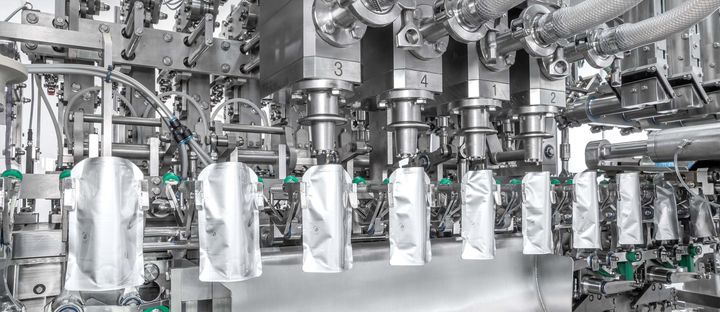
Explore Pouch Sealing Machines: Complete Guide, Tips, Insights, Facts, Knowledge, and Helpful Resources
Pouch sealing machines play an important role in modern packaging processes. They are designed to create secure seals on flexible pouches and packaging materials used across many industries. From food products and pharmaceuticals to consumer goods and industrial materials, sealed pouches help protect contents from contamination, moisture, air exposure, and physical damage.
As packaging technologies continue to evolve, pouch sealing machines have become increasingly sophisticated. Advances in automation, monitoring systems, and energy efficiency have improved reliability and consistency while supporting growing packaging demands. Understanding how these machines work and where they are used can help businesses, students, researchers, and industry professionals better understand today's packaging environment.
Context: What Are Pouch Sealing Machines and Why Do They Exist?
A pouch sealing machine is equipment used to close and seal flexible packaging materials. The primary purpose is to create an airtight or secure seal that protects products throughout storage, transportation, and handling.
Packaging has always been important for product preservation. Historically, manufacturers relied on containers made from glass, metal, and paper. As flexible packaging materials became more widely available, pouch-based packaging emerged as an efficient and practical solution.
Common sealing technologies include:
- Heat sealing
- Impulse sealing
- Continuous band sealing
- Vacuum sealing
- Ultrasonic sealing
These technologies help ensure product integrity while supporting packaging consistency.
The following table summarizes common pouch sealing technologies.
| Sealing Method | Typical Application | Key Characteristic |
|---|---|---|
| Heat Sealing | Food packaging | Uses heated surfaces |
| Impulse Sealing | Small batch packaging | Heat generated only during sealing |
| Continuous Band Sealing | High-volume operations | Continuous movement of pouches |
| Vacuum Sealing | Product preservation | Removes air before sealing |
| Ultrasonic Sealing | Specialized materials | Uses ultrasonic vibrations |
Today, pouch sealing systems are integrated into broader packaging automation environments, supporting industries that require high levels of packaging quality and product protection.
Importance: Why Pouch Sealing Machines Matter Today
The importance of pouch sealing machines has increased as global supply chains and consumer expectations have evolved.
Products often travel long distances before reaching end users. Effective sealing helps maintain product quality and reduces the likelihood of contamination or spoilage.
Several groups benefit from pouch sealing technology:
- Food manufacturers
- Pharmaceutical producers
- Consumer goods companies
- Agricultural product processors
- Research laboratories
- Packaging engineers
Key challenges addressed by pouch sealing machines include:
- Product contamination prevention
- Moisture protection
- Extended shelf stability
- Packaging consistency
- Traceability support
- Waste reduction
The growth of flexible packaging has also contributed to the increasing use of sealing systems. Many organizations prefer flexible packaging because it can reduce material usage compared with certain rigid packaging formats.
Packaging Industry Trends
The chart below illustrates general industry priorities influencing pouch sealing technology.
| Industry Priority | Influence Level |
| Product Protection | Very High |
| Packaging Automation | Very High |
| Sustainability Goals | High |
| Traceability Requirements | High |
| Energy Efficiency | Moderate to High |
| Digital Monitoring | Growing |
These priorities continue to shape machine development and packaging practices worldwide.
Recent Updates and Industry Developments
The packaging sector has experienced several notable developments during 2025 and early 2026.
One significant trend has been the increased adoption of smart packaging equipment. Many modern sealing systems now incorporate sensors that monitor temperature, pressure, and seal consistency in real time.
Another important development involves sustainability initiatives. Throughout 2025, packaging manufacturers expanded efforts to improve compatibility with recyclable and mono-material flexible packaging structures. These materials can present unique sealing challenges, leading equipment developers to enhance sealing precision and control.
Digitalization has also continued to influence packaging operations. During 2025 and 2026, more facilities implemented data collection systems that support predictive maintenance and operational monitoring.
Additional trends include:
- Greater use of automated packaging lines
- Improved energy-efficient sealing technologies
- Enhanced quality inspection systems
- Integration of machine learning for process optimization
- Increased demand for tamper-evident packaging solutions
Industry reports published throughout 2025 indicated ongoing investment in packaging automation as organizations seek greater consistency and operational efficiency.
Laws and Policies Affecting Pouch Sealing Machines
Pouch sealing machines are influenced by various regulations and compliance requirements. While specific rules differ by country, several common areas of regulation affect packaging operations.
Food Safety Regulations
Food packaging systems often must comply with food safety requirements that govern packaging materials, hygiene practices, and contamination prevention measures.
Examples include regulations related to:
- Food-contact materials
- Packaging sanitation
- Hazard analysis systems
- Manufacturing controls
Pharmaceutical Packaging Standards
Pharmaceutical products generally require strict packaging controls. Regulatory authorities often establish standards related to:
- Product integrity
- Tamper evidence
- Traceability
- Validation procedures
Environmental Policies
Many governments have introduced packaging sustainability initiatives that encourage:
- Recyclable materials
- Reduced packaging waste
- Resource efficiency
- Circular economy practices
Workplace Safety Requirements
Packaging facilities frequently operate under occupational safety regulations covering:
- Machine guarding
- Employee training
- Equipment maintenance
- Hazard prevention procedures
Organizations using pouch sealing equipment typically maintain documented procedures to support compliance with applicable regulations.
Tools and Resources
Numerous tools and resources can help individuals understand, evaluate, and manage pouch sealing processes.
Packaging Design Software
Useful software categories include:
- Packaging design platforms
- CAD applications
- Material specification systems
- Production planning tools
Seal Integrity Testing Resources
Common testing resources include:
- Burst testing methods
- Peel strength analysis
- Leak detection systems
- Seal inspection equipment
Industry Information Sources
Helpful information resources often include:
- Packaging industry associations
- Technical publications
- Engineering journals
- Regulatory guidance documents
- Standards organizations
Process Monitoring Technologies
Modern packaging facilities frequently use:
- Temperature monitoring systems
- Data logging tools
- Predictive maintenance platforms
- Quality assurance software
- Production analytics dashboards
Educational Resources
Individuals interested in packaging technology may benefit from:
- Technical webinars
- Industry conferences
- Academic publications
- Engineering training materials
- Packaging technology certification programs
Frequently Asked Questions
What is the primary function of a pouch sealing machine?
A pouch sealing machine creates secure seals on flexible packaging materials. The seal helps protect products from environmental exposure, contamination, and physical damage during storage and transportation.
Which industries commonly use pouch sealing machines?
Many industries use pouch sealing equipment, including food processing, pharmaceuticals, cosmetics, agriculture, chemicals, consumer goods, and laboratory operations.
What is the difference between heat sealing and vacuum sealing?
Heat sealing joins packaging materials using controlled heat and pressure. Vacuum sealing removes air from the package before sealing, helping improve product preservation and protection.
Why is seal integrity important?
Seal integrity helps ensure that packaging remains secure throughout distribution and storage. A strong seal supports product quality, safety, and regulatory compliance requirements.
How are modern pouch sealing machines becoming more advanced?
Recent developments include sensor-based monitoring, automated quality inspection, predictive maintenance systems, digital controls, and compatibility with newer sustainable packaging materials.
Key Facts About Pouch Sealing Machines
| Fact | Explanation |
| Flexible Packaging Growth | Increased demand has expanded pouch sealing applications |
| Automation Expansion | More packaging facilities use automated sealing systems |
| Sustainability Focus | Equipment is adapting to recyclable packaging materials |
| Digital Monitoring | Real-time process monitoring is becoming more common |
| Quality Requirements | Strong seals support product protection and compliance |
Conclusion
Pouch sealing machines are a critical component of modern packaging systems. They help protect products, support quality standards, and enable efficient packaging operations across a wide range of industries. As packaging requirements continue to evolve, advancements in automation, sustainability, and digital monitoring are shaping the future of sealing technology.
Understanding the purpose, importance, regulations, and available resources related to pouch sealing machines provides valuable insight into how modern packaging systems operate. Whether viewed from an engineering, manufacturing, educational, or regulatory perspective, pouch sealing technology remains an essential element of contemporary packaging practices.