Explore Industrial Wafer Production Using Advanced Food Manufacturing Technology
Industrial wafer manufacturing is an important part of modern food production. It combines baking technology, ingredient preparation, automated handling, and packaging processes to create thin, crisp wafer sheets and finished wafer products.
A wafer production line typically uses specialized machinery to prepare batter, bake thin sheets, apply fillings, assemble layers, and package the final products. These operations may take place within a single production facility or across connected manufacturing sections.
Industrial food manufacturing has gradually adopted more automated systems to improve process control and reduce repetitive manual activities. Understanding these technologies helps explain how wafer products move from basic ingredients to packaged food.
Importance of Industrial Wafer Production
Consistency in Food Manufacturing
Consistency is an important objective in commercial wafer production. Consumers generally expect wafers to have similar thickness, texture, appearance, and filling distribution in each package.
A commercial wafer making machine helps control important baking conditions, including temperature, baking duration, and sheet formation. Properly coordinated equipment can reduce variations between production batches.
Efficient Production Processes
A commercial food production line connects different manufacturing stages. Instead of handling every operation separately, factories can coordinate ingredient preparation, baking, cooling, filling, and packaging.
This arrangement can support continuous production when equipment capacity and operating conditions are properly matched. It also helps manufacturers identify delays or interruptions within the process.
Better Use of Manufacturing Resources
Food production equipment can help organize the use of ingredients, energy, labor, and factory space. Automated handling systems may reduce unnecessary movement of materials between production areas.
However, efficiency depends on suitable equipment selection, regular maintenance, trained operators, and effective production planning.
Recent Updates in Wafer Manufacturing Technology
Automation and Digital Monitoring
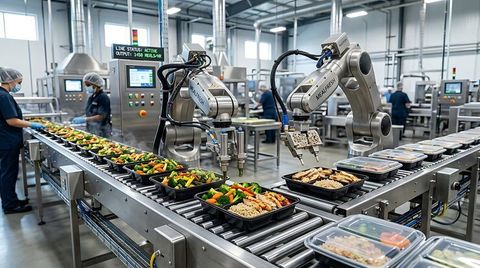
Food factory automation is increasingly associated with sensors, programmable controls, and digital monitoring systems. These technologies allow operators to observe production conditions and adjust selected machine settings.
Automated food processing systems can monitor variables such as baking temperature, conveyor speed, and product movement. Digital records may also help maintenance teams identify recurring equipment problems.
Modern Industrial Baking Equipment
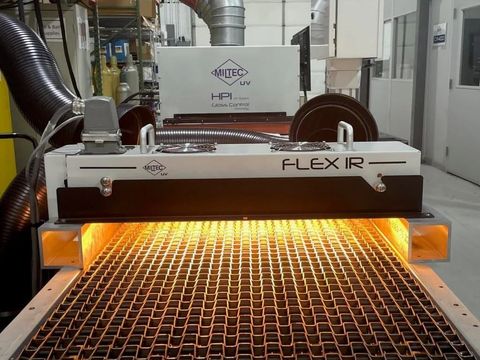
Industrial baking equipment is designed to provide controlled heating across wafer baking surfaces. Depending on the machine design, heating may involve electrical systems, gas-based systems, or other approved industrial arrangements.
Modern equipment may include temperature controls, automated batter distribution, and conveyor-based baking mechanisms. These features help maintain repeatable operating conditions during production.
Packaging and Product Protection
A wafer packaging machine performs an important role after manufacturing. It can wrap individual products, group multiple wafers, or prepare packages for storage and transportation.
Packaging systems may include sealing, counting, labeling, and inspection functions. Suitable packaging helps protect wafers from moisture, physical damage, and contamination during distribution.
Main Stages of Industrial Wafer Production
Ingredient Preparation
The process begins with preparing ingredients according to a suitable recipe. Common ingredients may include flour, water, sugar, fats, and other food ingredients selected for the product.
Mixing equipment combines ingredients into a batter with the required consistency. Accurate preparation supports even distribution during baking.
Wafer Sheet Baking
The prepared batter enters an industrial wafer baking machine. The machine distributes batter across heated plates or baking surfaces to form thin wafer sheets.
Controlled temperature and baking time influence the final structure, color, and crispness. Operators monitor the process to maintain suitable product characteristics.
Cooling and Filling
After baking, wafer sheets are cooled before further handling. Cooling helps the sheets become easier to assemble and reduces problems caused by excessive heat.
A filling application system may distribute cream or another suitable filling between wafer layers. The assembled structure is then pressed or aligned according to the product design.
Cutting and Packaging
The assembled wafer blocks are cut into the required shapes and sizes. Cutting equipment must handle delicate products carefully to limit breakage.
Finished wafers are transferred to packaging machinery. Inspection and packaging checks help confirm that products meet the factory's established requirements.
Food Processing Plant Equipment Overview
Different machines perform specific functions within a wafer manufacturing facility.
| Equipment | Main Function |
|---|---|
| Batter mixer | Combines ingredients into a uniform mixture |
| Batter dosing system | Controls batter distribution |
| Wafer baking machine | Bakes thin wafer sheets |
| Cooling conveyor | Allows baked sheets to cool |
| Filling applicator | Distributes filling between layers |
| Cutting machine | Divides assembled wafers into portions |
| Wafer packaging machine | Wraps and protects finished products |
The capacity of each machine should match the surrounding equipment. A packaging system that operates more slowly than the baking section, for example, may create a production bottleneck.
Laws, Policies, and Food Safety
Hygiene and Sanitation
Food processing equipment must be designed, operated, and maintained with appropriate hygiene practices. Manufacturing facilities generally establish cleaning schedules, sanitation procedures, and contamination prevention measures.
Equipment surfaces that contact food should be suitable for their intended use and maintained in a clean condition. Operators also require appropriate training in hygiene and safe handling practices.
Manufacturing Regulations
Food factories must follow the food safety and manufacturing requirements applicable in their operating country. These may cover ingredient handling, labeling, sanitation, traceability, workplace safety, and equipment operation.
In India, food businesses should consult the applicable Food Safety and Standards Authority of India requirements. Regulations may differ according to the product, facility, and manufacturing activity.
Tools and Resources
Production Planning Tools
Manufacturers may use production planning software to organize ingredient requirements, machine schedules, and packaging activities. Digital records can help track production quantities and equipment performance.
Maintenance Resources
Maintenance checklists, machine manuals, inspection schedules, and operator training materials support equipment reliability. Regular inspections can identify worn components or operating problems before they interrupt production.
Frequently Asked Questions
What is industrial wafer manufacturing?
Industrial wafer manufacturing is the process of producing wafer sheets and finished wafer products using specialized food manufacturing machinery.
Which equipment is used in a wafer production line?
A typical line includes batter mixers, baking machines, cooling conveyors, filling systems, cutting equipment, and packaging machines.
How does automation support wafer production?
Automation coordinates machine operations, monitors selected production conditions, and reduces repetitive manual handling.
Why is industrial baking equipment important?
Industrial baking equipment provides controlled heating that helps produce wafer sheets with consistent thickness and texture.
What affects wafer production quality?
Ingredient consistency, baking conditions, cooling, filling distribution, equipment maintenance, and packaging all influence finished product quality.
Conclusion
Industrial wafer manufacturing combines food processing equipment, industrial baking technology, automated handling, and packaging systems into a coordinated production process. Each stage contributes to the appearance, texture, safety, and consistency of the finished product.